Most people go to a spa because they want to switch off for a while. Not thinking. Not scrolling. Just breathing. And somewhere in the middle of all that quiet, sound therapy slips in and does its thing, sometimes without you even noticing.
You may already hear soft music during a session with an expert massage therapist, but sound therapy is more intentional than that. It uses tones, vibrations, and simple rhythms to help your body settle down. It is subtle. Yet it can change the whole feel of the room.
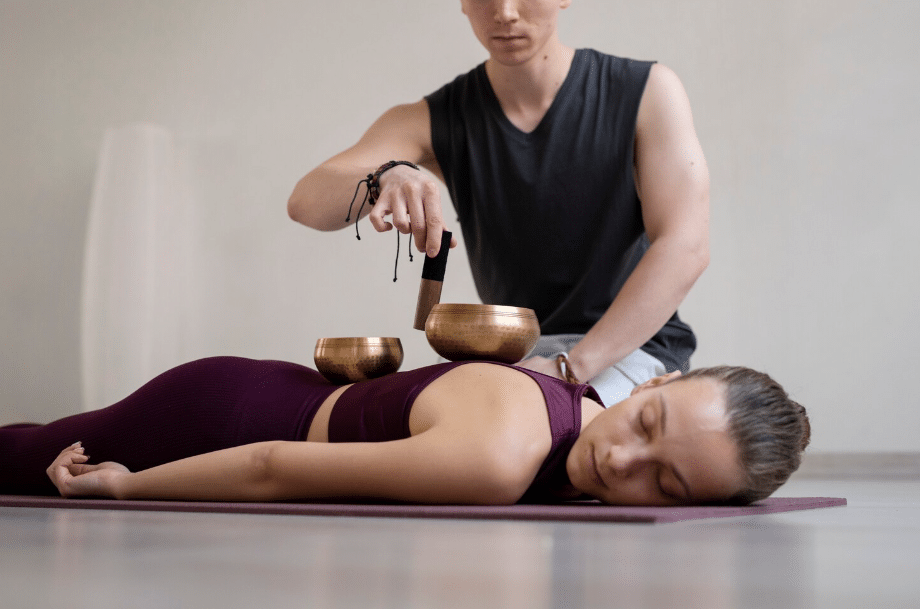
Sound therapy in a spa is not loud or dramatic. It is usually soft tones, maybe nature sounds, sometimes bowls or gentle instruments that hum in the background. The idea is to create an atmosphere where your mind does not feel the need to stay alert.
When you sit or lie there, those sounds wrap around you. You might notice your breathing slows down without trying. Your shoulders drop a little. It is small, but you feel it.
Sound is vibration, and vibration travels through the body. That might sound technical, but in practice, it just feels calming. The low tones especially settle the nervous system, almost like a steady rhythm you can lean into.
Sometimes people say they feel lighter afterward. Not in a dramatic way, just less tense. The mind gets quieter, and the body follows. It is simple, really, but it works.
In a spa setting, sound therapy adds another layer to relaxation. The room already feels peaceful, and then the sounds deepen that feeling. It becomes easier to let go of the day, even if you walked in feeling wound up.
Stress tends to ease off. Your thoughts slow down. You may even notice that treatments feel more effective because you are not resisting or overthinking. You are just there, present, which does not always happen easily.
Soundscapes are basically curated background sounds, but that word makes it sound fancier than it is. It could be ocean waves, soft rainfall, or gentle instrumental music. The goal is to create a steady, predictable atmosphere.
Predictability helps the brain relax. When nothing sudden interrupts the space, your body does not feel the need to stay on guard. Over time, you associate those sounds with calm, so the relaxation comes a bit faster each visit.
Adding sound therapy to a spa session can shift the whole experience. It feels more immersive, like you are stepping into a different pace of life for an hour or two. That shift alone can be refreshing.
People often leave feeling clearer mentally. Not because something dramatic happened, but because they had space to rest their mind. The combination of touch, quiet, and steady sound creates a balance that lingers.
If you want to get the most out of it, try to focus gently on the sound instead of letting your mind wander too far. You do not have to force anything. Just notice the tones and how they feel.
It also helps to arrive a little early and settle in. Give yourself a few minutes before the session starts. That way, when the sounds begin, you are ready to relax instead of still mentally running through your to-do list.
Related Topics: