
Waking up tired is not always a sleep problem. Many people who log adequate hours still wake up stiff, heavy, and slow to function. The issue is often in the tissue, not the clock. Chronic muscle tension restricts circulation, disrupts recovery during sleep, and keeps the nervous system in a low-grade stress state that prevents truly restorative rest. For residents dealing with this pattern, efficient massage in American Fork has proven to be one of the more practical ways to break that cycle.
Massage addresses several of the physical mechanisms that drive poor morning energy, and the effects compound with regular treatment.
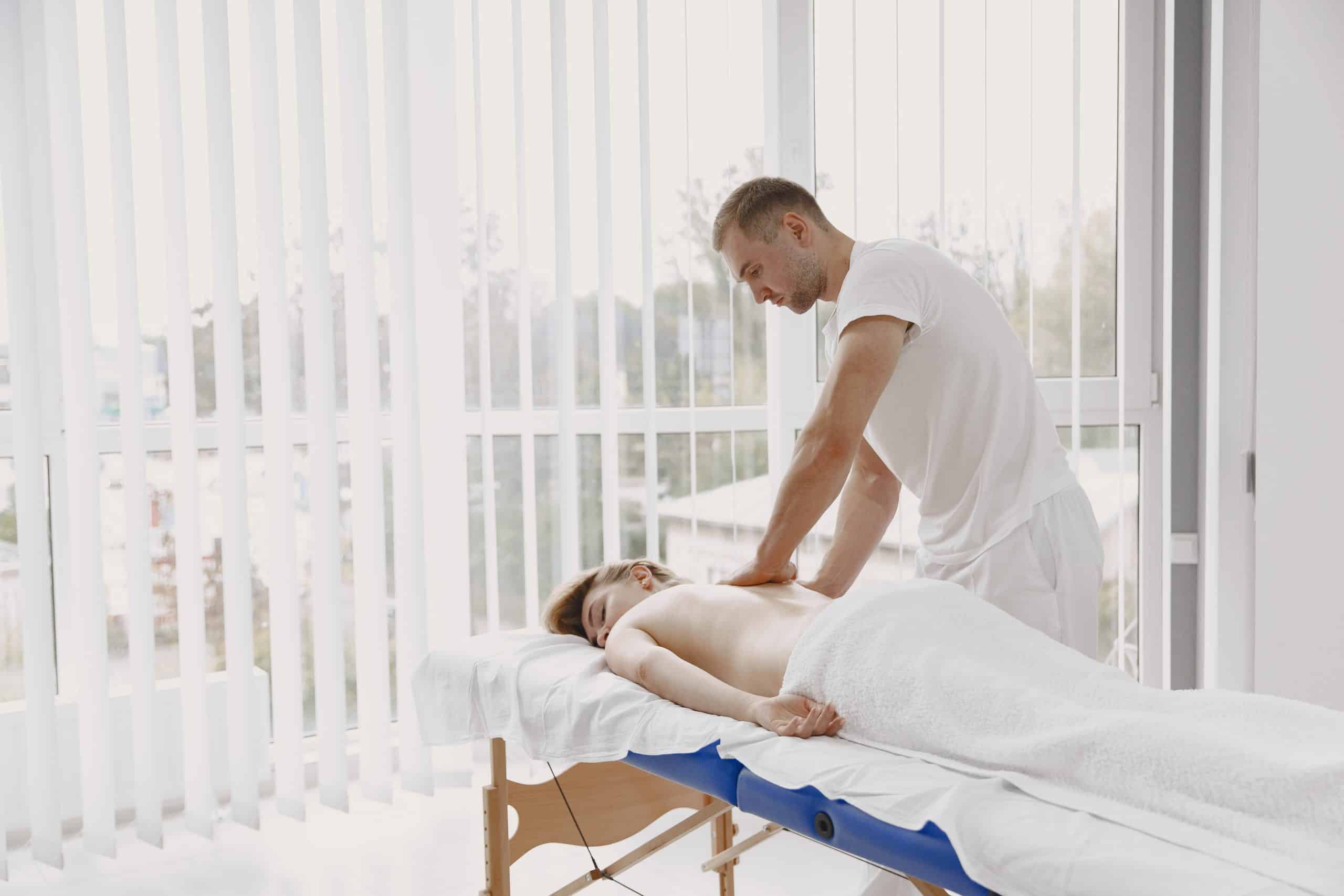
The body continues processing physical tension during sleep. Muscles that are chronically tight require ongoing neural activity to maintain that tension, which means the nervous system never fully powers down even when you are unconscious.
This is why people with significant upper back, neck, or shoulder tension frequently wake up feeling like they did not rest. The muscles were not at rest during the night. They were contracted, and the brain was managing that contraction throughout the hours you spent in bed.
Therapeutic massage reduces resting muscle tension, which allows the nervous system to actually recover during sleep rather than maintaining a holding pattern. Clients who begin regular massage frequently report improved sleep quality within a few sessions, before they notice any other changes.
Morning stiffness, the groggy, locked-up feeling in the first 30 to 60 minutes after waking, is largely a circulation problem. Fluid pools in the joints and surrounding tissue during rest, and restricted circulation means it takes longer for normal movement to clear that pooling and restore function.
Deep tissue massage and sports massage improve tissue circulation and reduce the fascial restriction that slows fluid exchange. Clients who get regular massage consistently report that the morning stiffness window shortens over time. Mornings get easier as a secondary benefit of treating the tissue.
Specialty modalities like cupping are particularly effective here. Cupping uses suction to increase blood flow in deeper tissue layers and release adhesions that restrict fluid movement. For clients with chronic stiffness in specific areas, adding cupping to a session often produces faster and more lasting improvement than massage alone.
The autonomic nervous system controls the balance between alertness and rest. When chronic stress keeps the body in a low-level sympathetic state, the transition from sleep to wakefulness is sluggish because the system never fully made the transition to rest the night before.
Float therapy is one of the most direct interventions for this pattern. Floating in our open pool removes virtually all sensory input, which gives the nervous system a true reset rather than a partial one. Cortisol levels drop measurably. The brain shifts into a theta wave state associated with deep rest and creativity. Most clients report that sleep quality in the nights following a float is noticeably better, and the improvement in morning alertness follows naturally.
For clients who combine regular massage with periodic float sessions, the improvement in morning energy tends to be the change they notice most clearly, even when they originally came in for pain or tension.
Magnesium plays a direct role in both muscle relaxation and sleep regulation. It supports the production of GABA, a neurotransmitter that promotes calm and sleep onset, and it is involved in numerous enzymatic processes that affect energy metabolism.
Many adults are low in magnesium, particularly those who exercise regularly or carry significant stress. The magnesium upgrade available at our clinic adds transdermal magnesium to your session, absorbed through the skin during treatment. Paired with a relaxation or therapeutic massage, it supports both the physical recovery of the tissue and the neurological conditions that make sleep more restorative.
This upgrade is $10, or included free at every session for members.
The improvements in morning energy from massage are not typically dramatic after a single session, though some clients do notice an immediate shift in sleep quality. The stronger effect comes from consistency.
Monthly massage as part of a regular wellness routine is enough for many clients to sustain improved sleep and morning function. For clients dealing with more significant chronic tension or stress, biweekly sessions in the early period of treatment, transitioning to monthly maintenance, tends to produce the most lasting change.
Our membership is designed for this pattern: $10 per month, no contract, 40% off every massage session and 50% off every float session. For clients who want to treat energy and sleep quality as a health priority rather than an occasional treat, the membership makes regular care genuinely sustainable.
Related Topics: