
The two most common massage types people ask about are deep tissue and Swedish. For anyone seeking a premium massage experience in American Fork, knowing the real difference between the two is a good place to start. They are frequently framed as opposites, one intense and therapeutic, the other light and relaxing. That framing is too simple, and choosing based on it often leads people to book the wrong session.
Understanding what each technique actually does, and when each one is the right call, helps you get real results from your time on the table.
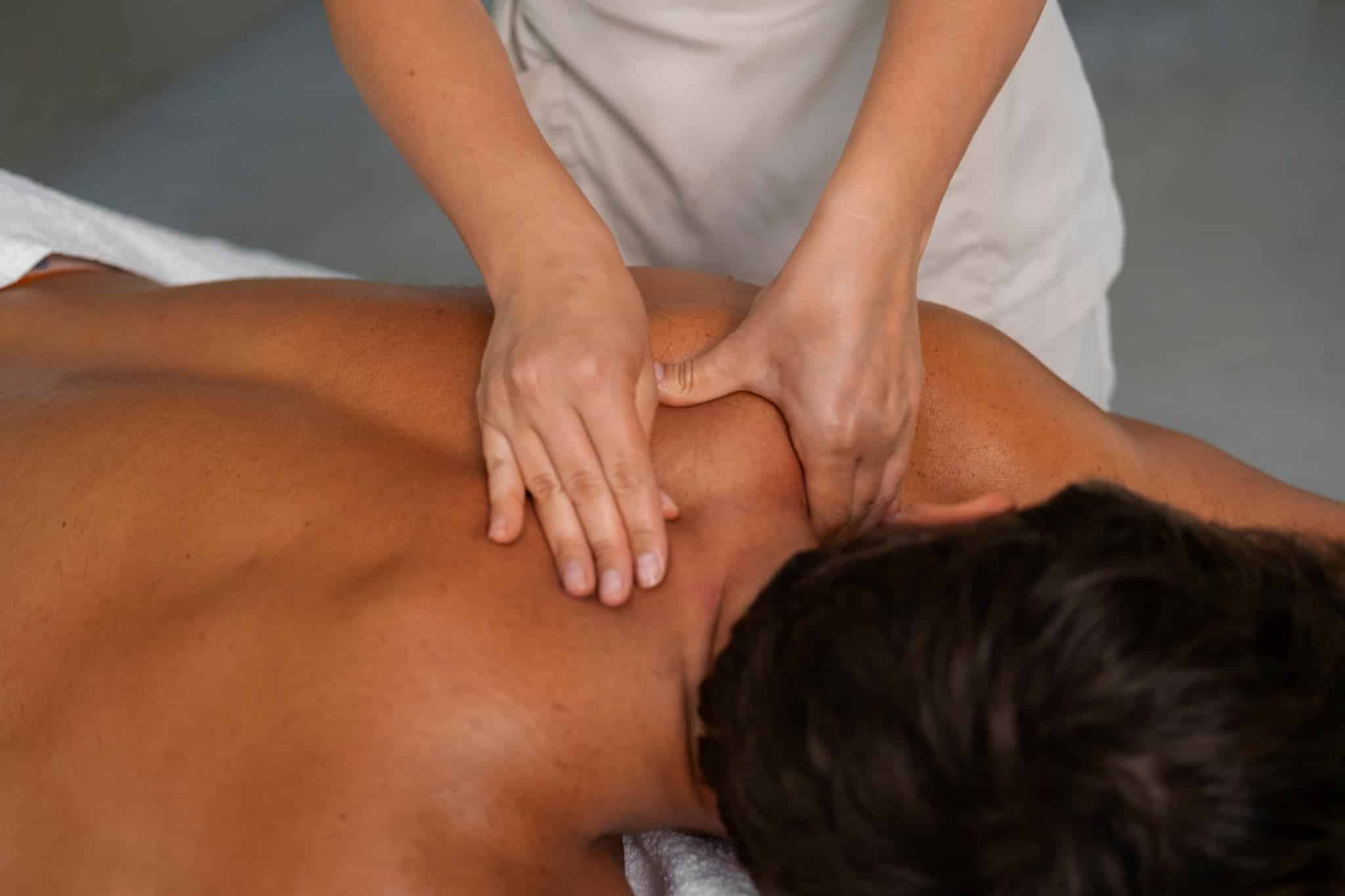
Deep tissue massage targets the deeper layers of muscle and connective tissue. The therapist uses slower strokes, sustained pressure, and focused techniques to work through the surface layers and reach the dense, restricted tissue underneath.
It is particularly effective for chronic pain, muscle knots, post-injury restriction, and areas where tension has been building for months rather than days. The goal is not to apply as much pressure as possible. The goal is to reach the specific tissue that is causing the problem and release it.
Deep tissue massage is not inherently painful. When performed by a trained therapist on adequately warmed tissue, it is firm and focused but not something you endure. If it crosses into sharp pain, the therapist should be told immediately so they can adjust.
Swedish massage uses longer, flowing strokes, kneading, and lighter pressure to encourage circulation and activate the parasympathetic nervous system. The purpose is to shift the body out of the stress response and into genuine rest.
It works on the surface layers of muscle rather than the deeper connective tissue. For stress relief, sleep support, and general tension that has not yet become a chronic problem, Swedish is often the better choice precisely because it does not push the body hard. The nervous system relaxes faster when the technique is not demanding a stress response of its own.
Relaxation massage at our clinic follows Swedish principles and is frequently paired with magnesium or essential oil upgrades that amplify the nervous system effect.
Deep tissue is the better fit when:
You are dealing with chronic pain in a specific area, back, neck, hips, or shoulders, that has not responded well to lighter work. The tissue is dense, knotted, or restricted in a way that lighter strokes cannot reach. You are recovering from an injury or dealing with post-accident soft tissue damage. You are an athlete managing soreness, restricted mobility, or overuse in a specific muscle group.
For many chronic pain clients, deep tissue combined with a specialty modality like Gua Sha or cupping is more effective than deep tissue alone. Gua Sha uses stainless steel tools to release fascial restriction that even deep pressure cannot always fully address. Cupping uses suction to lift tissue and increase blood flow to layers that compression-based techniques cannot reach. Both are available as add-ons at our clinic for $25, or included at no cost for members.
Swedish is the better fit when:
Your primary issue is stress, anxiety, or nervous system overload rather than structural pain. You are new to massage and want to understand how your body responds before committing to deeper work. You are in generally good physical condition but need to reset mentally and physically. You are sensitive to pressure and find deep work uncomfortable rather than productive.
Swedish massage also works well before or after float therapy. Booking a relaxation massage followed by a float session in the same visit produces a sustained calm that most clients describe as unlike anything they experience from either service alone.
One of the things we do differently at our clinic is that you do not need to arrive knowing which technique you want. Choose a session length. Our therapists will ask about your goals, pain points, and history at the start of the session and determine the right blend.
Most sessions at Body Balance do not rely on a single technique. Therapists are trained across Swedish, deep tissue, trigger point, sports, Lomi Lomi, and more, and they combine them within a session based on what the tissue needs. A client with chronic lower back pain might receive Swedish work in the opening of the session, deeper pressure in the lumbar and glute region, trigger point therapy on specific knots, and a lighter finish to encourage circulation.
The distinction between "deep tissue" and "Swedish" describes individual techniques within a therapist's toolkit, not exclusive session types.
Related Topics: