
Sleep problems are almost always framed as a behavior issue, and most solutions follow the same script. Consistent bedtimes, limited screen time, and cutting caffeine by 2 PM are the standard recommendations. Those tips carry real value, but they miss a deeper issue. A nervous system running at high baseline activation won't shift into sleep mode on command, no matter what the sleep hygiene checklist says.
That's exactly where the best massage and a preferred massage team make a real difference. The body has to be capable of downshifting, and when it isn't, all the habits in the world have limited effect on what actually happens when you close your eyes.
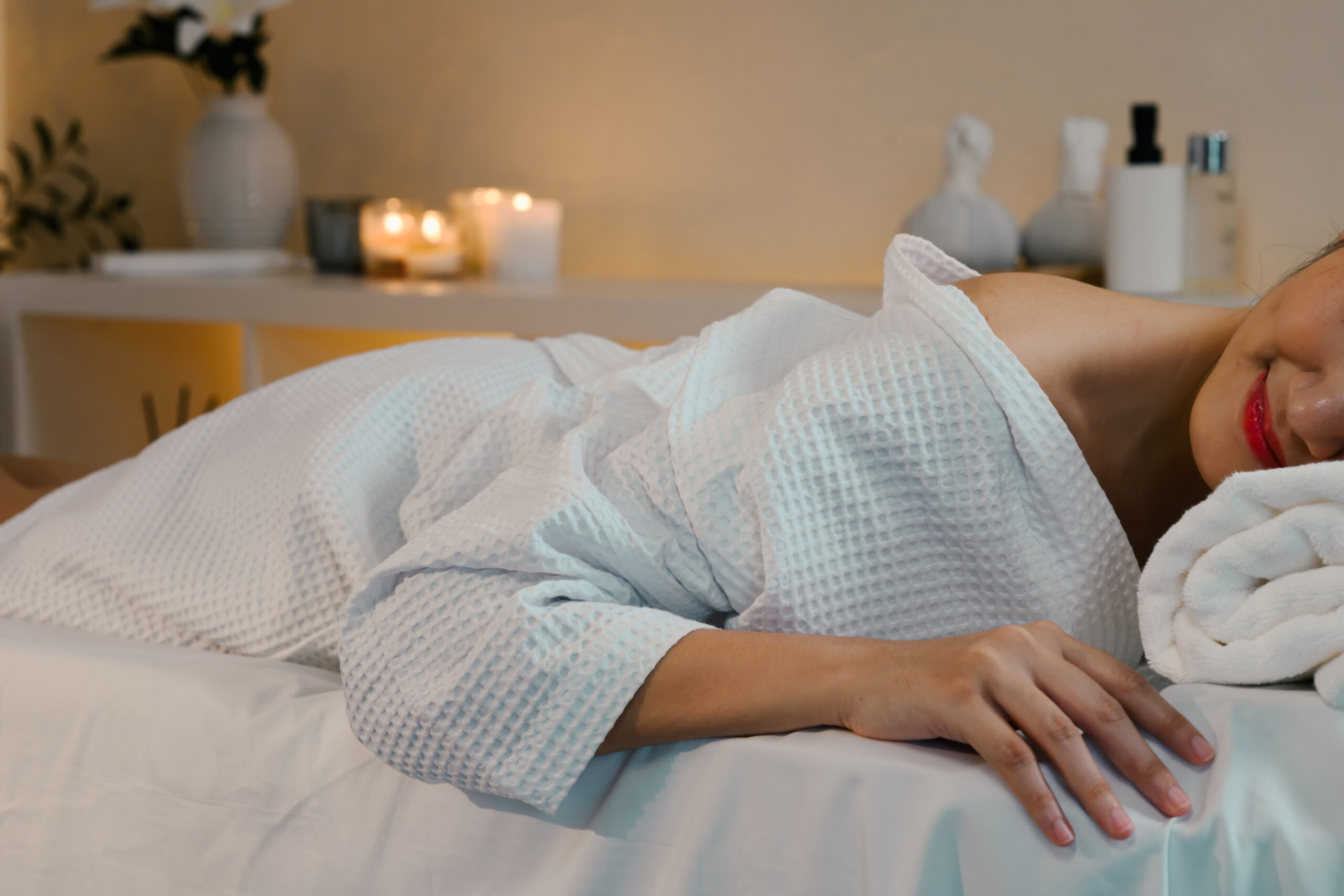
The transition into sleep requires the parasympathetic nervous system to be dominant. That's the branch responsible for rest, digestion, and recovery, the opposite of the fight-or-flight state that characterizes sustained stress. When cortisol stays elevated and the sympathetic system stays activated past when it should, the body doesn't make that transition cleanly.
The result is familiar to most people with persistent sleep problems: lying awake with a racing mind, waking in the early hours unable to settle back down, or sleeping for technically adequate hours but never feeling rested because the deeper stages of sleep are being shortchanged. The sleep architecture gets disrupted even when sleep technically happens.
Therapeutic massage produces a measurable parasympathetic response. Heart rate drops. Cortisol falls. Muscles that have been holding chronic tension release. These aren't subtle effects. They're the same mechanisms that make clients feel genuinely drowsy on the table, which is a reasonable real-time indicator of what happens in a body that's ready to sleep.
Research from the American Massage Therapy Association has compiled findings on massage and sleep quality, including studies showing improvements in sleep onset, sleep duration, and time spent in deep sleep following regular sessions. The effect is more consistent with regular care than with occasional sessions. The nervous system needs repeated input to recalibrate its resting state, not a single strong signal it can ignore.
Cortisol follows a natural daily curve: high in the morning, declining through the day, lowest at night. In people with chronic stress, that curve flattens. Cortisol stays elevated in the evening when it should be falling, which delays sleep onset and fragments sleep quality through the night.
Massage reduces cortisol. For clients whose sleep disruption traces to elevated nighttime cortisol, which describes most people who lie awake feeling exhausted but unable to sleep, sessions timed in the late afternoon or early evening may address the physiological barrier directly rather than just the behavioral habits around it. We're open until 10 PM Monday through Saturday, which means that timing is available for clients who want to use it intentionally.
Float therapy operates through the same parasympathetic pathway as massage but holds the state for a longer, uninterrupted period. In a 90-minute float session in our open pool, the nervous system receives sustained low-stimulation input for the full duration. Cortisol drops. The body regulates without any competing demands.
Many clients who come in specifically for sleep issues find that float therapy produces a more immediate effect on their sleep the night of the session than massage alone. Both approaches are often used together, massage to address the physical tension component and float to extend the nervous system recovery window. Dr. Justin Feinstein at the Laureate Institute for Brain Research has examined float therapy's effects on the stress response specifically, with findings suggesting sessions may reduce cortisol and normalize stress-related physiological markers.
Not all massage approaches serve the sleep goal equally. High-intensity deep tissue work at significant pressure stimulates the nervous system in ways that can work against downregulation, which makes it a poor choice for sessions specifically aimed at sleep.
Cranial sacral massage, which uses light, sustained touch on the skull and sacrum to influence nervous system regulation, is particularly well-matched to sleep-focused care. Slower broad deep tissue work, the kind that allows tissue to soften and respond rather than brace, supports parasympathetic activation while still addressing the physical tension that makes it hard to get comfortable at night. Reflexology targeting the feet is another approach our therapists use for clients dealing with chronic sleep disruption.
Our float sessions include an optional magnesium upgrade that increases the magnesium concentration in the pool. Magnesium supports nervous system function and muscle relaxation, and clients who add this upgrade specifically for sleep purposes often report better results than float sessions alone.
The mechanism is direct: magnesium is involved in the regulation of neurotransmitters that govern sleep onset and quality. A float session with the magnesium upgrade delivers a meaningful dose through the skin over 60 to 90 minutes, which is longer and more consistent than most oral supplementation approaches.
The clients who see the most consistent improvement in sleep are the ones who treat massage or float as part of their regular routine rather than as a response to a bad week.
Our $10 per month membership, with no contract and no cancellation penalty, makes consistent care financially realistic. A 50-minute massage runs $72 for members. A 60-minute float runs $40. Both together in a single month run $112, less than many people spend monthly on sleep supplements that work less predictably.
Book your first session online. First massage is 35% off. First float is 25% off.
Related Topics: