If you've never had a full-body massage before, walking into a session can feel a bit mysterious. Whether you're booking top-rated massage therapy in American Fork, UT, or trying it out somewhere else, knowing what actually happens helps you relax and get more out of the experience. Different techniques get used depending on what you need - Swedish for general relaxation, deep tissue for stubborn knots, Shiatsu for energy work, sports massage for athletic recovery, or trigger point therapy for specific problem areas.
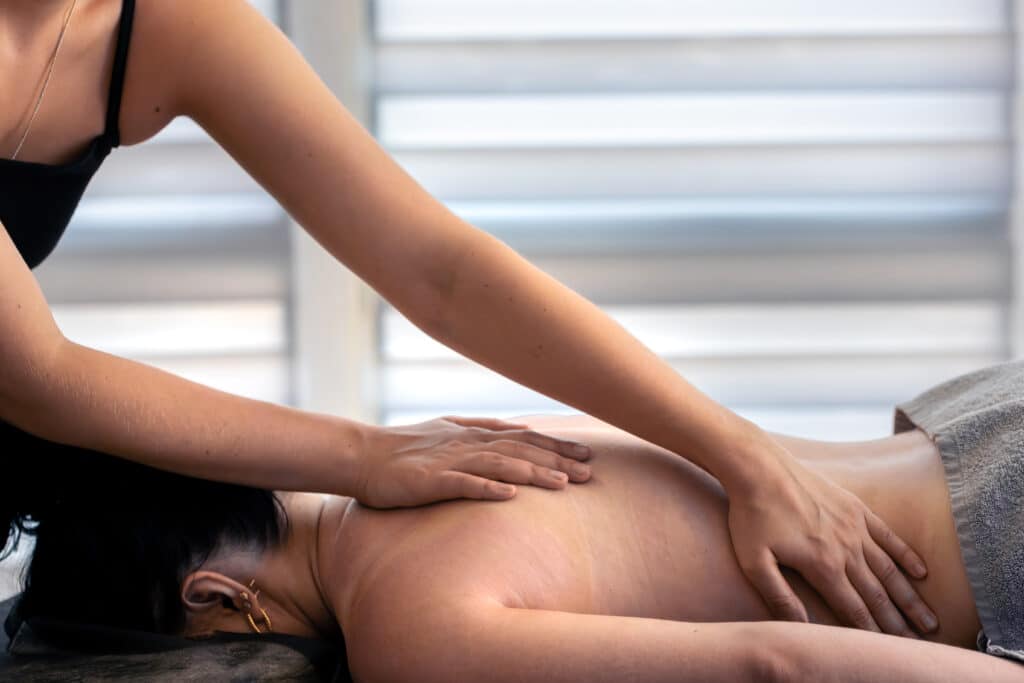
Your massage therapist will work on your neck, back, arms, legs, and feet to release tension throughout your body. Breathing and relaxation play a big role in how effective the session is. Essential oils like lavender and peppermint often get added to make the whole thing more therapeutic. We'll also cover what to do after your massage to keep feeling good.
A full body massage does more than just feel nice in the moment. The physical work releases knots and tightness in your muscles, gets your blood flowing better, and brings down stress levels. When a skilled therapist works through muscle tension, your flexibility and range of motion improve, which makes everyday movements easier. You're not as stiff when you reach for something or bend down. Massage also triggers endorphin release - those natural chemicals that make you feel good. Your mood lifts, anxiety drops, and if you've been dealing with low-level depression, you might notice that easing up, too. Getting massages regularly isn't some luxury splurge - it's actually a smart way to take care of both your physical and mental health. Your body needs maintenance just like anything else.
Massage therapists use different techniques based on what your body needs. Swedish massage involves long, flowing strokes that work for general relaxation and stress relief. Deep tissue goes after the deeper muscle layers and connective tissue when you've got serious tension or chronic pain. Shiatsu uses rhythmic pressure on specific points along your body's energy pathways to balance things out. Sports massage focuses on the areas that get overworked from repetitive movements - huge for athletes and anyone who does the same physical tasks daily. Trigger point therapy zeros in on those specific tight spots that refer pain to other areas. Each technique does something different, so your therapist can switch it up based on what you're dealing with and what feels best for your body.
Your massage therapist will hit different areas of your body depending on where you hold tension. The neck and shoulders usually get attention since most people carry stress there from sitting at desks or looking down at phones. Your back is another major focus - releasing tension there improves your posture and takes pressure off your spine. Arms and hands get worked on to loosen tightness and get circulation moving better. Down in the lower body, your glutes, legs, and feet receive focused work to ease muscle tightness and help you actually relax. Covering all these areas during a session gets your whole body into a deeper state of relaxation instead of just one or two spots feeling better while everything else stays tight.
Relaxation and breathing matter more than most people realize during a massage. When you're tense and holding your breath, your muscles stay contracted, and the therapist can't work as effectively. Letting go and breathing deeply helps release that tension so they can actually get into those muscle knots and improve circulation. Deep, intentional breathing oxygenates your blood and intensifies the relaxation response your body's already having. Focusing on your breath also strengthens that mind-body connection, which makes the whole session more effective. Take a minute before and during your massage to center yourself, breathe fully, and let your body soak up what's happening. Fighting it or staying in your head the whole time defeats the purpose.
Essential oils and aromatherapy add another dimension to massage that goes beyond just the physical work. These oils come from plants and have real therapeutic properties. Lavender calms your nervous system down, while peppermint helps with muscle tension and soreness. Aromatherapy uses these scents to promote relaxation and overall well-being, which pairs perfectly with the hands-on massage techniques. Your sense of smell connects directly to your brain's emotional centers, so the right scent can deepen your relaxation significantly. Talk to your massage therapist before your session about incorporating essential oils - they can customize the experience based on what you need and what scents work for you.
What you do after your massage affects how long the benefits last. Drink plenty of water to flush out the toxins that were released when your muscles loosened up. Some gentle stretching helps maintain the flexibility and muscle relaxation you just got from the table. A warm bath with Epsom salts soothes any lingering soreness. Skip intense workouts or heavy physical activity right after - give your body time to absorb everything and fully relax. Rest matters too. Let your muscles continue healing instead of immediately jumping back into whatever caused the tension in the first place. If something feels off or uncomfortable after your massage, tell your therapist so they can adjust next time. Following through with aftercare makes the positive effects last longer instead of disappearing in a day or two.
Related Topics: