
A quality full-body massage targets specific areas to release tension and restore balance. From your head down to your toes, each region receives focused attention to reduce discomfort and improve mobility. This guide walks you through the key areas massage therapists target during your session. Understanding these zones helps you appreciate how massage relieves stress throughout your entire body. Each area plays a unique role in your physical comfort and relaxation.
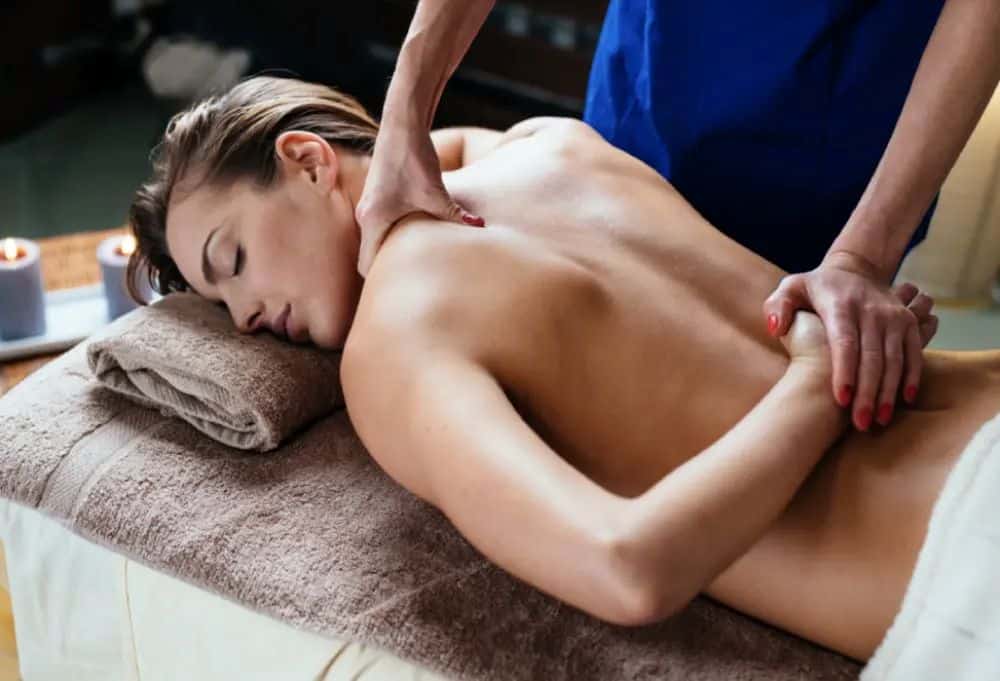
Most massage sessions start with the head and neck since these areas hold significant stress. Tension here often causes headaches and general discomfort that affects your whole day. Therapists use gentle kneading, circular motions, and pressure point techniques to release tight muscles. This work improves blood flow to your head and loosens neck muscle knots. Starting here sets the foundation for deeper relaxation throughout the rest of your massage.
Your shoulders and upper back bear the burden of poor posture and daily activities. The complex network of muscles in these areas tightens easily, reducing your range of motion. Massage therapists use kneading, compression, and stretching to release tension around your shoulder blades and upper back. This focused work alleviates immediate discomfort while correcting posture issues. Proper manipulation of these areas increases flexibility and prevents future problems.
Your arms contain muscles that tighten from repetitive movements and desk work. Focusing on the biceps, triceps, forearms, and hands releases built-up tension and improves circulation. Therapists use techniques such as effleurage, petrissage, and friction to address muscular imbalances. This targeted work leaves your arms feeling lighter and more flexible. Hands especially benefit from massage since they perform countless daily tasks.
The lower back frequently holds tension from sitting, poor posture, or physical strain. Kneading and circular friction help release tight lumbar muscles and improve flexibility. Hip massage targets the area where your pelvis meets your thighs, relieving tightness in hip flexors and gluteal muscles. This work improves mobility and reduces discomfort in your lower body. Addressing these connected areas significantly boosts your physical comfort.
Your legs and thighs hold tension from standing, sitting, and physical activity. Targeting specific muscle groups provides relief and relaxation. Here are four key aspects:
Your feet carry your entire body weight and deserve special attention during a massage. Applying pressure to specific points on your soles, arches, and heels releases tension and improves circulation. Techniques like kneading, stretching, and circular motions alleviate pain and improve flexibility. Toe massage can relieve conditions such as plantar fasciitis or bunions. Including feet and toes in your massage ensures a complete and rejuvenating experience.
Related Topics: