Scalp massage is a simple yet powerful practice that offers a range of benefits for both physical and mental well-being. From improving blood circulation to promoting healthier hair growth, scalp massages can also help reduce tension headaches, alleviate stress, and encourage relaxation. With the right preparation, techniques, and consistency, you can transform your scalp massage into a rejuvenating experience that supports overall health. This guide from a massage therapist in American Fork will walk you through the benefits, techniques, and tips to maximize the results of your scalp massage routine, ensuring a soothing and effective experience.

Benefits of Scalp Massage
Scalp massage offers a myriad of benefits that contribute to both physical and mental well-being. Physically, scalp massage promotes increased blood circulation to the hair follicles, which can result in stronger, healthier hair growth. It also helps distribute natural oils produced by the scalp, aiding in moisture retention and overall hair health. Moreover, scalp massage can alleviate headaches and reduce muscle tension in the neck and head. From a mental perspective, the relaxation induced by scalp massage can reduce stress and anxiety levels, promoting a sense of calm and improved mental clarity. Overall, incorporating scalp massage into a routine can improve hair health, reduce stress levels, and enhance overall well-being.
Preparing for Scalp Massage
To fully benefit from a scalp massage session, properly preparing your scalp and surroundings is important. Begin by ensuring your hair is clean and free of any styling products. This will help the massage oils or lotions penetrate the scalp more effectively. Find a quiet and comfortable space where you can relax without distractions. Consider using a towel or a hair wrap to protect your clothes from any oils used during the massage. Furthermore, dimming the lights, playing calming music, or using essential oils can enhance the overall experience. These steps to prepare for your scalp massage will help create a soothing environment conducive to relaxation and rejuvenation.
Techniques for Scalp Massage
Various massage techniques can enhance a scalp massage session's effectiveness and overall experience. Use effleurage and gentle stroking movements to warm the scalp and relax the recipient. Petrissage, kneading motions, can help improve circulation and relieve tension. Friction, circular movements using fingertips or palms, can precisely target specific areas. Tapotement, light tapping, or cupping can invigorate the scalp and promote relaxation. Vibrations, gentle shaking or trembling motions, can release tension and enhance relaxation. Remember to adjust the pressure according to the recipient's comfort level and focus on areas that may hold more tension, like the temples or the base of the skull. These techniques combined can provide a thorough and soothing scalp massage experience.
Duration and Frequency
When considering the best benefits of a scalp massage, it is important to establish the appropriate duration and frequency of the sessions.
- Consistency: Regular scalp massages, ideally 1-2 times per week, can help maintain scalp health and promote relaxation.
- Duration: Aim for a scalp massage session lasting around 15-20 minutes to allow enough time for the massage techniques to work effectively.
- Listen to Your Body: How your scalp responds to the massage. Adjust the pressure or duration accordingly to guarantee a pleasant experience if you notice any discomfort or sensitivity.
Tips for Maximizing Results
For optimal outcomes from scalp massages, incorporating specific techniques can enhance the overall experience and benefits. To start, using the right amount of pressure is essential. Gentle pressure relaxes the scalp, while firmer pressure can stimulate blood flow and promote hair growth. Next, integrating essential oils can enhance the effects of the massage. Oils like lavender, rosemary, or peppermint offer a pleasant aroma and nourishing properties that benefit the scalp and hair.
Moreover, including scalp massage tools such as scalp massagers or brushes can help boost circulation and enrich the massage experience. Lastly, consistency is vital. Regular scalp massages, whether self-administered or done by a professional, can lead to long-term benefits for scalp health and overall well-being.
Other related articles:
Several forms of massage therapy are known to provide significant benefits to our basic health, and one great example here is warm bamboo massage. What are the key benefits of warm bamboo massage when it comes to your health, and why do many people take advantage of these benefits regularly?
At Body Balance Massage and Float, we're proud to offer a huge range of massage therapy services to patients around Lehi, Orem, Highland, Saratoga Springs and nearby areas, with massage therapists who provide numerous different massage techniques - warm bamboo massage among them. Here are some basics on warm bamboo massage, plus some warm bamboo massage benefits to your health that you may be interested in.
What is Warm Bamboo Massage?
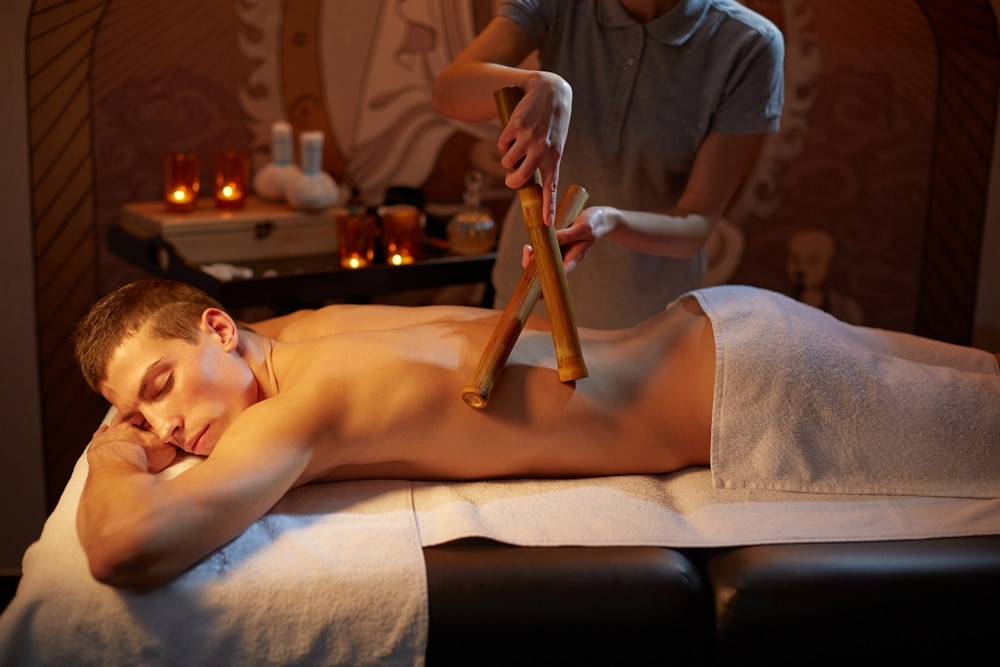
For those just getting into the world of massage, warm bamboo massage is a therapeutic technique that uses smooth, heated bamboo rods to provide deep tissue massage on certain areas of the body. It's similar to other types of deep tissue massage in many ways, but it has its own unique characteristics and benefits.
Some readers may be familiar with a hot stone massage, which uses heated stones to provide a similar experience. While warm bamboo massage is also a form of heat therapy, it comes with some distinct advantages over hot stone massage - primarily due to the unique shape and texture of the bamboo rods being used.
Our next several sections will go over some of the top benefits of warm bamboo massage.
Wide Range of Pressure Options
When utilizing warm bamboo tools, your massage therapist will have the ability to use a wide range of pressure options. This is because the bamboo can be used in several different ways: It can be rolled, kneaded, or even used as an extension of your therapist's hands.
This versatility provides numerous benefits when it comes to finding the right level of pressure for each individual client. And unlike other massage tools that may not offer as much customization, warm bamboo rods are lightweight and easy for therapists to handle - meaning they won't become fatigued while using them on clients.
Deeper Muscle Penetration
Due to their unique shape and texture, warm bamboo rods are able to penetrate deeper into muscles compared to other massage tools. This allows for more effective release of muscle tension and knots, providing greater relief for tight or sore muscles.
Additionally, the heat from the bamboo helps to relax and loosen muscles even further, making it easier for therapists to work out any problem areas in the body.
Improved Blood Circulation
Another significant benefit of warm bamboo massage is its ability to improve blood circulation. As the warmth from the bamboo penetrates deep into muscles, it also expands blood vessels and increases blood flow throughout the body. This can help to reduce inflammation and promote healing in injured or tense areas.
Relaxation and Stress Relief
Like many other forms of massage therapy, warm bamboo massage has a relaxing effect on both the mind and body. The combination of heat and pressure helps to release tension and promote a sense of calm, making it an ideal treatment for those dealing with stress or anxiety.
At the same time, the release of endorphins during a warm bamboo massage can also improve mood and reduce feelings of depression or fatigue.
Versatility in Targeting Specific Areas
Due to the varying sizes and shapes of bamboo rods, therapists are able to target specific areas on the body with great precision. This makes warm bamboo massage especially effective for addressing issues such as neck pain, back pain, sciatica, and other common problem areas.
The versatility of this technique allows therapists to cater each session to the specific needs of their clients - providing a more personalized and effective massage experience.
Posture Improvements
For many people, poor posture is a common issue that can lead to muscle tension and pain. Warm bamboo massage can be an effective tool in improving posture, as it helps to release tight muscles and alleviate any imbalances in the body.
By targeting specific areas of the body that may be causing postural issues, warm bamboo massage can help to correct these problems and prevent them from becoming more serious over time.
As you can see, warm bamboo massage offers numerous benefits for both physical and mental well-being. Its versatility, deep tissue penetration, and relaxation effects make it a popular choice among many massage therapy clients.
If you're interested in experiencing the benefits of warm bamboo massage for yourself, be sure to schedule a session with one of our skilled massage therapists at Body Balance Massage and Float. We're dedicated to helping you achieve optimal health and wellness through the power of touch, whether you're in Lehi, Orem, Highland, Saratoga Springs or any nearby area!
Certain bodily treatments tend to hold more value if they're utilized consistently rather than occasionally, and a great example here is the realm of massage therapy. While taking advantage of periodic massage therapy services when you have temporary aches or pains is definitely a great way to address these issues, many people find they get even greater benefits from regular, scheduled massage sessions even if they aren't in direct discomfort.
At Body Balance Massage and Float, many of our massage therapy techniques for Orem and Lehi patients are ideal for regularly scheduled session maintenance, such as Swedish massage and several others. Here are some of the ways that regular sessions benefit many patients, from those who have aches and pains to those who simply want to maintain their general wellness on a regular basis.

Basic Stress Management
For many people, life is just plain stressful. Whether it's a job, family obligations, financial worries or any other number of sources, stress can build up over time and manifest itself physically in the form of tension headaches, aches and pains in the neck/back area and even fatigue.
Regular massage therapy sessions can work wonders in reducing this kind of stress-related discomfort. By targeting the knotted, tight areas that often result from stress and helping to restore balance within the body, massage can offer a much-needed release not just of physical tension, but also of emotional stress as well.
For instance, let's say you've had a string of long, tiring days at work. A regular massage session can provide the perfect opportunity to let go, relax and just enjoy being in a tranquil environment free from stressors for an hour or so.
And by scheduling these on a regular basis instead of waiting for the stress to build up, some people find that they can even cut down on the amount of stress overall in their lives.
Sleep Improvement
Another major benefit of regular massage therapy sessions is improved sleep. For people who suffer from insomnia, stress and anxiety can be major culprits for sleepless nights - and this makes sense, since the body needs to be relaxed in order to get a good night's rest.
Massage helps to relax both the muscles and mind and improve circulation throughout the body. As a result, many people find that they have improved quality of sleep following regular massage sessions and often experience less fatigue during the day as well.
Better Mobility
One thing that can prevent people from engaging in physical activities like going to the gym or doing yoga is decreased mobility due to aches and pains. And while periodic massage therapy sessions can help with this, many people find that regular sessions offer even greater benefits.
By regularly targeting areas of tightness and helping to restore balance within the body, massage can increase mobility over time, allowing the patient to move more freely and engage in physical activities with greater ease. This is ultimately great for those who want to stay active, as well as for those who may have suffered an injury and need to restore balance to the affected area of the body.
Athletic Performance
For those who want to take their activity levels up even further and engage in more intense physical activities, regular massage therapy can help to improve athletic performance.
This is because massage helps to relax the muscles and joints and reduce tension which can often prevent athletes from performing at their peak level. Additionally, by improving circulation throughout the body, massage also helps to ensure that oxygen-rich blood reaches all parts of the body, which can improve stamina and help athletes to push themselves even further.
Tissue and Joint Lengthening
Especially for people who sit at a desk all day and don't get much movement, regular massage therapy can help to improve posture and even increase flexibility by lengthening the muscles and joints.
By targeting these areas of tightness and helping to restore balance within the body, massage can actually stimulate the body's natural healing process. This not only helps to reduce pain caused by tension or strain, but it can also help to increase overall mobility and flexibility, which is great for those who want to move more freely without fear of pain or injury.
Overall, there are many benefits to be gained from regular massage therapy sessions beyond just feeling good in the moment. By targeting areas of tension and helping to restore balance within the body, massage can help to improve sleep, increase mobility and even enhance athletic performance. So whether you're looking to relax or become a better athlete, regular massage therapy sessions can be the key to unlocking your body's full potential.
At Body Balance Massage and Float, our experienced massage therapists can help you find the perfect balance that works for you and your body. Contact us today to learn more about how regular massage sessions can benefit you, or to learn about any of our massage or float therapy services for patients in Orem and Lehi.
Many people are well aware that massage therapy can have a positive impact on numerous systems within our bodies, and a great example here is the heart. Heart health is connected to many other systems and areas of the body, and massage therapy helps with several of these in ways that are often highly beneficial for overall heart health themes.
When clients ask us about massage for heart health, the honest answer is that the cardiovascular system responds well to regular, skilled bodywork, and a thoughtful approach to cardiovascular health can support the heart alongside other healthy habits.
At Body Balance Massage and Float, we're proud to offer a wide range of massage therapy techniques to clients in Lehi and Orem, from Swedish massage to trigger point therapy, sports massage and many others. Let's look at some of the broad benefits of using massage for those who want to maintain quality heart health, plus some of the more common massage techniques that may provide these benefits.

Benefits of Massage Therapy
The benefits of massage therapy for the heart come mostly from how therapeutic massage calms the nervous system, eases the body into deep relaxation, and encourages healthier day-to-day function of the heart and blood vessels.
Boosting Circulation and Cardiovascular Health
Circulation is a huge part of the overall health of our cardiac system, playing a role in everything from oxygenated blood flow to the delivery of nutrients and hormones. Massage therapy can have a direct, positive impact on circulation thanks to the relaxation response it creates, which helps open up vessels and other channels responsible for carrying these substances throughout the body.
This is enormously beneficial to many patients - circulation is a common problem that can result from things like stress, poor diet, or even injuries. Massage helps reset these channels and allows the body to re-establish its natural rhythms.
Increasing circulation does more than feel good in the moment. Improved blood flow means the cardiovascular system is delivering oxygen and nutrients to tissues more efficiently, and relaxed blood vessels face less resistance as blood moves through the arteries and past the artery walls. That smoother flow can reduce stress on the cardiac system and help support a healthy heart day-to-day, which matters even more if you are managing any heart condition.
Regular, gentle work on the muscles around the spine and shoulders keeps blood moving through the arteries and is one of several practical ways to protect long-term cardiovascular health. Our team at the Lehi studio sees this pattern often with clients who come in consistently for therapeutic massage focused on the neck, shoulders, and upper back.
Reducing Chronic Stress Levels
The relaxation response mentioned above can benefit in another key way - lowering stress levels. High levels of stress have been linked to many conditions that affect heart health, from high blood pressure to coronary artery disease. Massage provides an excellent way to de-stress, with all the changes in circulation and hormones that come along with it.
In addition, many of our massage therapy options also provide a sense of emotional well-being that can be beneficial for anyone struggling with anxiety or depression - two conditions that may have significant impacts on heart health as well.
Chronic stress is a key contributor to cardiovascular disease because stress hormones like cortisol keep the body in a reactive state, which can lead to elevated pulse and blood pressure over the long term. That sustained load is a major risk factor for heart disease and a quiet driver of many everyday heart problems in otherwise healthy adults.
Stress hormone reduction is one of the most consistent physiological shifts people notice after a session, which can also lead to lower blood pressure and a real reduction in the risk of heart disease. We see clients in Orem who book a massage specifically to break the chronic stress cycle and protect better heart health alongside their other lifestyle factors.
Lowering High Blood Pressure
Another key facet is maintaining healthy levels of blood pressure. Massage can help lower both systolic and diastolic readings, especially when targeting areas of the body that are responsible for regulating these measurements. Techniques such as Swedish massage or trigger point therapy have been known to be particularly effective in this regard.
High blood pressure is a major risk factor for heart attack and stroke, so even a short-term drop in diastolic blood pressure after a session is a meaningful signal that the body is moving out of a stressed state. For clients managing hypertension with their doctor, massage can play a supporting role, though it is never a substitute for prescribed care.
Slowing Heart Rate
Down related lines, massage can also help slow down a person's pulse rate when needed. This can be especially beneficial if the patient is dealing with hypertension or other conditions that cause an elevated pulse, as a slower pulse rate can lead to lower blood pressure and improved heart health overall.
In addition, slowing the pulse rate means that the body has more time to relax between beats, allowing the body's natural healing and relaxation processes to kick in.
Massage lowers pulse by promoting relaxation of the muscles and the nervous system at the same time, which is why clients often report a noticeably lower heart rate for hours after a session. A consistent move into deep relaxation during your appointment sets the tone for better sleep that night, and good sleep is one of the quiet but important pieces of recovery for our most vital organ.
Common Techniques That Benefit Heart Health
While this isn't meant as an exhaustive list, here are a few of the techniques that tend to be most effective in bringing these advantages to patients:
- Swedish massage: As one of the most popular massage techniques, it is designed to relax the muscles and reduce tension in the body. It can help with pressure regulation and often provides a sense of emotional well-being as well.
- Trigger point therapy: This technique involves targeting specific areas on the body where muscle knots may be present. By focusing on these problem areas and helping them release, trigger point therapy can provide relief and improved range of motion.
- Deep tissue massage: Another popular technique, it is designed to target the deeper muscles in the body and provide relief from tightness and soreness. This can help with circulation issues, as well as providing a sense of relaxation and physical rejuvenation.
- Sports massage: Aimed at athletes or anyone engaging in regular physical activity, it helps prepare the body for exercise and helps the body recover afterward. It can also help with circulation and reduce tension in the muscles.
Supporting Recovery With an Existing Heart Condition
Clients recovering from a heart attack, heart surgery, or living with established heart conditions often ask whether it is safe to book a session. The short answer is that clearance from your cardiologist should come first, especially during early recovery, and that deep tissue is generally avoided for anyone taking anticoagulants because of the higher risk of bruising. Once you have medical approval, massage can ease muscle tension, reduce pain, and calm the symptoms that linger after cardiovascular events, from restless sleep to low-grade anxiety.
We routinely adjust pressure, position, and technique for cardiovascular conditions like heart failure, arrhythmia, and recovery after stroke. For pacemaker and ICD patients, we keep hands away from the implant site entirely. Our team is comfortable coordinating with your care plan so the benefits of massage therapy fit cleanly alongside it rather than working against it.
Making Regular Massage Part of a Heart-Healthy Wellness Routine
One session feels great. A pattern of regular massage is what produces results you can actually track. Incorporating massage therapy into a wellness routine alongside exercise, sleep, and a sensible approach to food is a practical form of self-care that complements the lifestyle factors most cardiologists already recommend. Many of our Lehi and Orem clients book standing appointments every two to four weeks, often pairing a full body session with a shorter foot massage when they need targeted work on circulation.
February is American Heart Health Month, which is a natural time to reset your habits, though regular massage therapy works year-round as one of several complementary therapies that support reducing muscle tension and calming a stress-heavy nervous system. The goal is simple: keep the positive effects of each session compounding instead of letting them fade between visits.
Massaging Do’s and Don’ts for Heart Welfare
A few simple habits make every session safer and more effective for anyone thinking about the health of our cardiovascular pump.
Do:
- Tell your therapist about every heart medication you take, including anticoagulants like warfarin or apixaban, and flag any recent tests or procedures.
- Drink water before and after your appointment to support circulation and reduce the lightheaded feeling some people get when standing up after therapy.
- Speak up during the session if anything feels uncomfortable, whether that is pressure, position, or temperature.
- Sit up slowly at the end of your appointment and take a minute before walking out of the room.
- Book consistently. Two to four weeks between appointments is a reasonable cadence for most clients managing stress as part of their heart-health routine.
Don’t:
- Don’t eat a heavy meal or drink alcohol in the two hours before your appointment. Both can leave you uncomfortable and affect how your body responds to the massage.
- Don’t book firm-pressure sessions if you are taking anticoagulant medication. Lighter pressure or Swedish-style work is safer and still effective.
- Don’t schedule a session while heart-related wounds are still healing from surgery, cardioversion, or device implantation. Wait for your doctor’s clearance.
- Don’t use massage as a replacement for prescribed treatment. It is a complement, not a substitute.
- Don’t push through symptoms. If you feel dizzy, nauseous, or short of breath during a session, tell your therapist right away.
What to Watch Out For: Conditions That Need Extra Care
Most people with a heart-related diagnosis can still get a massage safely once their cardiologist signs off. A few situations just call for an adjusted technique or a short wait.
- Atrial fibrillation (AF): Gentle Swedish-style work is usually fine between episodes. Hold off if signs are worsening or if you recently had cardioversion or catheter ablation, and skip neck massage entirely.
- Pacemakers and ICDs: Safe once the implant site has fully healed. We keep hands away from the device area entirely.
- Heart failure: Seated position is often better than lying flat, especially if breathing is harder when you recline. Hands, feet, head, and shoulders are the primary focus.
- Anticoagulants: Skip deep tissue. Bruising comes on faster and more easily when you are on anticoagulant medication, so lighter techniques are the right call.
- Recent heart attack or operation: Wait for your doctor to confirm that any surgical sites have fully healed before booking.
- Known blood clots (DVT) or clotting disorders: Massage is generally not recommended because of the risk that a clot could dislodge. Get clear guidance from your doctor before any bodywork.
- Uncontrolled high arterial pressure: Get a reading before your session. Massage can still help, but very high readings should be addressed with your doctor first.
Massage Alone Does Not Guarantee Heart Health
It's important that we're clear when it comes to massage therapy and its relationship to the health of our most vital organ. While massage can certainly be beneficial, it should never be seen as a replacement for other medical treatments or approaches. Massage is best used in conjunction with a healthy diet, exercise routine, and any other treatments that may be recommended by your doctor.
Heart disease is still one of the leading causes of death in the United States, and no single intervention reverses it on its own. What massage can do is contribute to promoting heart health through real, measurable positive effects on stress, sleep, and everyday comfort, which in turn support the bigger lifestyle pieces that actually move the needle on heart disease risk.
A few practical tips help you get the most out of each visit. Avoid eating right before the appointment, skip alcohol, and drink plenty of water before and after. Let your licensed massage therapist know about any heart medications you take, any recent procedures, and any sings that feel new or off that day. These small details protect you and help us tailor pressure and position so you get the significant benefits of each session without any avoidable discomfort.
Ultimately, therapeutic intervention can provide some excellent advantages when it comes to improving cardiac system health, but it's important to remember that any medical decisions should always be made in consultation with your healthcare provider. Doing so can help ensure that you get the best possible outcomes and stay healthy for years to come.
Frequently Asked Questions
Is massage safe if I have a heart condition?
In most cases, yes. Once your cardiologist signs off, light to moderate massage is considered safe for many common heart conditions. The exceptions are active blood clots, unhealed surgical sites, and worsening signs, which is why the clearance conversation matters.
Does massage actually lower blood pressure?
Research shows a short-term drop in both systolic and diastolic readings after a session. Long-term management of your pressure still requires the approach your doctor has set up, but regular massage can be a meaningful supporting piece of that plan.
Which type of massage is best for heart health?
Swedish massage is the most common recommendation because the flowing, moderate-pressure style is calming for the nervous system without putting strain on the body. Reflexology and gentle foot work are also good options, especially for clients who cannot lie flat comfortably.
How often should I get a massage for heart health benefits?
A session every two to four weeks works well for most people using massage to manage stress and support cardiovascular health. Research on consistent, twice-weekly touch interventions shows the clearest changes in arterial pressure, sleep, and cortisol, so cadence matters more than single sessions.
Can I get a massage on blood thinners?
Yes, with lighter pressure. Deep tissue work is not suitable for people on anticoagulants because bruising comes on easily. Swedish, relaxation-focused, or targeted neck-and-shoulder work are better fits.
How long after a heart attack or surgery can I get a massage?
It depends on the procedure and how your incision sites are healing. Ask your cardiologist for a specific timeline. Once you have clearance, we can design a session that works around any remaining tender spots and supports the rest of your recovery.
For more here, or to learn about any of our massage therapy or float therapy solutions for clients in Lehi, Orem and nearby areas, speak to our team at Body Balance Massage and Float today.
While certain forms of massage are often used to address specific forms of pain or other issues that are taking place in the body, some people just want a massage to relax, improve their circulation and wind down. The Swedish massage, known in many other parts of the world as simply a "classic" massage, is one of the top candidates here.
At Body Balance Massage and Float, Swedish massage is one of several techniques we're happy to offer to clients who just want to relax and unwind a bit. Many of our clients use it for a combination of relaxation and regular wellness improvements, and it has several benefits in both these areas. Here are some basics to know about this technique, plus some of its key benefits for many people.

How Swedish Massage is Performed
Within a Swedish massage, a massage therapist may call on a few time-tested techniques:
- Petrissage: The technical term for kneading, wringing, and rolling tissues in your body, this technique is often used to break up knots and tension in the body. It helps attract blood flow to certain areas, too.
- Effleurage: This technique is often used to apply soothing and broad strokes to the entire body in an effort to loosen up tension and improve relaxation overall. It involves gliding motions across the skin and applying light pressure to help relax muscles.
- Vibration: Many therapists add a bit of vibration to their Swedish massage. This can help loosen up knots and tense muscles, and it often helps people relax even more quickly.
- Tapotement: Referring to the act of "soft chopping" that therapists use to help loosen up knots in the muscles and increase circulation, this technique is often done at the end of a massage session.
Benefits of Swedish Massage
Swedish massage comes with several specific and broad benefits that make it ideal as a daily wellness technique. Here are some of the most notable:
- Stress and blood pressure management: This massage helps many people reduce their blood pressure and cortisol levels, which ultimately helps them better manage stress. By reducing these levels, many people are able to enjoy a more relaxed state overall.
- Sleep improvement: Many people have used Swedish massage to help them wind down and fall asleep faster and get better sleep each night.
- Pain relief: With its combination of kneading, vibration, effleurage and other techniques, this form of massage can often help to reduce chronic pain in the body.
- Improved flexibility: Swedish massage can help to improve flexibility and range of motion over time, making it an ideal choice for those who struggle with tight muscles.
- Immune system function: Thanks to the boost in circulation that Swedish massage can often bring, it helps many people improve their immune system function.
- Simple relaxation: For those who just want to relax and wind down, Swedish massage is a great choice. It can provide an hour of restful relaxation without the need for any additional techniques.
Comparing to Other Techniques
Firstly, it should be noted that Swedish massage pulls from several other techniques, including Shiatsu and some aspects of deep tissue massage. However, its focus is on relaxation rather than dealing with specific pain or tension points in the body. It's also generally a less aggressive technique when compared to deeply focused forms of massage, making it a great choice for those who just need to relax.
Deep tissue massage, for instance, is typically much more focused on specific knots and tension points in the body, while Swedish massage looks to provide a sense of calming relaxation with its broader strokes and techniques.
Overall, Swedish massage is an ideal choice for those who want to relax and improve their overall wellness without focusing too much on any specific pain points in the body. It comes with some scientifically-backed benefits and can be a great choice for those who want to take their wellness routine up a notch. It is also typically less aggressive than deep tissue massage, making it a great choice for those who just need to relax.
At Body Balance Massage and Wellness, we offer a variety of massage services that may help you achieve your desired state of relaxation. Contact us today to find out more!
In part one of this two-part blog series, we looked at some of the most notable benefits of massage therapy that are especially beneficial during the winter. While many people receive benefits from different massage techniques throughout the year, some find that it's especially helpful during the coldest parts of the year when certain kinds of pain are at their most likely.
At Body Balance Massage and Float, we're here to offer a wide range of massage therapy techniques and services, from deep tissue full body massage to trigger point therapy, bamboo massage and many others. Here are some of the other key ways massage often benefits many people during the winter season.

Improved Skin Health
Some people don't think enough about the health of their skin. During winter months, when temperatures drop and humidity decreases, the skin often becomes especially dry. Massage can help to moisturize the skin by improving circulation, which helps bring essential oils and other moisture-rich substances to the affected area.
This can help improve skin health in many areas, including reducing signs of aging such as wrinkles, improving skin tone and helping to reduce acne.
Improved Sleep Quality
As the days get shorter, it can be harder for many of us to keep regular sleep patterns during the winter months. Massage therapy has been shown to have a positive effect on sleep quality, making it easier to stay in a healthy sleeping rhythm even when temperatures start dropping.
Massage helps relax tense muscles, increases circulation and reduces stress levels – all of which can help you to drift off into a peaceful slumber more easily.
Keeping the "Winter Blues" Away
Another major benefit of massage therapy is that it helps to keep stress levels at bay, which in turn can help to fight against symptoms of depression. Massage improves the circulation of serotonin and dopamine – two hormones known for helping people feel happier and better overall.
By fighting against low moods in this way, massage can be a powerful tool to combat the winter blues that many of us experience during colder months.
Boosting Metabolism
Many of us find we get a bit heavier during the colder months of the year, as comfort eating becomes more common and physical activity levels drop. Massage can help to boost metabolism by stimulating organs like the liver and kidneys and improving circulation, which all contribute to a healthier metabolic rate.
By increasing this rate it becomes easier for those extra winter calories to be burned off faster – so you can stay at a healthier weight all year round.
Whether you're looking to improve sleep quality or boost your metabolism, massage therapy can be an excellent way to get through the winter months. With many of its benefits tailored towards making life easier during colder weather, it's no wonder massage is such an essential part of many people's wintertime routine.
Visit the Body Balance Massage and Float team today to find out more about the benefits of massage therapy during winter and explore our range of services! Our certified therapists are here to help you get through this chilly season in comfort.