Summer in Utah has a specific physical character, and a leading massage spa often sees the effects firsthand. Longer days bring trail races in the mountains, cycling on the Wasatch Front, heat that speeds up dehydration, and the built-up tension of a demanding season. The body's recovery needs shift with the weather, and the approach that works in winter does not always hold up once temperatures climb and training volumes grow heavier.
This is not about taking time off. It is about adjusting your recovery strategy to match what summer does to the body so you can sustain performance, manage stress, and avoid the late-summer breakdown that follows months of under-recovery.
Why the Body Recovers Differently in Summer
Heat changes how muscles respond to work and how the body recovers after it. Vasodilation in response to heat means more blood moves to the periphery to manage temperature, which reduces blood availability for the deep tissue repair processes that happen in cooler conditions.
Dehydration, even mild dehydration, increases muscle stiffness and reduces the fluid content of fascia. Connective tissue becomes less pliable. The margin between a tight muscle and a strained one narrows. Add the higher training volumes that most active Utah adults accumulate in summer, and you have a season where consistent soft tissue care becomes more impactful, not less.
Adjusting Massage Frequency in Summer
For active clients, summer calls for increasing massage frequency, not simply maintaining it. Bi-weekly sessions during heavy summer training blocks catch accumulating restriction before it builds into a more serious problem.
The specific focus areas also shift seasonally. Trail runners accumulate the most load in the calves, IT band, and hip flexors. Cyclists develop restriction in the hip flexors, thoracic spine, and forearms. Outdoor workers who are on their feet more carry the load in the feet, lower legs, and lower back.
Tell your therapist what activities have dominated that month. The work should reflect the actual demand on your tissue, not a generic session structure.
The Case for Float Therapy in Summer
Float therapy is particularly useful in summer for a reason that is not immediately obvious: heat is physiologically demanding, and floating in skin-temperature Epsom salt water gives the body a sustained period of thermal neutral input. Neither hot nor cold. The thermoregulatory systems that work overtime in heat have nothing to manage during a float.
The zero-gravity environment removes load from joints that have been absorbing impact throughout summer training. The magnesium sulfate in the Epsom salt absorbs through the skin and supports muscle relaxation directly. For clients who have been training in heat, a 90-minute float produces a depth of recovery that is difficult to achieve through massage alone.
Many summer athletes book a sports massage and a float on the same visit. Both services are covered under our $10 monthly membership with no contract.
Hydration and What It Means for Your Session
The most common mistake summer massage clients make is arriving under-hydrated. Dehydrated fascia is stiffer and less responsive to pressure. The therapist can still work effectively, but the session requires more effort for the same result.
Drink 16-24 ounces of water in the hour before your session. Avoid alcohol on the day of the appointment. After the session, continue hydrating. Deep tissue and therapeutic work increases circulation and moves fluid through muscle tissue. Adequate water intake in the hours following the session supports the tissue's recovery from the work itself.
Summer-Specific Modality Recommendations
For high-volume summer athletes, cupping is one of the most effective summer add-ons. The suction lifts restricted fascial tissue and brings blood flow to areas that have become chronically compressed from repeated movement patterns. It works well for IT band restriction, thoracic tightness from cycling posture, and shoulder restriction from swimming.
For clients dealing with heat-related tension and stress, an aromatherapy session with cooling essential oil blends creates a complementary environment during the session that supports the nervous system calming that the massage produces physically.
For anyone dealing with tight, overworked calves and feet from summer running or hiking, reflexology and targeted lower-leg work address the foundation that everything above depends on.
Scheduling Around Summer Events
If you have a summer race, cycling event, or athletic competition, your massage schedule should reflect it. Pre-event massage in the 3-5 day window before the event helps reduce pre-existing tightness that could limit movement. Post-event recovery massage 24-48 hours afterward helps the body clear the load.
Both sessions in this structure run under standard session rates. Members pay $72 per 50-minute session. First-time clients receive 35% off their first visit.
Keeping Recovery Consistent Through Summer
The most common pattern in summer recovery is inconsistency: high-volume training months followed by no soft tissue care until something hurts. That cycle tends to end in injury or forced rest.
Our $10 monthly membership makes consistency economically practical. No contract. Cancel at any time. Access to massage at $72 per session and float at $40 per session.
Related Topics:
- What Is Aromatherapy Massage in American Fork and How Does It Work?
- How Massage Helps With Head-to-Toe Muscle Recovery
Not all natural healing and massage studios deliver the same results. There's a real, measurable gap between a clinic offering effective treatment massage services built around genuine therapeutic outcomes and one that simply packages relaxation as wellness. You can see it in the modalities they offer, the depth of their therapists' training, how each session is structured, and whether clients walk out with less pain or just a short stretch of calm that fades by the next morning.
This is a transparent overview of how we at Body Balance Massage and Float approach natural healing and massage, and what sets us apart for clients in Utah County who are looking for more than a standard session.
What "Natural Healing" Means in Practice
The phrase natural healing appears in wellness marketing broadly enough to have lost clear meaning. In practical terms, it describes a framework where the body's own recovery capacity is supported through hands-on, non-pharmaceutical intervention. For massage, that means: modalities that work with the soft tissue system rather than around it, therapist-guided intake that identifies the actual source of pain, upgrades and techniques with documented physiological effects, and a session structure designed around the client's specific health goals.
At Body Balance, the session begins with a consultation. The therapist asks where the pain is, how long it has been there, what has and has not worked, and what the pressure preference is. The modality and any add-ons come from that conversation. Not from a menu.
Therapist Training and Modality Depth
A natural healing clinic is only as effective as the skill of its practitioners. All therapists at Body Balance are licensed by the Utah Division of Occupational and Professional Licensing (DOPL), the state body that verifies massage therapist training, board exam results, and continuing education requirements.
Beyond licensing, our team is trained across the full range of modalities we offer: Swedish, deep tissue, sports, athletic, prenatal, trigger point, cranial sacral, Lomi Lomi, hot stone, four hands, couples, combo, reflexology, and aromatherapy. Specialty add-ons including cupping, gua sha (IASTM), and warm bamboo require specific training and are applied only by therapists qualified in those techniques.
This breadth matters because a single modality does not address every type of pain or recovery need. A prenatal client, a post-injury client, and a competitive athlete have different tissue needs that call for different techniques.
The Open Float Pool Difference
Natural healing studios that offer float therapy are a specific subset of the category. Most use enclosed sensory deprivation tanks or pods. We use open float pools, and the reason is practical.
Many of the clients who would benefit most from float therapy are also the population most likely to refuse an enclosed tank session: clients with anxiety, stress, claustrophobia, and panic. Our open pool design is informed by research from Dr. Justin Feinstein at the Laureate Institute for Brain Research. The open-air design removes the claustrophobia barrier entirely, which means anxious clients who would otherwise never try floating can access the same Floatation-REST therapy that the research documents.
Open float pools deliver the same buoyant Epsom salt water, sensory reduction, and private room that enclosed pods provide, without the barrier that keeps a significant portion of the population from ever stepping in.
Pricing Transparency and Accessibility
A natural healing clinic that is genuinely built for therapeutic outcomes needs to be economically accessible enough for clients to come regularly. One-time visits produce limited lasting results. Regular sessions at monthly or bi-weekly intervals are what produce compounding improvement.
Our pricing structure reflects this. Standard massage rates: $120 for 50 minutes, $180 for 80 minutes, $240 for 110 minutes. Standard float rates: $80 for 60 minutes, $120 for 90 minutes.
Our $10 monthly membership, with no contract, brings those rates to $72 and $40 respectively. Family and friends receive 30% off when booked alongside a member. First-time clients receive 35% off their first massage and 25% off their first float.
All pricing is published openly on our Pricing and Membership page. No quotes by request.
What Clients Have Reported
We carry a 4.9-star aggregate rating across Google, Groupon, and Birdeye, built from over 1,100 combined reviews as of 2026. Our Groupon listing holds Top Merchant status, which is awarded to businesses that maintain a 4.5-star average or higher with a minimum of 400 ratings.
Review feedback consistently highlights three themes: the therapist's ability to locate and address the specific source of pain rather than delivering a generic session; the open float pool as the reason clients tried floating for the first time; and the membership structure as the reason clients return monthly rather than occasionally.
Is Body Balance the Right Fit?
We are the right fit if you are looking for a clinic in American Fork or Utah County that addresses specific pain and recovery goals rather than delivering a standardized session. We offer both therapeutic massage and open-pool float therapy under one roof with shared membership pricing. Our therapists are licensed and trained across multiple modalities and specialty techniques. Our hours run until 10 PM Monday through Saturday to accommodate after-work and post-training schedules.
We are not the right fit if you are looking for a spa experience, aesthetic treatments, or a purely relaxation-oriented service. That is a legitimate category. It is just not what we do.
Related Topics:
- Seasonal Massage Tips: Summer Relaxation Strategies
- What Is Aromatherapy Massage in American Fork and How Does It Work?
Couples massage is one of the most popular massage services at Body Balance, and it's not booked only for anniversaries or Valentine's Day. The clients who keep coming back, not once for an occasion but again and again, return because of what the shared experience creates, not the date on the calendar that prompted the booking.
The reasons are physiological, practical, and relational. This piece covers what actually happens during a couples massage session, why shared recovery experiences have documented effects on connection, and how to make the most of the service.
What Is Couples Massage?
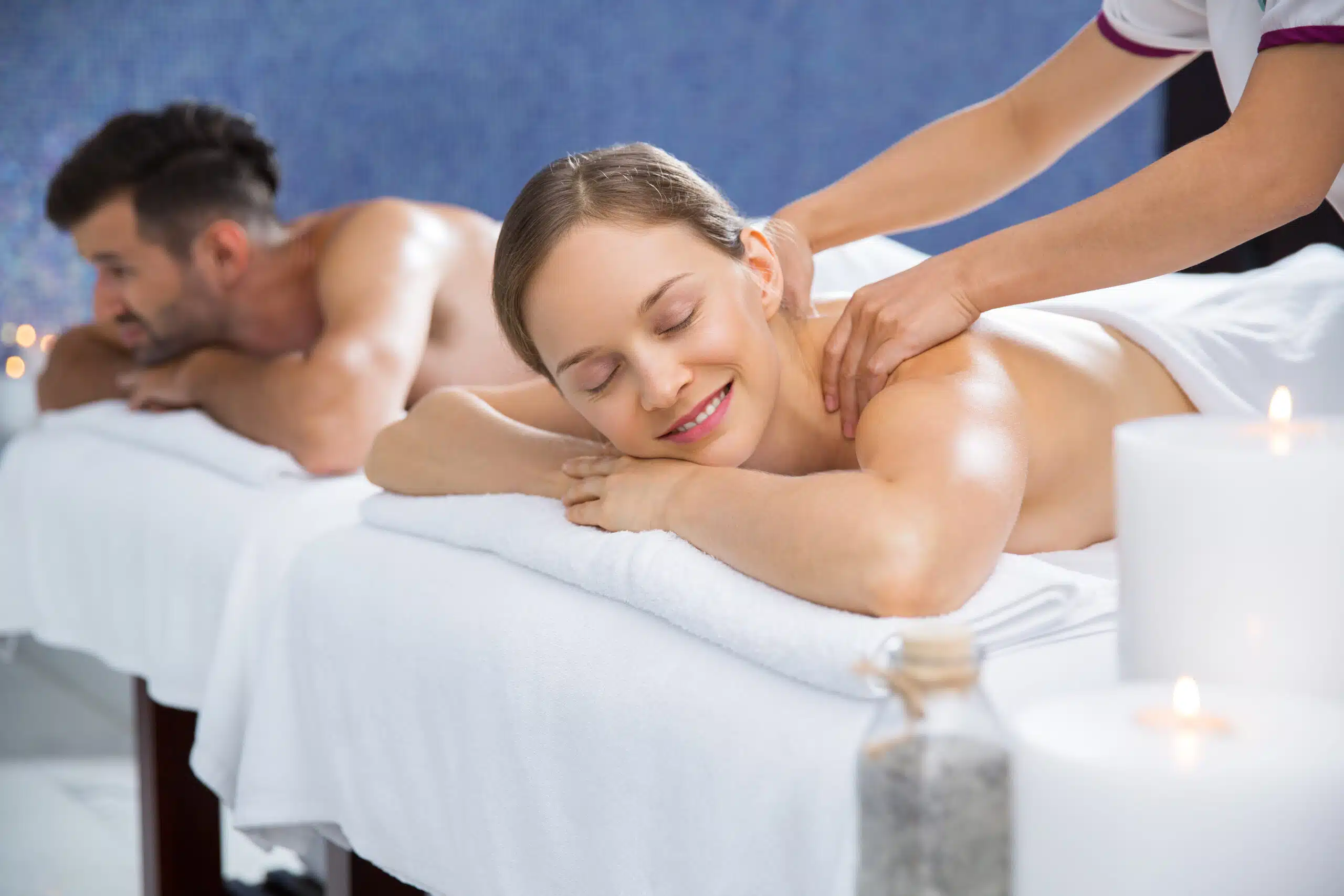
A couples massage is two people receiving simultaneous massages in the same private room, each with their own licensed therapist. Both clients choose their own modality, pressure preference, and focus areas independently. The sessions run at the same time and end together.
This is not a massage where one therapist alternates between two people. Two therapists work in the same room at the same time. The therapeutic work is fully independent for each client. The shared element is the environment and the experience of receiving the work together.
Sessions are available in 50, 80, and 110-minute lengths. Modalities can differ between the two clients. One person may book deep tissue while the other books a lighter Swedish session. Upgrades can also differ between the two.
The Physiological Reason Shared Touch Experiences Matter
When two people share an experience that activates oxytocin, the body's primary bonding hormone, and physical touch is one of the most reliable oxytocin triggers, the effect goes beyond individual benefit. Shared positive physiological experiences synchronize mood states.
Both people enter a parasympathetic recovery mode at the same time. The nervous systems of both partners shift into the same calm, open state simultaneously. This synchronization effect is documented in attachment and relationship research. Partners who regularly share calming, restorative activities show greater emotional attunement and lower reactivity in conflict situations.
A couples massage does not replace relationship work. But it puts both partners in a state of physical calm and openness at the same time, which is a physiological starting point for connection that does not happen when one person is tense and depleted and the other is rested.
Taking Recovery Seriously Together
For active couples, partners who train together, share athletic goals, or simply both deal with physical stress, doing recovery work together normalizes it. The biggest barrier to regular massage for active adults is not cost. It is treating recovery as optional.
When partners book massage together as part of a shared routine, the appointment exists on both calendars. The physical benefit is experienced by both. The pattern becomes sustainable in a way that solo bookings often are not.
Our membership pricing reflects this. When one partner is a member, both receive the member rate in a couples session. A 50-minute couples massage at member rates is $144 total. The standard rate is $240. The membership costs $10 per month with no contract.
The Float Option for Couples
For couples who want to extend the shared recovery, adding a float therapy session after the couples massage is a natural extension. Each person floats in their own private room.
The float is not a shared experience in the same way the massage is. Each person is in their own space with the door under their control. However, the timing is coordinated, and both partners emerge from the float in a similar nervous system state. Many couples report that the combination of couples massage followed by individual floats produces the deepest shared sense of calm they experience together outside of sleep.
Both services are covered under our $10 monthly membership.
What Makes the Experience Work
A few practical points shape the quality of a couples massage session.
Communicate your individual preferences clearly during intake. Both clients fill out their own intake forms. Both clients have their own consultation with their respective therapist. Do not assume your preference matches your partner's. The session is built for each person individually.
Choose the modality that fits your body. One person booking deep tissue and the other booking Swedish is completely normal and works well in the same room.
Arrive together, about 15 minutes early. This gives both of you time for intake and allows the sessions to start and finish at the same time.
If you are booking for a specific occasion, book early. Weekend couples massage slots fill faster than individual bookings, especially during peak gift-giving seasons.
Gift Cards and Occasion Bookings
Couples massage is a natural choice for anniversaries, Valentine's Day, Mother's Day, birthdays, and low-key date nights that need no occasion at all.
Gift cards are available for purchase online and in person and can be applied to any massage or float service. They are a practical option for partners who want to give the experience but prefer to let the recipient choose the timing. Note that gift cards cannot be combined with the membership discount per our policy.
Related Topics:
- Local Review: Natural Healing and Massage Studio in American Fork, Utah
- Seasonal Massage Tips: Summer Relaxation Strategies
Physical tension and mental stress don't operate on separate tracks. They feed off each other in a loop: stress winds up your muscles, those tight muscles send distress signals to your nervous system, and the nervous system pushes stress levels higher in response. A superior relaxation massage theraphy session breaks into that loop at the physical end, which is why people who book sessions regularly tend to feel changes that go well past sore muscles.
This is not about relaxation in the spa-day sense. It is about how hands-on soft tissue work affects the nervous system, hormone levels, and the physical patterns that sustained stress creates in the body over time.
The Link Between Muscle Tension and Mental State
When the body is under chronic stress, the nervous system holds a low-level state of alertness. Muscles stay partially contracted. Breathing shallows. The body burns energy as though preparing for a threat that never fully resolves.
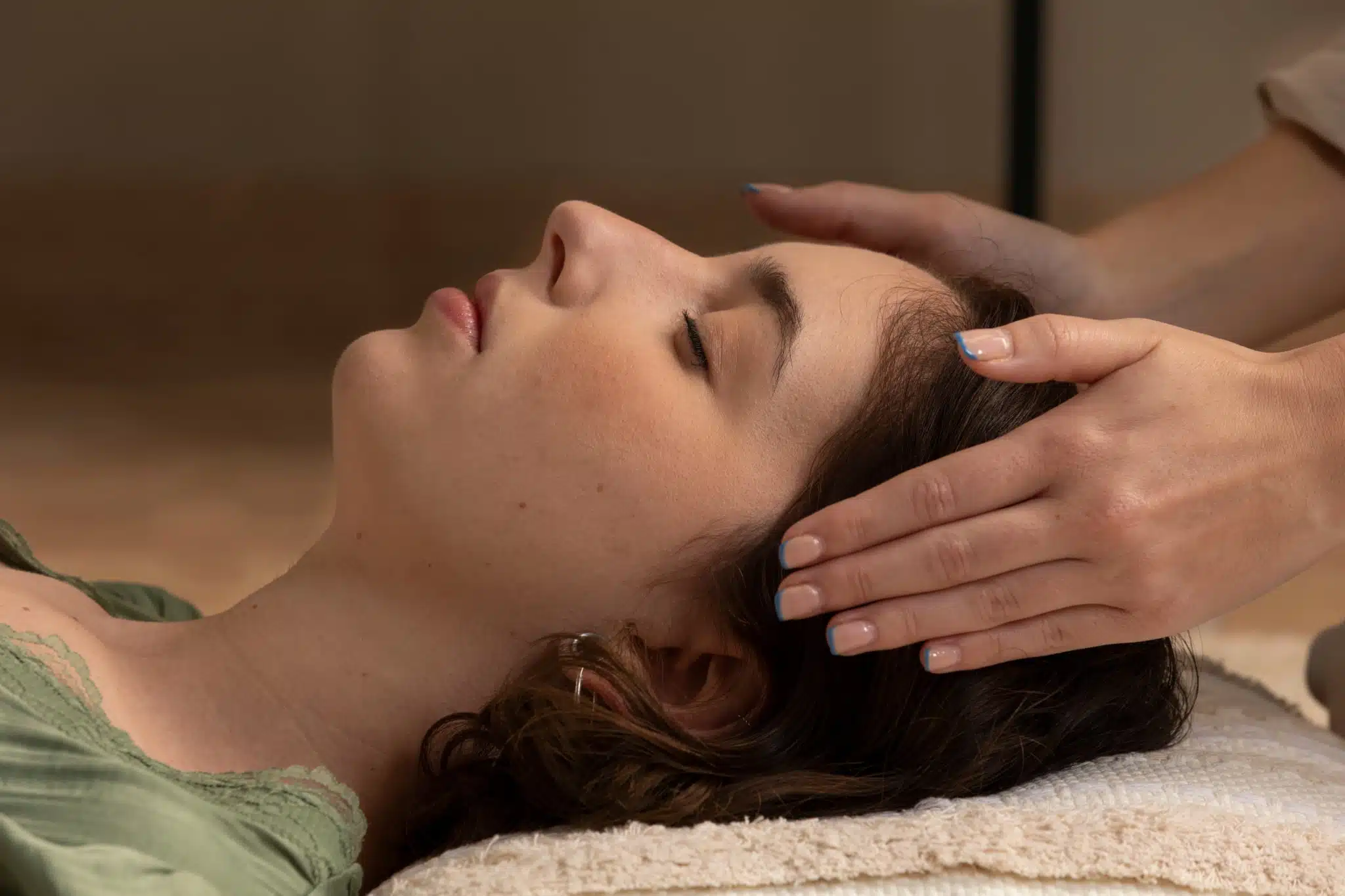
Over time, this shows up physically as chronic neck and shoulder tightness, jaw clenching, tension headaches, and disrupted sleep. Massage therapy addresses this by applying pressure to the soft tissue in a way that signals the nervous system to down-regulate. The physical release of muscle tension and the steady rhythm of therapeutic touch both activate the parasympathetic nervous system, which is the rest-and-digest mode that chronic stress actively suppresses.
What the Research Shows
The National Center for Complementary and Integrative Health documents massage therapy's effects on anxiety, pain, and quality of life across multiple clinical populations. The American Massage Therapy Association publishes ongoing research supporting the role of regular massage in stress management and mental wellness.
Documented effects include reductions in cortisol levels following sessions, increased serotonin and dopamine activity, measurable decreases in self-reported anxiety, and improvements in sleep quality. These are not one-session effects. Clients who maintain a regular schedule see compounding improvement over time. This is part of why we built the $10 monthly membership with no contract: it keeps the barrier to consistent care low enough to sustain a real schedule.
How Massage Affects Stress Hormones
Cortisol is the body's primary stress hormone. In short bursts, it serves a clear purpose. When cortisol stays too high over a sustained period, it disrupts sleep, suppresses immune function, affects mood regulation, and contributes to persistent muscle tension.
Massage therapy has been shown to reduce salivary cortisol levels following sessions. This is a physiological, measurable change. The reduction is most consistent in clients who receive massage regularly rather than sporadically, which aligns with what we observe in clients who commit to monthly or bi-weekly sessions here.
Massage for Anxiety and Sleep
Anxiety often lives in the body as constant physical tension. The jaw stays tight. The shoulders stay raised. The diaphragm stays compressed. Massage works through these physical holding patterns directly, which reduces the felt experience of anxiety even when the source of the stress has not changed.
Sleep disruption is one of the most common secondary effects of chronic stress. Massage's effect on cortisol levels and the parasympathetic nervous system translates directly into improved sleep onset and quality for many clients. Sessions in the late afternoon or evening are particularly effective for this purpose. We are open until 10 PM Monday through Saturday specifically to serve clients who need end-of-day appointments.
How Float Therapy Extends the Mental Health Benefit
For clients dealing with systemic stress and anxiety, float therapy adds a layer that massage alone cannot provide. Float therapy, clinically called Floatation-REST (Restricted Environmental Stimulation Therapy), involves lying in a private room in an open pool of warm Epsom salt water. The body floats effortlessly. Sensory input drops to near zero.
Research from the Laureate Institute for Brain Research found that a single Floatation-REST session produced measurable reductions in anxiety scores in both clinical and non-clinical populations. For clients who carry stress both physically and systemically, combining a massage session with a float on the same or adjacent days produces a compounding effect. The massage addresses the physical tension. The float addresses the nervous system load.
Who Benefits Most
Clients who see the clearest mental health benefit from regular massage tend to be: high-stress professionals carrying tension in the neck, shoulders, and jaw; parents of young children managing chronic sleep deficits; people in or recovering from burnout; and clients with generalized anxiety whose physical symptoms include constant muscular tightness or tension headaches.
These clients are not looking for a one-visit fix. They are coming in because the physical work addresses something real in their bodies. Sessions at Body Balance are built around what is actually happening in the tissue, not a fixed menu.
How Often and What to Expect
For clients dealing with active stress and its physical effects, bi-weekly sessions at the start create the fastest improvement. Monthly maintenance is typical once symptoms stabilize.
Our $10 monthly membership, with no contract, brings a 50-minute massage to $72 per session. Family and friends receive 30% off when booked alongside a member. Visit our pricing and membership page for the full rate breakdown. First-time clients receive 35% off their first session.
Related Topics:
- Why Couples Massage Strengthens Relationships
- Local Review: Natural Healing and Massage Studio in American Fork, Utah
Utah is home to one of the most active athletic communities in the country, which is why expert deep tissue massage has become such a sought-after recovery tool for local athletes. Trail races in the mountains, cycling on the Wasatch Front, CrossFit, BJJ, basketball, triathlon, and soccer all create a training load that is real and sustained. The gap between training hard and recovering well is often where performance breaks down, and that gap is what sports massage is designed to close.
Sports massage is a targeted tool. It is not the same as a relaxation session. It works the muscle groups under the most load, releases restriction before it becomes injury, and supports the systems the body relies on to repair itself between training sessions.
What Sports Massage Actually Does
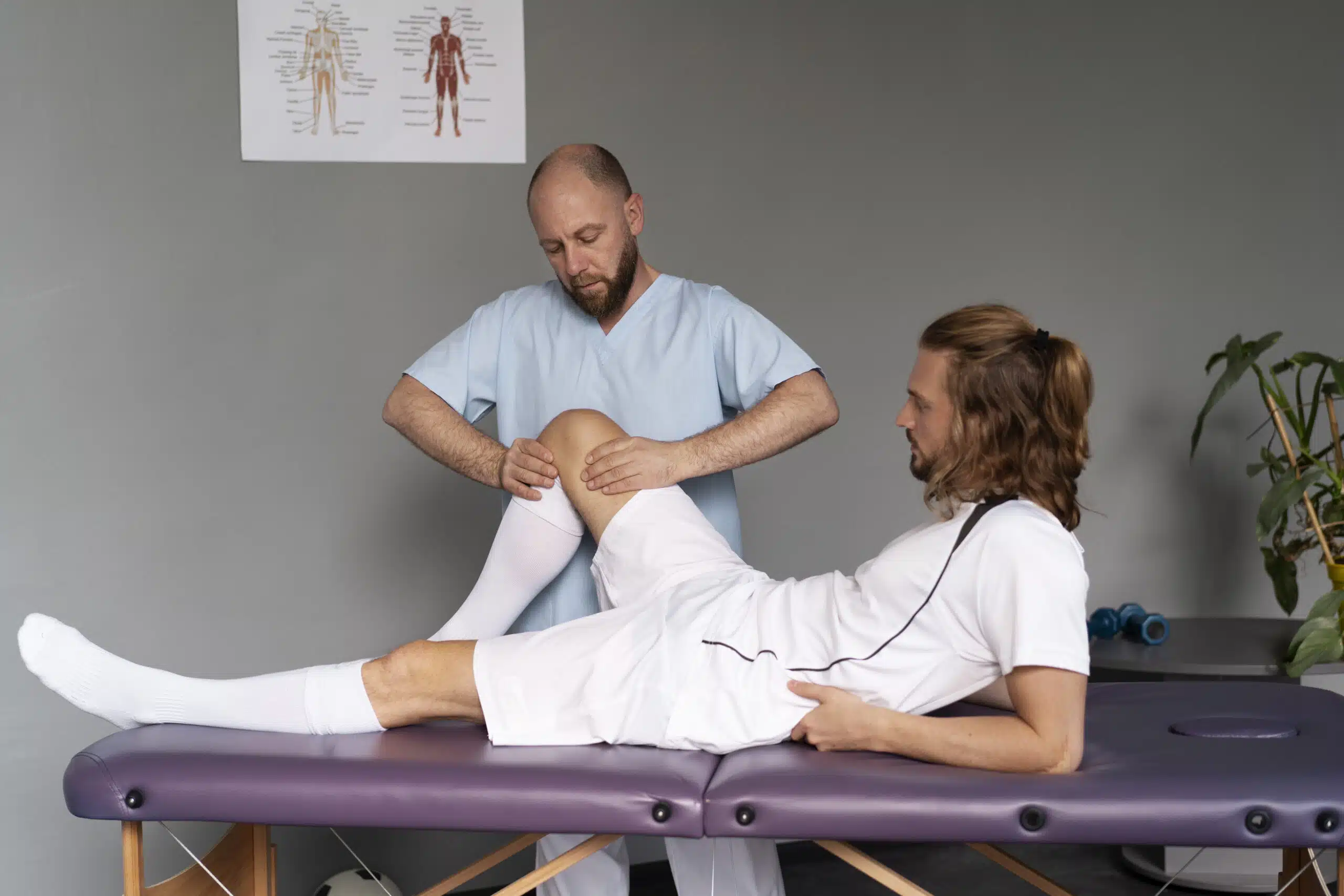
Sports massage applies targeted pressure, friction, and lengthening techniques to muscles that have been repeatedly stressed by training. The goals are specific: improve circulation to fatigued tissue, release adhesions and scar tissue that accumulate over training cycles, reduce trigger points that limit range of motion, and help the body clear metabolic byproducts from muscles more efficiently.
This differs from general therapeutic massage in that the approach is matched to athletic demand. A distance runner and a powerlifter need different work in different areas. The modality adapts based on the athlete's sport, training phase, and current symptoms.
Pre-Event vs. Recovery Massage
Timing shapes what sports massage can accomplish, and the application differs depending on whether you are preparing for an event or recovering from one.
Before a race or competition, the goal is to increase blood flow, reduce any pre-existing tightness that might limit movement, and prepare the nervous system without creating soreness. Pre-event sessions are typically lighter in pressure and shorter in duration. Scheduling in the 3-5 day window before a race or event produces the best timing.
After a heavy training block, race, or competition, the priority shifts to recovery. Post-event massage goes deeper and targets more specifically. The therapist works through accumulated tension, addresses the muscle groups that absorbed the most load, and helps the body move through the repair process more efficiently. These sessions work best when scheduled 24-48 hours after the hard effort.
Float Therapy as a Recovery Companion
Many Utah athletes combine sports massage with float therapy on the same visit or on adjacent days. Float therapy, clinically called Floatation-REST, involves lying in warm Epsom salt-saturated water in a private open pool. The body floats with zero effort. Gravity load disappears for the duration of the session.
Recovery happens faster in a zero-gravity state. Inflammation decreases. The nervous system shifts into deep recovery mode. The Epsom salt (magnesium sulfate) absorbs through the skin and supports muscle relaxation directly.
A 60-minute sports massage followed by a 90-minute float is a common pairing for athletes in the week before a race or after a heavy training block. Both services are covered under our $10 monthly membership with no contract. Member rates: $72 for a 50-minute massage and $40 for a 60-minute float.
Specialty Add-Ons for Athletic Work
Some athletes benefit from add-ons that go beyond standard sports massage techniques.
Cupping uses suction to lift soft tissue and bring blood flow to restricted areas. It is particularly effective for persistent tightness in the IT band, upper back, and shoulders. Gua sha, also called IASTM (Instrument Assisted Soft Tissue Mobilization), uses a smooth instrument to release fascia and break up adhesions along a muscle line. Warm bamboo massage applies heated bamboo tools to deliver deep, broad pressure across large muscle groups.
All three are $25 upgrades available to add to any session.
How Regular Massage Prevents Overuse Injuries
Most training injuries do not happen in one catastrophic moment. They build from accumulated restriction, asymmetry, and compensatory movement patterns that develop when certain muscles get tight and others compensate.
Regular sports massage catches this buildup before it becomes a problem. Clients on monthly or bi-weekly schedules tend to report fewer training interruptions and faster return to performance after hard efforts. The American Massage Therapy Association documents the role of massage in injury prevention across athletic populations.
What to Expect at Your Session
Plan to arrive 15 minutes early to complete an intake form. Tell the therapist your sport, your current training phase, any recent events or upcoming races, and where you are carrying tension or restriction. The therapist will match the modality and pressure level to your goals for that session.
Mild soreness for 24-48 hours after a deep session is normal. Staying hydrated and doing light movement the following day helps clear it faster.
Pricing
Sports massage is priced at our standard session rates: $120 for 50 minutes and $180 for 80 minutes. Members pay $72 and $108 respectively. First-time clients receive 35% off their first session. The $10 monthly membership has no contract and covers both massage and float therapy.
Related Topics:
Massage pricing in Utah County depends on the clinic type, session length, and whether a membership is part of the deal. If you're looking for affordable massage services, this guide breaks down current rates at Body Balance Massage and Float in American Fork, shows how the $10 monthly membership shifts the numbers, and gives you a clear idea of total costs for common service combinations.
All rates listed here are current as of 2026. For the most up-to-date pricing, visit our Pricing and Membership page.

Standard Massage Rates at Body Balance
Our standard massage rates cover every modality we offer, including Swedish, deep tissue, sports, athletic, prenatal, trigger point, cranial sacral, Lomi Lomi, hot stone, four hands, couples, combo, reflexology, and more.
- 50-minute massage: $120
- 80-minute massage: $180
- 110-minute massage: $240
Specialty upgrade add-ons are priced separately: cupping, gua sha (IASTM), or warm bamboo are +$25; magnesium treatment, aromatherapy, or premium towel are +$10; essential oil (REVIVE therapeutic-grade) or herb-infused oil are +$15.
Float Therapy Rates
Float therapy sessions run in 60, 90, and 120-minute lengths. Our float pools are open, not enclosed pods or sensory deprivation tanks. Each session takes place in a private room.
- 60-minute float: $80
- 90-minute float: $120
- 120-minute float: $160
Both massage and float therapy are covered under the same membership, which is unusual in this category. Most national chains like Massage Envy cover massage only, with no float option included.
How the $10 Monthly Membership Changes the Rates
The $10 monthly membership applies to both massage and float therapy with no contract and no cancellation fee.
Member massage rates: 50 minutes at $72 (down from $120), 80 minutes at $108 (down from $180), 110 minutes at $144 (down from $240).
Member float rates: 60 minutes at $40 (down from $80), 90 minutes at $60 (down from $120), 120 minutes at $80 (down from $160).
The membership also includes one complimentary cupping, gua sha, or warm bamboo upgrade with every massage session, plus one free $10 or $15 upgrade per session. Family and friends booked alongside a member receive 30% off. Retail products are 10% off for members.
How the Savings Stack Up
For one 50-minute massage per month: you save $48 on the session, minus the $10 membership fee. Net monthly savings: $38. Over a year, that works out to $456 in net savings.
For one 60-minute float per month: you save $40 on the session, minus the $10 fee. Net monthly savings: $30. Over a year, that is $360 in net savings.
For one massage and one float per month: the combined standard rate is $200. The combined member rate is $112. Monthly savings: $88, minus $10 for the membership. Net monthly savings: $78. Over a year, that is $936 in net savings.
No contract means you can cancel at any time with no penalty.
First-Time Client Pricing
If you have never visited Body Balance, your first session comes with a discount: first massage at 35% off, bringing a 50-minute session to approximately $78; first float at 25% off, bringing a 60-minute session to $60.
This applies once per service type. You do not need to join the membership to use the first-time discount.
What the Total Cost Looks Like for Common Combinations
For a first-time client booking a 50-minute deep tissue massage with cupping: $120 + $25 upgrade = $145. With the 35% first-time discount on the base session: approximately $78 + $25 = $103.
For a member booking the same session: $72 base. Cupping is complimentary with the membership. Total: $72.
For a member booking a 50-minute massage plus a 60-minute float: $72 + $40 = $112, plus $10 for that month's membership. Total: $122, compared to $200 at standard rates.
For a couples massage: standard is $240 ($120 per person). If one person is a member, both receive the member rate: $144 total, plus $10 for the membership.
Cancellation and Policy Notes
Changes and cancellations require 24 business hours notice. Same-day cancellations or no-shows are charged 50% of the appointment cost. Gift cards cannot be combined with membership discounts. Retail product sales are final; goods can be exchanged for store credit.
Related Topics: