Waking up tired is not always a sleep problem. Many people who log adequate hours still wake up stiff, heavy, and slow to function. The issue is often in the tissue, not the clock. Chronic muscle tension restricts circulation, disrupts recovery during sleep, and keeps the nervous system in a low-grade stress state that prevents truly restorative rest. For residents dealing with this pattern, efficient massage in American Fork has proven to be one of the more practical ways to break that cycle.
Massage addresses several of the physical mechanisms that drive poor morning energy, and the effects compound with regular treatment.
Muscle Tension and Sleep Quality
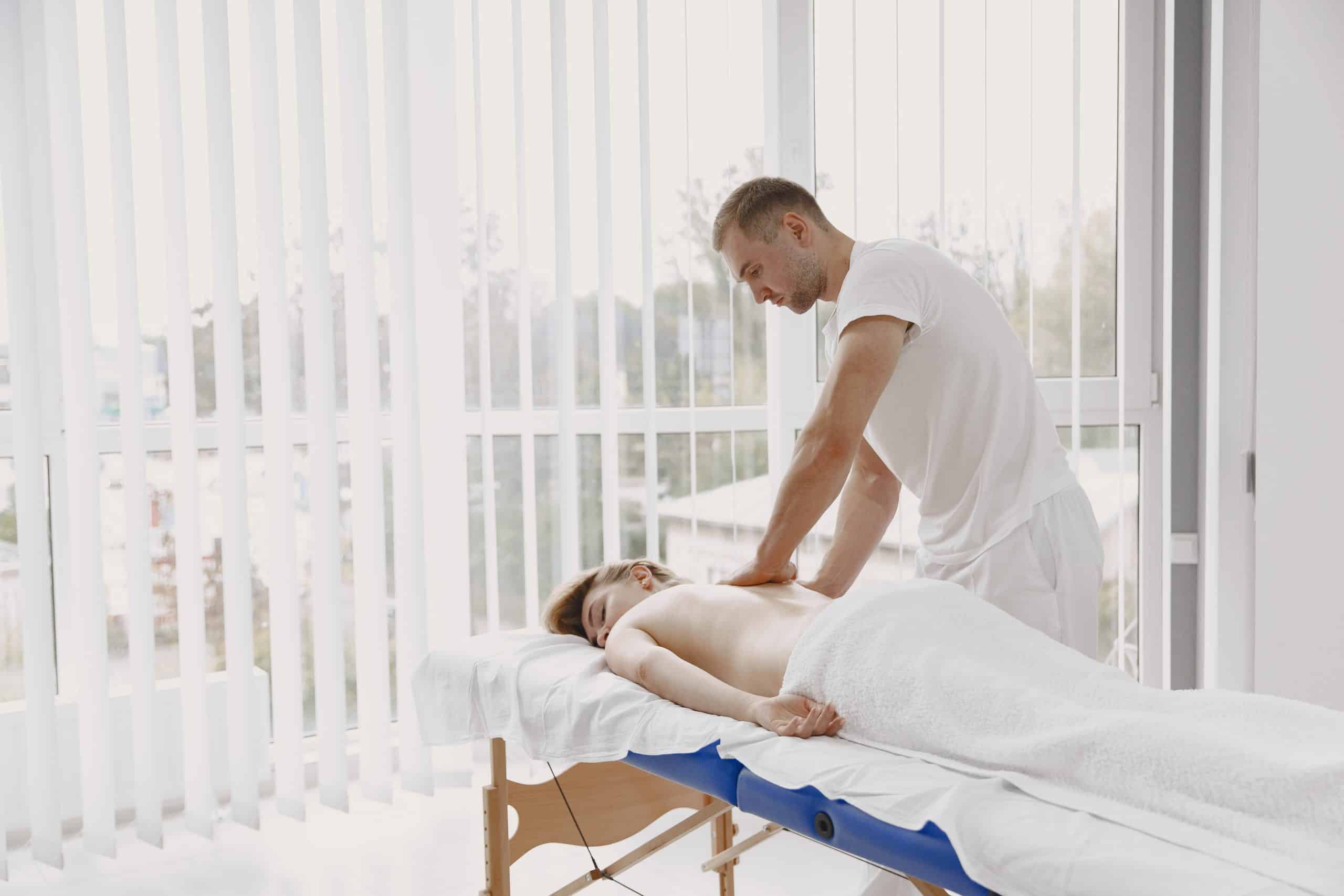
The body continues processing physical tension during sleep. Muscles that are chronically tight require ongoing neural activity to maintain that tension, which means the nervous system never fully powers down even when you are unconscious.
This is why people with significant upper back, neck, or shoulder tension frequently wake up feeling like they did not rest. The muscles were not at rest during the night. They were contracted, and the brain was managing that contraction throughout the hours you spent in bed.
Therapeutic massage reduces resting muscle tension, which allows the nervous system to actually recover during sleep rather than maintaining a holding pattern. Clients who begin regular massage frequently report improved sleep quality within a few sessions, before they notice any other changes.
Circulation and Morning Stiffness
Morning stiffness, the groggy, locked-up feeling in the first 30 to 60 minutes after waking, is largely a circulation problem. Fluid pools in the joints and surrounding tissue during rest, and restricted circulation means it takes longer for normal movement to clear that pooling and restore function.
Deep tissue massage and sports massage improve tissue circulation and reduce the fascial restriction that slows fluid exchange. Clients who get regular massage consistently report that the morning stiffness window shortens over time. Mornings get easier as a secondary benefit of treating the tissue.
Specialty modalities like cupping are particularly effective here. Cupping uses suction to increase blood flow in deeper tissue layers and release adhesions that restrict fluid movement. For clients with chronic stiffness in specific areas, adding cupping to a session often produces faster and more lasting improvement than massage alone.
The Nervous System and Waking Energy
The autonomic nervous system controls the balance between alertness and rest. When chronic stress keeps the body in a low-level sympathetic state, the transition from sleep to wakefulness is sluggish because the system never fully made the transition to rest the night before.
Float therapy is one of the most direct interventions for this pattern. Floating in our open pool removes virtually all sensory input, which gives the nervous system a true reset rather than a partial one. Cortisol levels drop measurably. The brain shifts into a theta wave state associated with deep rest and creativity. Most clients report that sleep quality in the nights following a float is noticeably better, and the improvement in morning alertness follows naturally.
For clients who combine regular massage with periodic float sessions, the improvement in morning energy tends to be the change they notice most clearly, even when they originally came in for pain or tension.
The Magnesium Connection
Magnesium plays a direct role in both muscle relaxation and sleep regulation. It supports the production of GABA, a neurotransmitter that promotes calm and sleep onset, and it is involved in numerous enzymatic processes that affect energy metabolism.
Many adults are low in magnesium, particularly those who exercise regularly or carry significant stress. The magnesium upgrade available at our clinic adds transdermal magnesium to your session, absorbed through the skin during treatment. Paired with a relaxation or therapeutic massage, it supports both the physical recovery of the tissue and the neurological conditions that make sleep more restorative.
This upgrade is $10, or included free at every session for members.
Building a Routine That Compounds
The improvements in morning energy from massage are not typically dramatic after a single session, though some clients do notice an immediate shift in sleep quality. The stronger effect comes from consistency.
Monthly massage as part of a regular wellness routine is enough for many clients to sustain improved sleep and morning function. For clients dealing with more significant chronic tension or stress, biweekly sessions in the early period of treatment, transitioning to monthly maintenance, tends to produce the most lasting change.
Our membership is designed for this pattern: $10 per month, no contract, 40% off every massage session and 50% off every float session. For clients who want to treat energy and sleep quality as a health priority rather than an occasional treat, the membership makes regular care genuinely sustainable.
Related Topics:
The honest answer is: it depends on why you are coming in.
Frequency is not one-size-fits-all. A runner preparing for a race needs a different schedule than someone managing chronic neck pain. Someone dealing with anxiety has different needs than someone who simply wants to stay ahead of tension before it builds into a problem. Getting the frequency right matters because the right schedule produces compounding results. The wrong one means you keep starting over.
Our highly-rated massage services in American Fork work with clients across all of those situations. What follows is a practical breakdown by goal.
How Often Should You Get a Massage for Chronic Pain?
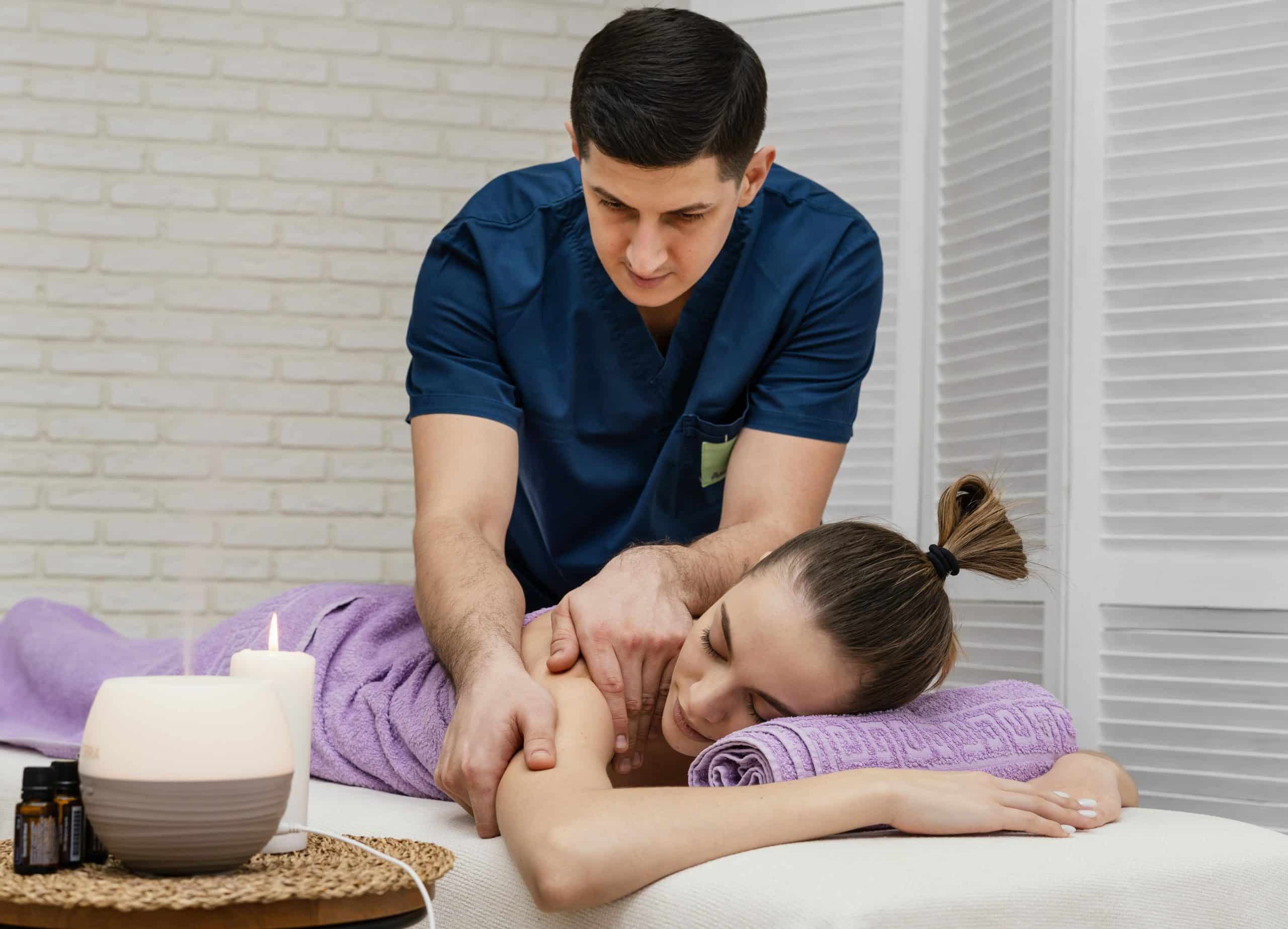
For chronic pain, whether that is lower back tension, recurring headaches, hip tightness, or stiff shoulders, consistency produces better outcomes than any single session.
Most clients dealing with long-standing pain see the most meaningful progress with biweekly sessions for the first four to six weeks, then monthly maintenance once the tissue starts responding. One session can provide relief. But chronic conditions often involve layers of restriction that have built up over months or years. Working through them takes time and repetition.
Our therapists assess the source of your pain at every visit, not just the area where it hurts, but the connected tissue and muscle groups that may be driving the problem. Techniques like deep tissue massage, trigger point therapy, and cupping are particularly effective for chronic presentations. That assessment shapes how frequently we recommend you come back.
How Often Should Athletes Book a Massage?
For athletes and active adults, runners, cyclists, gym-goers, recreational sports players, the timing of massage matters as much as the frequency.
During active training, once every one to two weeks keeps soreness from compounding and maintains range of motion. During race or competition prep, one session five to seven days before an event is generally better than the day before, which can leave muscles feeling worked rather than ready. Post-event recovery benefits from one session within 48 to 72 hours of a race or heavy effort.
We offer sports massage combined with Gua Sha or cupping for athletes who need deeper recovery work. Members receive a complimentary specialty modality at every visit, which makes regular sports recovery significantly more affordable.
How Often Should You Float for Stress or Anxiety?
Float therapy works on a cumulative basis. First-time floaters often notice a meaningful shift in mood and tension after a single session, but the effects tend to deepen and last longer with regular use.
For stress and anxiety management, most clients find that two sessions per month produces consistent, noticeable results. Once per month is a reasonable starting point if you are new to floating.
Our float pools are open pools, not enclosed pods. That matters for clients who have avoided float therapy because of claustrophobia. There is no lid. No enclosure. You float in an open room with full control over your environment. Researcher Dr. Justin Feinstein has noted that open-air pool design removes the claustrophobia barrier entirely, making float therapy accessible to anxious populations who would not tolerate an enclosed pod.
What Is the Right Frequency for General Wellness?
If you do not have a specific complaint but want to keep your body in good condition, once a month is a solid baseline. Monthly massage prevents tension from building to the point where it becomes pain, supports circulation, and helps the body stay more resilient over time.
Our membership is built specifically for this. At $10 per month with no contract, it brings a 50-minute session down to $72 and includes a free specialty modality and one free upgrade at every visit. For clients coming in once or twice a month, the savings are immediate and the math is simple.
Signs You Should Come In More Often
A few indicators that your current frequency may not be enough:
Tension returns fully within a week of your last session. Pain keeps cycling back to the same location. Sleep is consistently poor or you are waking up stiff. You are training intensively and not recovering between sessions.
When tension keeps cycling back at the same rate, that usually means the underlying restriction has not been fully addressed. Coming in more frequently for a defined period of time, then spacing out once improvement holds, is often more effective than staying at one session per month indefinitely.
Frequently Asked Questions
How long does it take to see results from regular massage? For acute tension, many clients notice a difference after one session. For chronic pain or long-standing restrictions, most clients report meaningful improvement after two to four consistent sessions. Your therapist can give you a more specific expectation after the first session assessment.
Is it safe to get a massage every week? Yes, for most people. Weekly massage is appropriate during active recovery periods, high-stress stretches, or intensive training blocks. Our therapists advise on timing and technique based on how your body is responding at each visit.
What is the most affordable way to get regular massage in American Fork? Our membership brings a 50-minute session down to $72 with a complimentary specialty modality included at no extra cost. At $10 per month with no contract, it is designed for clients who want regular care without paying full rate each time.
Should I combine massage and float therapy? For stress, recovery, and pain management, yes. Booking a massage followed by a float on the same day, or on adjacent days, produces results that neither service alone consistently achieves. The massage addresses the tissue directly. The float allows the body to process and recover deeply.
How do I book a session in American Fork? Schedule online or call us at (801) 855-5834. We are open Monday through Saturday, 9AM to 10PM, at 366 S 500 E St Suite B, American Fork, UT. First-time clients receive 35% off their first session.
Contact Us
Ready to experience deep relaxation and healing? Reach out to Body Balance Massage and Float today.
Phone Number: (801) 855-5834
Email Address: Clinic@BodyBalanceAF.com
Physical Address: 366 S 500 E Suite B, American Fork, UT 84003
Hours:
- Monday–Saturday: 9:00 AM – 10:00 PM
- Sunday: Closed
DIRECTIONS: We are located just 30 seconds off the freeway in Suite B on the north side of the building. We have a dedicated parking lot, so feel free to park wherever you like and use the front entrance on 500 East. originate within
Related Topics:
Managing chronic pain without relying solely on medication or invasive procedures is a realistic goal for many people. It requires a combination of approaches that address the tissue, the nervous system, and the underlying triggers of pain. Effective pain relief massage, like magnesium therapy, plays a key role in this combination when applied correctly.
What Non-Invasive Pain Management Means
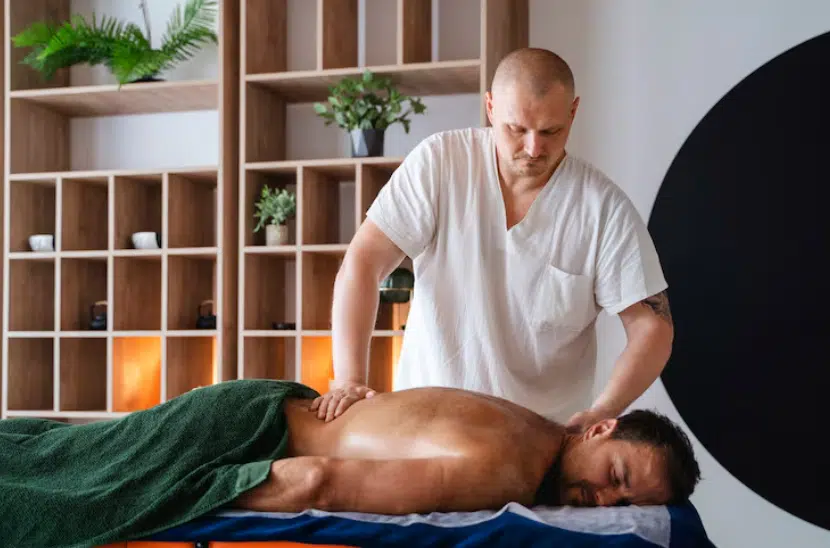
Non-invasive pain management covers any approach that addresses pain without surgery, injections, or pharmaceutical intervention. It includes physical therapy, exercise, massage, acupuncture, chiropractic care, thermal therapies, and lifestyle changes.
No single modality resolves chronic pain on its own. The most effective non-invasive approaches are used in combination, each targeting a different mechanism of the pain cycle.
The Pain Mechanisms Magnesium Massage Addresses
Chronic pain rarely has a single source. For most clients, it involves a combination of three overlapping problems.
Muscle hypertonicity (persistent contraction): Muscles that cannot fully release create sustained pressure on nerves, joints, and surrounding tissue. This perpetuates pain independent of the original cause.
Inflammation: Chronic low-level inflammation sensitizes pain receptors and keeps the nervous system in a heightened state. The pain threshold drops, and normal sensations register as pain.
Poor circulation to damaged tissue: Inadequate blood flow to chronically tight or injured areas slows repair and prolongs pain signals.
Magnesium addresses all three. Applied topically during massage, it supports muscle relaxation by facilitating the release phase of the contraction cycle. It inhibits inflammatory pathways through its role in regulating calcium channels and immune function. And the mechanical effects of massage itself improve circulation to tissue that has been chronically underperfused.
Where Magnesium Massage Fits in a Pain Management Plan
Magnesium massage works best as part of a layered protocol, not as a standalone treatment.
After acute inflammation resolves: Once any active flare has calmed, therapeutic massage with magnesium targets the mechanical contributors to pain: muscle hypertonicity, adhesions, and restricted movement.
Paired with float therapy: Open-pool float therapy extends the work done in a massage session. Body Balance's open float pools remove gravitational pressure from painful joints and muscles for 60 to 120 minutes, allowing the nervous system to reset after targeted tissue work.
Sustained through membership: Chronic pain is rarely resolved in one or two sessions. Regular visits supported by the $10/month membership sustain results over time. The tissue and nervous system need consistent input to reestablish normal function.
Combining Magnesium Massage with Other Modalities
For clients managing chronic pain, Body Balance therapists routinely combine techniques within a single session.
Deep tissue with magnesium: Reaches deeper muscle layers where chronic tension lives, with magnesium enhancing the tissue release throughout the session.
Cupping therapy with magnesium: Cupping lifts tissue to increase blood flow and break up adhesions, with magnesium applied to the treated area to support the inflammatory response.
Gua sha (IASTM) with magnesium: Instrument-assisted soft tissue work breaks up scar tissue and fascial restriction, with magnesium supporting recovery in the treated area afterward.
Each of these is available as a standalone or combined session. Specialty modalities (cupping, gua sha, warm bamboo) are $25 as add-ons or included free with the membership.
Who Should Consider Magnesium Massage for Pain Management
Clients who benefit most include those with chronic back and neck pain that has not resolved with standard massage alone, fibromyalgia or widespread muscle pain, repetitive strain injuries, post-surgical tension, and anxiety-related muscle guarding that contributes to physical pain.
Booking a Pain Management Session in American Fork
Body Balance Massage and Float serves clients with chronic pain across Utah County and the Wasatch Front. All therapists are licensed (LMT) in Utah and assess each client's condition at intake to build a session specifically around their pain pattern.
First-time clients receive 35% off their first massage. The $10/month membership (no contract) brings sessions to $72/hour with a free upgrade included per visit. Book a session online anytime.
Book online at bbmassageandfloat.com/booking or call (801) 855-5834. Open Monday through Saturday, 9 AM to 10 PM.
Frequently Asked Questions
Q: Is magnesium massage a replacement for pain medication? A: No. Magnesium massage is one component of a non-invasive pain management approach. It is not a substitute for medical care. Clients managing chronic pain with medication should discuss complementary therapies with their physician.
Q: How many sessions do I need before seeing results for chronic pain? A: Most clients with chronic pain notice some reduction in tension after a single session. Meaningful, lasting results typically develop over three to six sessions spaced consistently over several weeks.
Q: Can I combine magnesium massage with cupping or gua sha? A: Yes. Combining them in the same session is common at Body Balance. The techniques work through different mechanisms and complement each other for pain relief and tissue repair.
Q: Is float therapy helpful for chronic pain? A: Yes. The zero-gravity environment of open float pools removes all pressure from painful joints and muscles for the duration of the session. Many chronic pain clients report significant relief that persists for several days following a float. Regular floating as part of a pain management routine produces compounding results.
Q: Is magnesium massage safe for older adults with chronic pain? A: Yes. The technique is gentle in delivery while being therapeutically effective. Topical magnesium is well-tolerated. Therapists at Body Balance adjust pressure and technique for each client's condition and comfort.
Related Topics:
Sports massage is not the same as rest. And for most injury recovery situations, rest alone is not enough. When soft tissue is injured, whether that is a muscle strain, a pulled tendon, or repetitive stress damage, the body begins laying down scar tissue as part of the repair process. That scar tissue is less organized and less flexible than the original tissue. Without targeted intervention, it can restrict movement, create new pain points, and increase the risk of re-injury. Top sports massage therapy targets these issues to restore mobility and speed recovery.
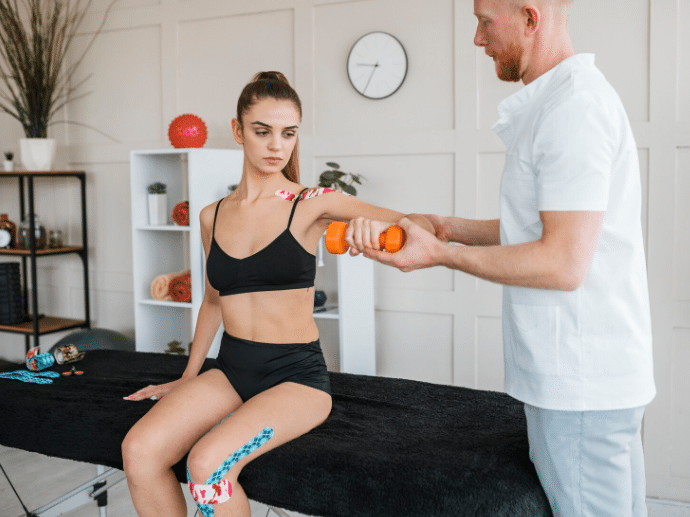
What Sports Massage Does to Injured Tissue
Sports massage uses a combination of compression, targeted pressure, cross-fiber friction, and stretching techniques applied to the specific muscle groups involved in the injury. These techniques increase blood flow to the damaged area, break up disorganized scar tissue as it forms, and help restore normal fiber alignment in the muscle.
The result is tissue that heals with better structural integrity, moves more freely, and is less likely to develop into a chronic problem. This is the practical difference between athletic recovery supported by sports massage and recovery that relies on rest and time alone.
Why Rest Alone Is Not Enough
Rest prevents further damage during the acute phase. It does not actively improve tissue quality. Passive rest does not increase circulation to the damaged area, break up adhesions, or restore range of motion.
Sports massage works actively on the tissue. It is not a replacement for the rest of your body's needs in the first 48 to 72 hours after injury, but it is a meaningful addition once the acute inflammatory phase has passed. Athletes who incorporate sports massage into recovery consistently return to training faster and with fewer lingering compensation patterns than those who rely on rest alone.
Which Injuries Respond Best to Sports Massage
Muscle strains (grades one and two): Targeted pressure and cross-fiber friction reduce adhesion formation and restore muscle fiber alignment.
Tendinitis and tendinopathy: Repeated stress injuries to tendons respond well to sports and athletic massage combined with gua sha (IASTM), which applies targeted instrument-based pressure to break up degenerated tissue.
Overuse injuries: IT band syndrome, shin splints, and rotator cuff issues all involve repetitive strain patterns that sports massage can address directly in the affected musculature.
Post-competition soreness: Sports massage after events reduces delayed onset muscle soreness and accelerates the recovery window between competition days.
Adding Cupping to Sports Massage for Better Results
Cupping therapy is a strong complement to sports massage for injury recovery. Suction cups applied to the affected area lift soft tissue rather than compressing it, pulling blood flow into deeper layers, and releasing fascial adhesion in a way that pressure alone cannot replicate.
For athletes dealing with stubborn overuse injuries or chronic tightness in a specific area, combining sports massage with cupping in the same session addresses both the muscular component and the deeper fascial restriction. At Body Balance, cupping is available as a $25 add-on to any sports massage session or included at no additional cost with the $10/month membership.
Sports Massage at Body Balance in American Fork
Body Balance Massage and Float serves athletes and active adults across Utah County from American Fork, Lehi, Orem, Provo, Pleasant Grove, and the broader Wasatch Front. All massage therapists are licensed (LMT) in the state of Utah and trained in sports-specific techniques.
Sessions begin with an assessment of the injury, the muscles involved, and the stage of recovery. Technique selection is based on what the tissue actually needs, not a standardized protocol. First-time clients receive 35% off their first session. Book a sports massage session online or review pricing and membership options.
Book online at bbmassageandfloat.com/booking or call (801) 855-5834. Open Monday through Saturday, 9 AM to 10 PM.
Frequently Asked Questions
Q: When can I start sports massage after an injury? A: Light sports massage on areas surrounding the injury can begin within a few days of acute injury. Direct work on the injured tissue typically becomes appropriate after 72 hours, once initial swelling subsides. Deeper techniques are introduced as the tissue moves through the subacute and remodeling phases.
Q: Is sports massage different from deep tissue massage? A: They share techniques but serve different purposes. Deep tissue massage addresses chronic tension in deeper muscle layers. Sports massage is calibrated to the specific demands of athletic activity, targets movement patterns, and focuses on the muscles most involved in the sport or injury.
Q: Can I get sports massage as a preventive measure, not just for injury? A: Yes. Many athletes schedule regular sports massages between training cycles to maintain tissue quality, prevent adhesion buildup, and reduce injury risk. For athletes in heavy training, monthly sessions are a reasonable minimum.
Q: Does sports massage hurt? A: Some techniques involve firm pressure that produces a sensation of productive discomfort in tight or damaged tissue. Your therapist at Body Balance will check in throughout the session and adjust pressure to your tolerance. Post-session soreness, similar to the feeling after a hard workout, is normal for 24 to 48 hours.
Q: What is the difference between sports massage and physical therapy? A: Physical therapy focuses on rehabilitation, functional movement, and medical recovery protocols. Sports massage focuses on soft tissue quality, circulation, and muscular recovery. The two are complementary, and many athletes work with both.
Related Topics:
Not every injury calls for firm pressure. And not every injury needs a gentle approach either. Matching the technique to the tissue state is what separates therapeutic massage sessions that produce results from those that cause setbacks.
Here is a clear breakdown of which injuries respond well to firm massage, which require a lighter approach, and how to tell the difference before you book.
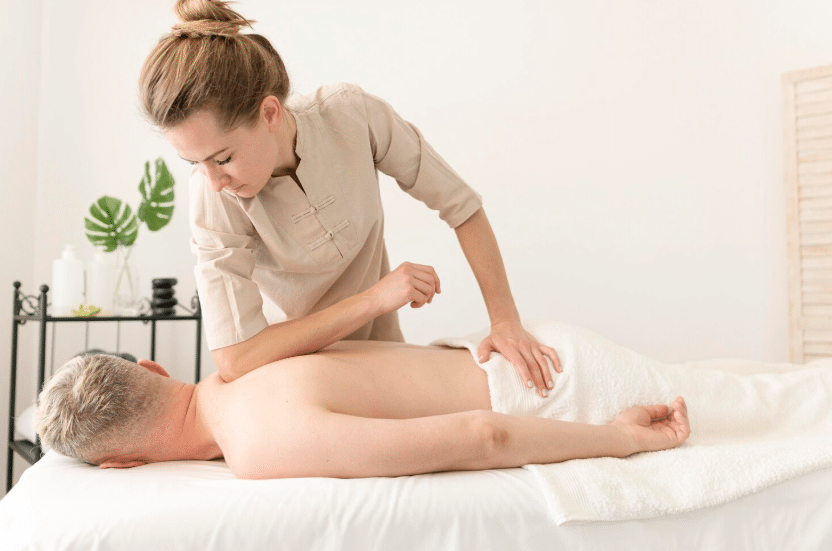
What "Firm Massage" Actually Means
Firm massage is not just pressing harder. It refers to techniques that target deeper layers of muscle tissue, fascia, and connective tissue. Deep tissue massage, trigger point therapy, gua sha (IASTM), and cupping all fall under this category, though each works differently.
What makes them "firm" is the depth of tissue engagement and the intent: these techniques are designed to reach below the superficial muscle layer to address the structures where chronic tension, scar tissue, and restricted movement originate.
Injuries That Respond Well to Firm Massage
Chronic muscle strains: Once the acute inflammatory phase has passed (typically 72 hours or more post-injury), chronic muscle strains benefit from deep tissue and trigger point work. Firm pressure breaks up adhesions and restores normal muscle fiber alignment.
Scar tissue from old injuries: Healed injuries that left behind restricted movement or persistent tightness are well-suited to gua sha/IASTM. The instrument-based technique applies directed pressure along muscle fibers to break up organized scar tissue that hands alone cannot reach effectively.
Tendinopathy: Chronic tendon issues, including Achilles tendinopathy, patellar tendinopathy, and rotator cuff tendinopathy, respond to firm cross-fiber friction and IASTM techniques that stimulate tissue remodeling.
IT band syndrome and overuse injuries: Repetitive strain injuries along the IT band, hip flexors, and lower leg benefit from deep tissue work combined with cupping therapy to release fascial compression.
Trigger points: Specific hyper-irritable spots in muscle tissue that refer pain to other areas of the body require sustained firm pressure to release. Trigger point therapy uses targeted, held pressure directly on the trigger point until the tissue lets go.
When Firm Massage Is Not Appropriate
Acute injuries (within 72 hours): Fresh strains, sprains, and contusions involve active inflammation. Firm pressure during this phase increases swelling and delays healing.
Suspected fractures or tears: Any injury with significant bruising, instability, or loss of function requires medical evaluation before massage.
Active infections or skin conditions: Open wounds, infected tissue, or active inflammatory skin conditions are contraindications to local massage work.
Blood clotting conditions: Anyone on blood thinners or with a history of deep vein thrombosis should consult a physician before receiving deep tissue work.
How to Tell What Your Injury Needs
Two questions help clarify the right approach before booking.
How old is the injury? If it happened in the last 72 hours, start gently. If it is several weeks old or a recurring problem, firm techniques are likely appropriate.
Is there active swelling? Active swelling signals active inflammation. That is a sign to delay firm work until the swelling has resolved.
If you are not sure, the therapists at Body Balance conduct a full intake assessment before every session. You do not need to self-diagnose before booking.
Firm Massage Options at Body Balance in American Fork
Body Balance offers deep tissue massage, trigger point therapy, gua sha/IASTM, and cupping as both primary services and specialty add-ons to any session. All sessions are customized based on the therapist's assessment of the injury and current tissue state.
Specialty modalities (cupping, gua sha, and warm bamboo) are available for $25 per session or included free with the $10/month membership. First-time clients receive 35% off their first session. Book a massage session or review our massage and float therapy membership options.
Book online at bbmassageandfloat.com/booking or call (801) 855-5834. Open Monday through Saturday, 9 AM to 10 PM.
Frequently Asked Questions
Q: Is deep tissue massage safe for a recent injury? A: Not in the first 72 hours for direct work on the injured area. Once the acute phase passes, deep tissue massage supports healing by improving circulation and reducing scar tissue formation.
Q: What is the difference between deep tissue and trigger point therapy? A: Deep tissue massage works through broad layers of muscle to release chronic tension. Trigger point therapy is more targeted, applying sustained pressure to specific hyper-irritable points that cause referred pain elsewhere in the body.
Q: Can cupping replace deep tissue massage for injuries? A: They work differently. Deep tissue uses compression; cupping uses suction. Both reach deep tissue but through opposite mechanisms. For many injuries, combining both in the same session produces results that neither achieves alone.
Q: Will a firm massage hurt? A: Firm techniques applied to tight or damaged tissue produce a sensation of productive discomfort, a feeling of pressure in areas of restriction. This is different from sharp or searing pain, which is a signal to stop. Your therapist at Body Balance monitors your response throughout every session.
Q: How do I know if gua sha is right for my injury? A: Gua sha is most useful for injuries involving scar tissue, restricted range of motion, or persistent tightness in a specific area. It is particularly effective for tendon issues and old strains that have not fully resolved with standard massage.
Related Topics:
Timing and technique both matter when using massage for injury recovery. Starting too early with the wrong approach extends recovery. Starting at the right phase with the right technique shortens it. A relaxing massage experience at the appropriate time can accelerate healing and improve comfort.
This guide walks through what happens in injured tissue at each stage of healing and tells you exactly when massage is appropriate, what kind to get, and what to avoid.

What Happens in Your Body After an Injury
When soft tissue is damaged, the body responds in three sequential phases that each call for a different approach.
Inflammatory phase (days zero to three): Blood vessels dilate, immune cells flood the area, and swelling develops. This phase is a necessary part of repair, not a problem to push through. Massage that disturbs this process disrupts organized healing.
Subacute phase (days four to 21): Inflammation decreases, new tissue begins forming, and scar tissue is laid down. Circulation improves. This is the phase where massage can meaningfully influence how the tissue heals.
Remodeling phase (three weeks to 12 or more months): New tissue matures and strengthens. Poorly organized scar tissue restricts movement and creates secondary problems. Targeted massage in this phase improves tissue quality and restores normal function.
The First 72 Hours: What to Avoid
During the inflammatory phase, direct massage on the injured area typically makes recovery worse. Heat, pressure, and manipulation increase inflammation in tissue that is already under repair.
What you can do during the first 72 hours: rest, ice, elevation, and careful movement if pain allows. A licensed therapist can work on surrounding muscle groups during this window to reduce compensatory tension, but the injury site itself should be left alone.
Days Four to 21: When Massage Starts to Work
Once the acute phase resolves, massage becomes one of the most effective tools available for recovery. In the subacute phase, the goals shift from protecting the tissue to actively guiding how it heals.
Light to moderate therapeutic massage improves circulation to the healing area. Sports massage reduces muscle guarding and compensation patterns that develop when the body protects an injured site. Cupping therapy applied around the injury supports lymphatic drainage and reduces early scar tissue formation. Trigger point therapy addresses referred pain patterns that arise when surrounding muscle groups over-contract in response to the injury.
Three Weeks and Beyond: Addressing Scar Tissue
The remodeling phase is where most people either make a full recovery or develop lasting restrictions. Scar tissue laid down during healing is denser and less organized than original muscle fiber. Without intervention, it reduces the range of motion and sets the stage for re-injury.
Deep tissue massage, gua sha (IASTM), and targeted cupping are most effective in this phase. These techniques break up poorly organized scar tissue, restore tissue alignment, and address the movement restrictions that develop when an injury is treated with rest alone.
Float Therapy as a Recovery Addition
At any phase after the acute window, float therapy for injury recovery is a strong addition to massage. The buoyancy of an open float pool removes gravitational pressure from the injured area entirely. The Epsom salt (magnesium sulfate) solution delivers magnesium transdermally, which reduces inflammation and supports muscle relaxation.
Many athletes use float sessions between massage appointments to extend the benefits of each session. A 60- or 90-minute float after a targeted massage session produces compounding recovery results. Visit our float therapy FAQ for a full breakdown of what to expect.
Booking Injury Recovery Massage in American Fork
Body Balance Massage and Float serves clients across Utah County, including American Fork, Lehi, Orem, Provo, and the Wasatch Front. All therapists are licensed (LMT) in Utah and conduct intake assessments before every session to confirm the right technique for your current phase of healing.
First-time clients receive 35% off their first massage. The $10/month membership (no contract) brings sessions to $72/hour with one free specialty modality included per visit. Book a session online or review pricing and membership details.
Book online at bbmassageandfloat.com/booking or call (801) 855-5834. Open Monday through Saturday, 9 AM to 10 PM.
Frequently Asked Questions
Q: Is it safe to get a massage 48 hours after a muscle strain? A: Light work on surrounding muscle groups is generally safe. Direct work on the strained muscle should typically wait until after 72 hours, and ideally until active swelling has clearly subsided.
Q: How do I know if I am past the acute phase? A: The acute phase is generally over when active swelling has reduced, heat in the area has decreased, and you can move through the range with moderate rather than severe pain. A licensed therapist at Body Balance can also assess this at intake.
Q: Can sports massage worsen an injury? A: Firm sports massage applied during the acute inflammatory phase can increase swelling and delay healing. Applied correctly in the subacute or remodeling phase with appropriate technique, it supports and speeds recovery.
Q: What is the best massage technique for old injuries that never fully healed? A: Gua sha (IASTM) and deep tissue massage are most effective for injuries that leave behind scar tissue or chronic restriction. These techniques reach the tissue layers where disorganized healing creates lasting problems.
Q: How many massage sessions does it take to recover from an injury? A: Minor strains with no chronic scar tissue often respond in two to four sessions. Longer-standing injuries or those with significant scar tissue buildup typically require more sessions over a longer period. Your therapist will give you a realistic estimate after the first session.
Related Topics: