Getting a massage during the first trimester carries some real risks for both you and your baby. Not every therapist knows how to handle prenatal massages safely, and the wrong techniques could cause problems like preterm labor or miscarriage. Even the best massage team needs specific training to know which pressure points to avoid and how to adjust their approach for pregnant clients. This post covers what you should know about blood circulation, pressure points, allergic reactions, and why finding a qualified prenatal therapist matters. Understanding these risks helps you make smart choices for a healthy pregnancy.
Potential Harmful Effects on the Fetus
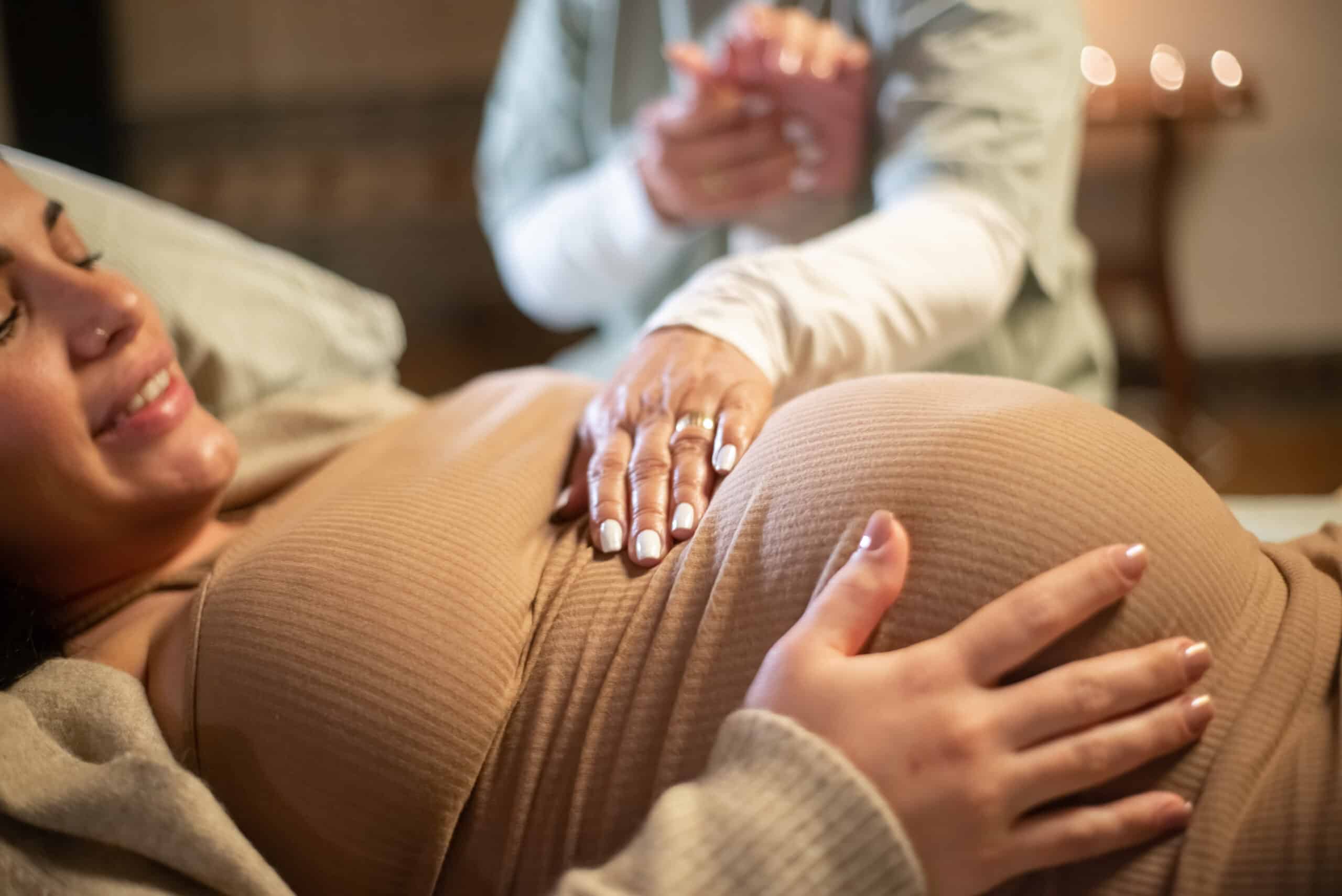
Massage therapy during the first trimester can harm the fetus if the therapist isn't trained in prenatal techniques. Research suggests that certain pressure points and massage methods could trigger hormone changes that lead to complications like preterm labor or miscarriage. Pregnant women should look for therapists with specific prenatal massage training to keep both mother and baby safe. Skipping deep tissue work and sticking with gentle, soothing techniques is the way to go during this sensitive time. While massage offers many benefits during pregnancy, proper training and caution are needed to avoid potential risks in those early months.
Risk of Triggering Uterine Contractions
Be careful about the potential risk of triggering uterine contractions during first-trimester massage therapy. While massage is generally safe during pregnancy, certain techniques or pressure points could cause the uterus to contract. Deep-tissue massage or strong pressure on specific areas may stimulate the uterus and trigger contractions. This matters most in the first trimester when the uterus is more sensitive. Massage therapists need to know these risks and adjust their approach for pregnant clients, especially early in pregnancy. If you're pregnant, talk openly with your massage therapist to make sure you have a safe and comfortable experience.
Impact on Blood Circulation
During pregnancy, it's worth considering how massage therapy affects blood circulation, as this plays a big role in supporting both mom and baby. Good blood flow delivers nutrients and oxygen to the mother and the developing baby. Massage can improve blood flow by promoting relaxation and reducing stress, thereby benefiting overall health during pregnancy. But you need to be careful, especially in the first trimester, because certain techniques or intense pressure could throw off the body's circulation balance. Talking to a qualified prenatal massage therapist and your healthcare provider helps make sure the massage is safe and helpful for both of you.
Concerns About Pressure Points
Thinking about massage therapy during pregnancy means addressing concerns about how pressure points affect maternal and fetal health. While massage can help many expectant mothers, certain pressure points may trigger contractions or affect the uterus. Find a massage therapist trained in prenatal massage who knows which pressure points to avoid during pregnancy. The pressure used during a massage should be gentle and carefully monitored to prevent any problems. Talking openly with your massage therapist about your pregnancy and any pressure point concerns helps you have a safe and relaxing experience that supports both your health and your baby's.
Allergic Reactions to Oils or Lotions
Allergic reactions are a real concern, so pay attention to the oils and lotions used during prenatal massage to keep both mother and baby safe and comfortable. Some oils or lotions commonly used in massages may cause reactions in sensitive people. Pregnant women should tell their massage therapist about any known allergies so the right products can be selected. Patch tests on a small area of skin can detect potential reactions before a full-body massage. Choosing unscented or hypoallergenic oils and lotions can lower the risk of allergic responses during prenatal massage sessions, making the experience safer and more relaxing.
Importance of Qualified Prenatal Massage Therapists
Finding a prenatal massage therapist with the right expertise and qualifications keeps expectant mothers and their babies safe. Qualified prenatal massage therapists have specialized training in pregnancy massage techniques, as well as in anatomy and physiology. They understand the changes a woman's body undergoes during pregnancy and can adjust their treatments accordingly. Choosing a certified prenatal massage therapist means the therapist understands contraindications, safe positioning, and appropriate pressure levels for pregnant women. This expertise reduces potential complications and enhances the benefits of prenatal massage for both mother and baby. Always check your therapist's credentials and experience to ensure quality care during this time.
Related Topics:
Pregnancy brings major changes to your body, and many expectant mothers look for ways to ease the discomfort that comes with it. Prenatal massage has become a popular option, but safety questions often come up. This post covers the benefits, risks, and expert tips for getting a prenatal massage during pregnancy. Finding a recommended massage spa with trained prenatal therapists makes a big difference in your experience. We'll also go over when to skip the massage table altogether.
Benefits of Prenatal Massages
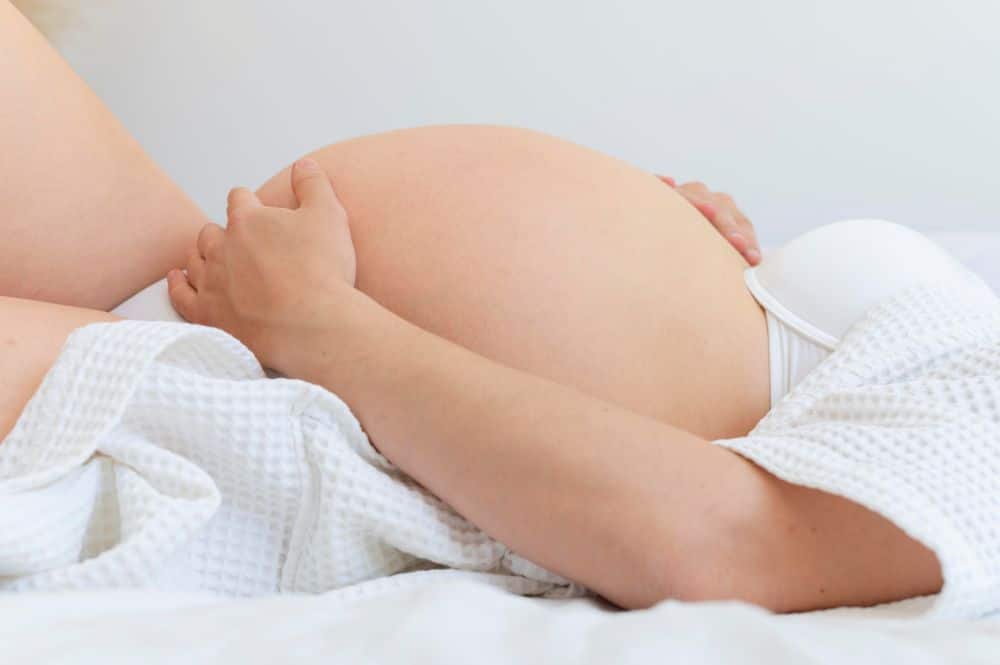
Prenatal massages offer expecting mothers real relief from the physical stress that comes with pregnancy. As your body changes, you may deal with muscle aches, tension, and general discomfort. A prenatal massage tailored for pregnant women can help ease these issues by promoting relaxation and loosening tight muscles. The gentle pressure used during these sessions can also improve blood and lymphatic flow, helping reduce swelling and supporting overall well-being. On top of that, prenatal massages have been shown to lift mood and improve sleep quality, both of which matter for the health of mom and baby. Make sure to find a qualified prenatal massage therapist to get a safe and helpful session.
Safety Considerations for Expectant Mothers
Keeping expectant mothers safe during prenatal massages is key to a positive experience for both mom and baby. Talk openly with your massage therapist about your pregnancy so they can adjust the session to fit your specific needs. Certain pressure points and techniques should be avoided, as they could trigger early labor or harm the developing baby. Proper positioning during the massage also matters you want to avoid strain on your abdomen and back. Always look for a qualified therapist who specializes in prenatal care to ensure a safe, comfortable session. Putting safety first lets expectant mothers relax and enjoy the benefits without unnecessary worry.
Expert Recommendations for Prenatal Massage
Experts offer solid guidance on techniques and precautions that match the needs of pregnant women. They suggest finding a certified prenatal massage therapist who has specialized training in pregnancy massage. These professionals understand the body changes that happen during pregnancy and know how to adjust their approach. Be upfront with your therapist about any discomfort or concerns during the session. Experts also recommend avoiding deep tissue massage and certain pressure points, especially during the first trimester. Following these recommendations helps pregnant women benefit from prenatal massage safely and effectively.
Potential Risks to Be Aware Of
Expectant mothers should know about the potential risks tied to prenatal massage to ensure a safe experience during pregnancy.
- Risk of Premature Labor: Deep-tissue massage or pressure on certain points could trigger contractions and lead to early labor.
- Risk of Blood Clots: Prenatal massage could dislodge a blood clot, which creates a serious health concern.
- Risk of Nausea: Some women may feel nauseous or dizzy during or after a session due to hormonal shifts.
- Risk of Inexperienced Therapists: Going to an unqualified therapist might mean improper techniques that could harm both mother and baby.
Knowing these risks helps you make smart decisions about prenatal massage during your pregnancy.
Choosing a Qualified Prenatal Massage Therapist
When looking for a prenatal massage therapist, focus on finding someone with specialized training and hands-on experience in pregnancy massage techniques. Look for therapists who have extra certification specifically in prenatal massage, so you know they understand the unique needs of pregnant women. The therapist should understand the body changes that occur during pregnancy and how they affect the massage approach. Ask about their experience with pregnant clients and check for reviews or feedback from other expecting mothers. Picking a qualified prenatal massage therapist gives you confidence that you'll get safe, effective care tailored to your needs during this time.
When to Avoid Prenatal Massages
In certain medical situations, prenatal massages may not be a good idea for pregnant individuals. Here are some times when it's best to skip the massage:
- High-Risk Pregnancy: If you have a high-risk pregnancy, like preeclampsia or a history of preterm labor, check with your healthcare provider before booking a prenatal massage.
- Deep Vein Thrombosis: Anyone with a history of deep vein thrombosis should avoid prenatal massages, as the pressure could dislodge a blood clot.
- Placenta Previa: For those diagnosed with placenta previa, where the placenta sits low in the uterus, prenatal massages are generally not recommended to avoid complications.
- Severe Swelling: Serious swelling, especially in your arms and legs, could signal an underlying issue, so get medical advice before getting a prenatal massage.
Related Topics:
Prenatal massages offer real benefits for expectant mothers, supporting both physical and emotional health during pregnancy. They help ease common discomforts, such as back pain and swelling, while improving sleep and lowering stress. American Fork's experienced massage therapist can tailor these sessions to your pregnant body, focusing on problem areas like the lower back and hips. Techniques like Swedish and deep tissue massage target muscle tension and improve blood flow. This post covers the benefits, techniques, safety tips, and how to find the right therapist for your needs.

Benefits of Prenatal Massages
Prenatal massages give pregnant women relief from the aches and pains that come with carrying a baby, such as back pain, swelling, and sore muscles. The gentle kneading and soothing strokes help loosen tight muscles, improve blood flow, and bring down stress levels. These massages are designed specifically for pregnant bodies, keeping safety and comfort at the forefront of every session. By targeting areas that take the most strain during pregnancy, like the lower back and hips, prenatal massages help you relax and sleep better. Making time for this kind of self-care can make the whole pregnancy experience more comfortable.
Techniques Used in Prenatal Massages
Understanding what happens during a prenatal massage means knowing the different techniques therapists use to address specific discomforts and help you relax. Here are some common techniques:
- Swedish Massage: Gentle, long strokes that relieve muscle tension and improve circulation.
- Deep Tissue Massage: Targets deeper muscle layers to ease pain and stiffness.
- Prenatal Trigger Point Therapy: Focuses on releasing specific tension points to reduce discomfort.
- Myofascial Release: Stretches and releases connective tissue to improve mobility and decrease pain.
When a trained professional applies these techniques properly, they can provide serious relief and support throughout pregnancy.
Safety Considerations for Prenatal Massages
Safety matters most when it comes to prenatal massages for both mom and baby. Look for a qualified therapist who specializes in prenatal care and understands the specific needs of pregnancy. Communication plays a big role here; be open about any medical conditions or concerns with both your therapist and healthcare provider. How you're positioned during the massage also matters since the wrong position can cause discomfort or potential harm. By sticking to safety basics like avoiding certain pressure points and using the right techniques, prenatal massages can be a safe and helpful experience for expecting mothers.
Impact on Pregnancy Symptoms
Prenatal massages can make a real difference in how you feel during pregnancy. Here's how they help with common symptoms:
- Reduction in Back Pain: These massages target tension points, relieving the strain that builds up in your lower back.
- Alleviation of Swelling: By boosting circulation, prenatal massages help reduce swelling in your hands, feet, and ankles.
- Improved Sleep Quality: Relaxing massage techniques promote better sleep patterns, giving you the rest you need.
- Decreased Stress Levels: The calming effects help lower stress and anxiety, keeping your emotions more balanced throughout pregnancy.
Recommended Frequency of Prenatal Massages
Getting the most out of prenatal massages means figuring out how often to schedule them, based on your needs and the stage of your pregnancy. For most pregnant women, booking a session once a month during the first and second trimesters can help ease discomfort and reduce stress. As you move into the third trimester, bumping up to every two weeks may give you more relief from pregnancy-related symptoms. Talk to your healthcare provider or a qualified prenatal massage therapist to set up a schedule that works for your situation and keeps you and your baby safe.
Finding a Qualified Prenatal Massage Therapist
Finding the right prenatal massage therapist takes a bit of research, but it's worth the effort. Here are four things to look for:
- Certifications: Pick therapists certified in prenatal massage techniques.
- Experience: Go with someone who has a solid track record of treating pregnant clients.
- Communication: Choose a therapist who actually listens to your needs and concerns.
- Comfort: Make sure the therapist creates a safe, relaxing space during your sessions.
A skilled prenatal massage therapist can make your pregnancy more comfortable and give you valuable support along the way.
Related Topics:
Prenatal massage offers specialized therapeutic care tailored to pregnant women at every stage of their pregnancy. This bodywork technique helps expecting mothers manage physical discomfort, reduce pregnancy-related stress, and boost overall wellness during this life-changing time. A skilled local massage therapist in American Fork uses adapted techniques and positioning to work with the body's changes and address specific pregnancy needs. The practice targets common pregnancy issues such as lower back pain, hip tension, and circulation problems while promoting relaxation for both mom and baby.

Key Benefits of Prenatal Massage Therapy
Pregnancy brings significant physical changes that often result in discomfort and tension throughout the body. Prenatal massage therapy addresses these challenges through targeted techniques that provide both immediate and lasting relief.
Regular sessions can significantly improve sleep quality, which becomes increasingly difficult as pregnancy progresses. Many women report falling asleep more quickly and experiencing deeper, more restorative sleep after massage treatments.
Circulation improvements represent another major advantage. The gentle pressure and specialized strokes help reduce swelling in hands, feet, and legs by encouraging proper blood flow and lymphatic drainage.
Stress reduction plays a huge role in prenatal wellness. The therapeutic touch releases endorphins while lowering cortisol levels, creating a calming effect that benefits both mother and baby. This relaxation response can help manage anxiety about labor, delivery, and the transition to parenthood.
Safety Guidelines for Pregnancy Massage
Professional prenatal massage requires specific safety protocols to protect both mother and child. Working with a certified prenatal massage therapist becomes non-negotiable since they understand the anatomical changes and potential risks involved.
Healthcare provider approval should always come first. Your obstetrician or midwife knows your specific pregnancy circumstances and can advise on whether massage therapy is safe within your care plan.
Certain pregnancy complications may require avoiding massage entirely. High-risk pregnancies, placenta previa, preeclampsia, or a history of preterm labor all warrant extra caution and medical clearance.
The massage therapist should maintain detailed intake forms and ask about your pregnancy history, current symptoms, and any areas of concern. Open communication throughout the session helps ensure comfort and safety.
Specialized Techniques and Positioning
Prenatal massage techniques differ significantly from standard massage approaches. Therapists use lighter pressure and avoid certain areas, like the abdomen, in early pregnancy and specific pressure points that could potentially trigger contractions.
Side-lying positions become standard as pregnancy advances, with supportive cushions and bolsters strategically placed for comfort. This positioning prevents compression of major blood vessels while allowing access to areas needing attention.
Swedish massage forms the foundation of most prenatal sessions, using long, flowing strokes to promote circulation and relaxation. Gentle kneading helps release tension in the shoulders, neck, and back where stress commonly accumulates.
Lymphatic drainage techniques can reduce swelling, particularly in the third trimester when fluid retention becomes more pronounced. These light, rhythmic movements encourage the natural drainage of excess fluids.
Optimal Timing for Starting Prenatal Massage
Most practitioners recommend waiting until the second trimester before beginning prenatal massage therapy. The first trimester carries higher risks, and many women experience increased sensitivity and nausea during this period.
Starting around 14 to 16 weeks provides an ideal balance of safety and benefit. By this time, the pregnancy has typically stabilized, morning sickness often subsides, and the risk of miscarriage decreases significantly.
However, timing can vary based on individual circumstances. Women with normal, low-risk pregnancies may begin earlier with medical approval, while those with complications might need to wait longer or avoid massage altogether.
Frequency often increases as pregnancy progresses. Monthly sessions work well in the second trimester, while weekly appointments can provide optimal support during the final months when discomfort typically intensifies.
Choosing the Right Prenatal Massage Therapist
Finding a qualified prenatal massage therapist requires research and attention to credentials. Look for professionals who have completed specialized training in prenatal massage techniques and hold current certifications.
Experience with pregnant clients matters significantly. Ask potential therapists about their training background, how many pregnant clients they see regularly, and what specific techniques they use for different stages of pregnancy.
The massage environment should accommodate pregnancy needs with adjustable tables, various positioning options, and a comfortable room temperature. Professional therapists will have specialized equipment designed for pregnant clients.
Communication style also plays a role in your experience. The right therapist will listen to your concerns, explain their approach, and adjust techniques based on your feedback throughout the session.
Common Areas of Focus During Treatment
Lower back pain affects nearly every pregnant woman, as the growing belly shifts the center of gravity and strains the supporting muscles. Prenatal massage targets these areas with gentle pressure and stretching techniques.
Hip discomfort often develops as ligaments loosen and the pelvis prepares for delivery. Therapeutic work on the hip flexors and surrounding muscles can provide significant relief from this common pregnancy complaint.
Neck and shoulder tension frequently results from postural changes and the stress of pregnancy. A gentle massage of these areas helps counteract the forward head posture that develops as the body adapts to changes in weight distribution.
Leg cramps and restless leg syndrome can disrupt sleep and daily activities. Massage techniques targeting the calves and feet can improve circulation and reduce these uncomfortable sensations.
The therapist may spend time on hands and wrists if carpal tunnel symptoms develop, which can occur due to fluid retention and postural changes affecting nerve pathways.
This comprehensive approach to prenatal massage ensures that expecting mothers receive targeted relief while maintaining safety throughout their pregnancy journey.
Contact Us
Ready to experience deep relaxation and healing? Reach out to Body Balance Massage and Float today.
TELEPHONE NUMBER
- Reception: (801) 823-2977
- Fax: (801) 697-6510
EMAIL ADDRESS: Clinic@BodyBalanceAF.com
PHYSICAL ADDRESS: 366 South 500 East, Suite B - American Fork, UT 84003
Hours:
- Monday–Saturday: 9:00 AM – 10:00 PM
- Sunday: Closed
DIRECTIONS
We are located just 30 seconds off the freeway in Suite B on the north side of the building. We have a dedicated parking lot, so feel free to park wherever you like and use the front entrance on 500 East. originate within
Related Topics:
A full-body massage offers a holistic experience that relieves physical tension and promotes mental relaxation. Incorporating techniques such as Swedish, deep tissue, and Shiatsu, this type of massage targets key muscle groups like the back, shoulders, and legs, easing discomfort and improving overall well-being. The benefits extend beyond stress reduction; it also improves circulation, promotes better sleep, and boosts energy levels. If you're looking for a skilled massage therapist in American Fork, it has several qualified practitioners who can customize sessions to your specific needs. Preparing for a massage is simple: arrive early, communicate your preferences, and wear comfortable clothing. After your session, staying hydrated and gently stretching helps maintain the relief and relaxation you've experienced.
Benefits of Full Body Massage
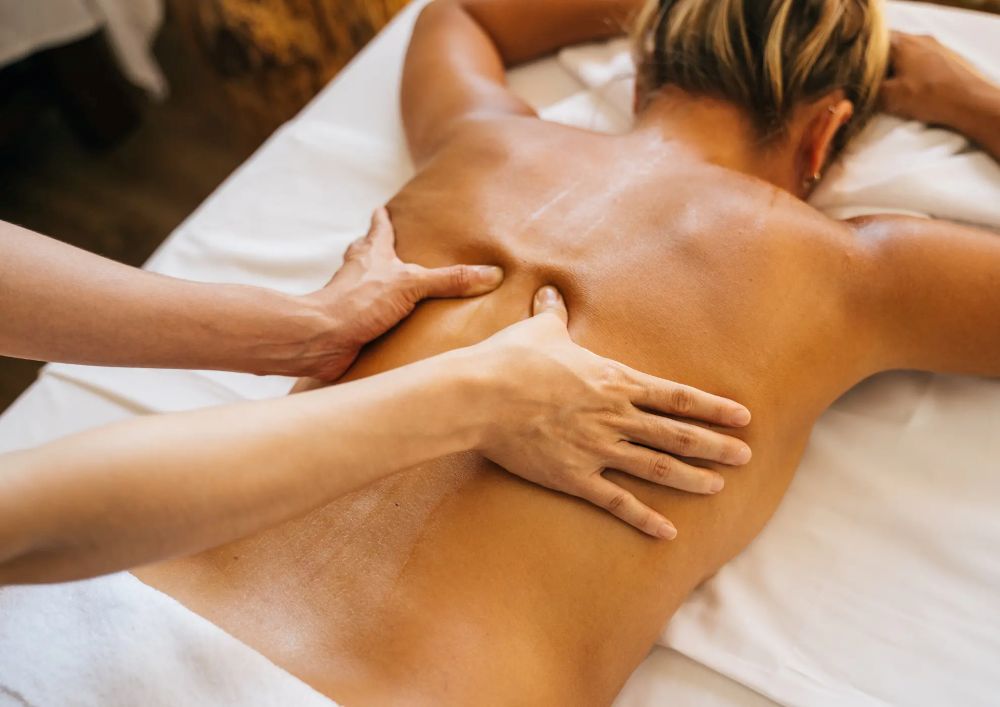
A full-body massage offers numerous physical and mental benefits that support overall health. Not only does it relieve muscle tension and promote relaxation, but it also boosts circulation, which enhances oxygen and nutrient delivery throughout the body. Improved blood flow supports better cellular function and overall vitality. Regular full-body massages have been shown to reduce stress, alleviate anxiety, and improve sleep quality by triggering the release of endorphins, the body’s natural feel-good hormones. These effects strengthen the immune system, making regular massage an essential part of a balanced self-care routine.
Techniques Used in Full Body Massage
A variety of massage techniques are employed during a full-body massage to promote relaxation, healing, and relief from tension. Among the most common are:
- Swedish Massage: Long, flowing strokes that aid in overall relaxation.
- Deep Tissue Massage: Targets deeper muscle layers to alleviate chronic tension and knots.
- Shiatsu: A Japanese technique that applies pressure to specific points, improving energy flow and balance.
- Sports Massage: Focuses on deep pressure and stretching to enhance athletic performance and prevent injuries.
- Trigger Point Therapy: Aimed at relieving localized areas of tension and pain.
Each technique serves a unique purpose, allowing a full-body massage to cater to a variety of needs and deliver maximum wellness benefits.
Areas Targeted During Full Body Massage
A full body massage focuses on relieving tension in key areas that often accumulate stress, poor posture, or strain from physical activities. These include:
- Back
- Shoulders
- Neck
- Legs
Massage therapists use techniques like kneading, effleurage, and petrissage to alleviate tightness, improve circulation, and enhance flexibility. In addition to these common areas, attention is also given to arms, hands, feet, and the head. This comprehensive approach provides an all-encompassing experience that benefits both muscle relaxation and mental clarity, leaving you feeling rejuvenated.
Importance of Relaxation in Full Body Massage
The key to a successful full-body massage lies in relaxation. Deep relaxation during the massage helps reduce muscle tension, promote better circulation, and support mental well-being. A calm, peaceful environment facilitates stress reduction and allows the body to absorb the massage's benefits more effectively. As a result, relaxation during the session not only relieves physical discomfort but also enhances mental clarity, reduces anxiety, and improves emotional balance. By prioritizing relaxation, a full body massage can lead to better sleep quality, increased energy levels, and an overall sense of wellness.
Preparing for a Full Body Massage
Proper preparation is essential to maximizing the benefits of a full-body massage. To ensure a smooth experience:
- Arrive early (10-15 minutes) to complete any necessary paperwork and unwind before the session.
- Communicate your preferences and any health concerns to the therapist.
- Shower beforehand to remove any oils or lotions that may interfere with the massage.
- Wear loose, comfortable clothing and remove jewelry to allow for maximum comfort.
- Mentally prepare to relax and let go of stress, so you can fully benefit from the experience.
These simple steps ensure you’re ready to benefit from your massage session fully.
Post-Massage Care and Recommendations
After enjoying the therapeutic effects of your whole body massage, it’s essential to follow a few post-massage care tips to maintain and enhance the benefits:
- Stay hydrated: Drink plenty of water to flush out toxins released during the massage.
- Warm bath: A warm bath can further relax your muscles and complement the massage.
- Gentle stretching: Stretching after the massage helps maintain flexibility and prolongs the tension relief.
- Avoid strenuous activities: Refrain from intense physical activity to allow your body to absorb the massage's healing effects fully.
These simple steps will ensure your body continues to reap the benefits of the full-body massage long after the session ends.
Contact Us
Ready to experience deep relaxation and healing? Reach out to Body Balance Massage and Float today.
TELEPHONE NUMBER
- Reception: (801) 823-2977
- Fax: (801) 697-6510
EMAIL ADDRESS: Clinic@BodyBalanceAF.com
PHYSICAL ADDRESS:
- 366 South 500 East, Suite B - American Fork, UT 84003
Hours:
- Monday–Saturday: 9:00 AM – 10:00 PM
- Sunday: Closed
DIRECTIONS
We are located just 30 seconds off the freeway in Suite B on the north side of the building. We have a dedicated parking lot, so feel free to park wherever you like and use the front entrance on 500 East.
Related Topics:
Getting an expert massage service means preparing properly for your session. What you wear can make a big difference in how comfortable and relaxed you feel during your treatment. This guide covers everything from the right undergarments to the best disposable options. You'll learn about clothing choices that help your therapist do their job while keeping you at ease. Understanding these basics helps you get the most out of your massage experience.

Proper Undergarments
Choosing the right undergarments makes your massage more comfortable. Go for soft, breathable options that give you enough coverage without feeling tight. Seamless underwear works best since it won't dig into your skin or leave marks. Nude or light-colored undergarments blend well with most massage attire and won't show through. Skip underwire bras, they can poke and cause discomfort when you're lying on your face. The right undergarments help you relax completely so you can enjoy all the benefits of your massage.
Loose and Comfortable Clothing
Loose clothing makes changing before and after your massage much easier. Here's what works best:
- Flowy Tops: Pick loose-fitting shirts or blouses that allow easy movement and airflow during your session.
- Stretchy Pants: Go for breathable, stretchy pants or leggings that won't restrict your movements or cause discomfort.
- Soft Fabrics: Choose gentle materials like cotton or bamboo to maximize comfort against your skin.
- Easy to Remove: Select clothing that slips on and off easily to make changing before and after your massage simple.
No Jewelry or Accessories
Leave all jewelry and accessories at home or in your bag during the massage. Rings, bracelets, necklaces, and earrings can feel uncomfortable when you're lying on the massage table. They also get in the way of your therapist's hands and movements, which affects the quality of your treatment. Delicate jewelry pieces are at risk of damage or loss during your session. Removing everything helps you fully relax without distractions. Focus on your well-being, and save the accessories for after your massage.
Spa Robe and Slippers
Most spas provide cozy robes and comfortable slippers upon arrival. These items help you relax and stay comfortable throughout your visit. Here's what to keep in mind:
- Size Matters: Pick the right size spa robe and slippers for a perfect fit.
- Material Quality: Look for robes and slippers made from soft, luxurious materials like cotton or microfiber.
- Warmth and Coverage: Choose a robe that provides enough warmth and coverage, plus slippers that keep your feet cozy.
- Ease of Movement: Make sure your robe and slippers allow for easy movement and flexibility during your session.
Disposable Underwear Options
Disposable underwear offers a convenient option that maintains hygiene standards. These come in different styles like briefs or thongs, so pick what feels most comfortable for you. They're made from soft, breathable materials that feel good against your skin. Since they're designed for single use, you don't have to worry about cleaning them. They're lightweight and barely noticeable, so you can focus entirely on your massage. When choosing disposable underwear, make sure you get the right size to avoid any discomfort during your treatment.
Communicate Preferences With Therapist
Tell your massage therapist what you prefer to make sure your session meets your needs. Clear communication helps create the best possible experience. Here are some preferences you should discuss:
- Pressure: Share your preferred pressure level, light and gentle or deep and intense.
- Areas of Focus: Highlight specific areas that need special attention, such as tight muscles or sore spots.
- Temperature: Let your therapist know if you feel too hot or cold so they can adjust the room temperature.
- Feedback: Provide feedback during the session so your therapist can adjust their techniques to better suit you.
Related Topics: