
Arthritis pain comes from a combination of joint inflammation, surrounding muscle tension, and reduced circulation to the affected area. Cupping therapy does not treat the joint condition itself, but the best massage services in American Fork use it to directly address several of the mechanisms that make arthritis pain worse and more persistent.
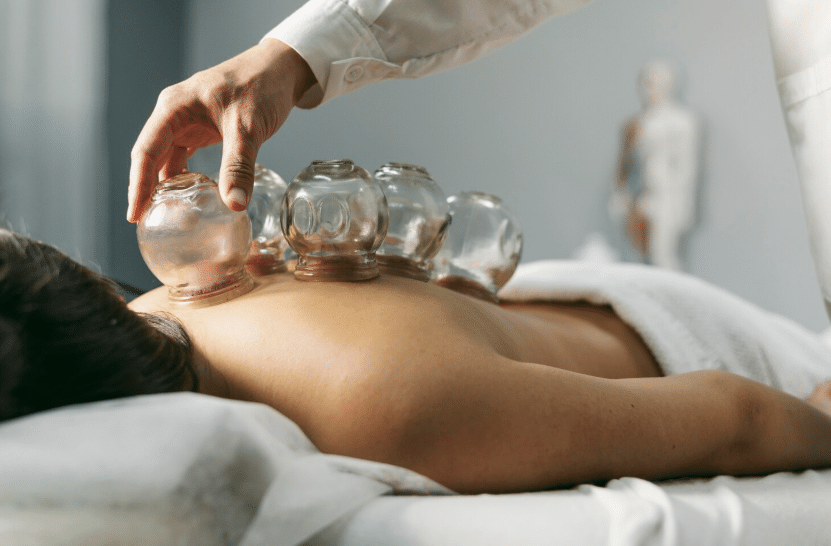
Cupping applies suction to the skin and soft tissue above the affected area. The negative pressure lifts the tissue rather than compressing it, drawing blood flow into the local area, releasing fascial restriction, and reducing muscle tension around the joint.
For arthritis, this matters because much of the pain is not coming from inside the joint alone. The muscles and connective tissue surrounding an arthritic joint typically develop secondary tension as the body guards the painful area. That guarding produces a cycle: pain causes muscle tightening, which compresses the joint further, which increases pain. Cupping interrupts this cycle by releasing the muscular and fascial tension around the joint without direct manipulation of the joint itself.
Osteoarthritis (OA): The most common form of arthritis, caused by cartilage breakdown in the joints. Cupping does not restore cartilage, but it reduces the soft tissue tension and improves circulation in ways that reduce pain and improve movement around the affected joint. Research has examined cupping for knee osteoarthritis specifically, with results showing measurable reductions in pain scores.
Rheumatoid arthritis (RA): An autoimmune condition involving joint inflammation. Cupping during active flares is generally not recommended, as adding stimulation to already inflamed tissue can increase discomfort. During remission, light cupping on surrounding muscle groups can help manage the tension and restricted movement that develops around chronically affected joints.
Both cupping therapy and massage address the soft tissue component of arthritis pain, but they work through different mechanisms.
Massage uses compression and movement to work through muscle layers. For areas with significant joint sensitivity, firm compression may not always be tolerable, particularly directly over an inflamed joint.
Cupping uses suction, which works without direct pressure on the joint. This makes it a more comfortable option for clients who cannot tolerate the contact of deep tissue massage over a sensitive area. In practice, combining both is often most effective: a therapeutic massage session that includes cupping as a specialty add-on can address both the broader muscle tension and the specific tissue compression around the joint in a single visit.
At Body Balance, cupping is performed with suction cups placed around the affected joint or along the muscle groups supporting it. The sensation is one of pulling and warmth rather than pain. Cups are typically held for several minutes.
Temporary circular marks on the skin are normal after cupping. They reflect areas of restricted blood flow being drawn to the surface and are not bruises in the traditional sense. These marks typically fade within three to five days.
Sessions are customized to the client's pain level and tolerance. For clients with active arthritis discomfort, the therapist adjusts suction levels and cup placement accordingly.
Cupping produces its best results for arthritis when used as part of a consistent routine rather than a one-time treatment. Tension in the supporting musculature reduces over time, movement improves, and the frequency and intensity of pain episodes decrease with regular sessions.
The $10/month membership at Body Balance includes one free specialty modality (including cupping) per session. For clients managing chronic arthritis pain, this makes regular cupping sessions practical without additional cost per visit. Book a session online anytime.
First-time clients receive 35% off their first massage. Book online at bbmassageandfloat.com/booking or call (801) 855-5834. Open Monday through Saturday, 9 AM to 10 PM.
Q: Is cupping safe for arthritis? A: Cupping is safe for most arthritis patients when performed by a trained, licensed therapist. It is generally avoided directly over acutely inflamed joints, particularly during RA flares. Therapists at Body Balance assess each client's condition at intake before applying cupping.
Q: Does cupping actually reduce arthritis pain? A: Cupping reduces the soft tissue tension and poor circulation that contribute to arthritis pain. It does not treat the underlying joint condition. For most clients, it produces meaningful short-term pain relief and, with regular sessions, reduces baseline tension around affected joints over time.
Q: Where on the body does cupping help most for arthritis? A: Cupping is most commonly applied to the muscles and fascia surrounding the affected joint rather than directly on it. For knee arthritis, this typically means the quadriceps, IT band, and hamstrings. For shoulder arthritis, the rotator cuff and upper back musculature.
Q: How often should someone with arthritis get cupping? A: Biweekly sessions produce good results for ongoing pain management. Monthly is a practical minimum for maintenance. The membership at Body Balance makes this affordable, with cupping included at no extra cost per session.
Q: Can I combine cupping with float therapy for arthritis pain? A: Yes. Float therapy removes gravitational pressure from arthritic joints entirely for the duration of the session. Combining a massage session with cupping followed by a float produces both targeted tissue work and full-body decompression in a single visit.
Related Topics: