Cupping therapy has two main forms. They share the same basic mechanism but differ significantly in technique, application, and who they are appropriate for. Understanding the difference helps you make an informed decision before booking. Top-rated massage therapy clinics in American Fork can guide you on which method is best for your needs.
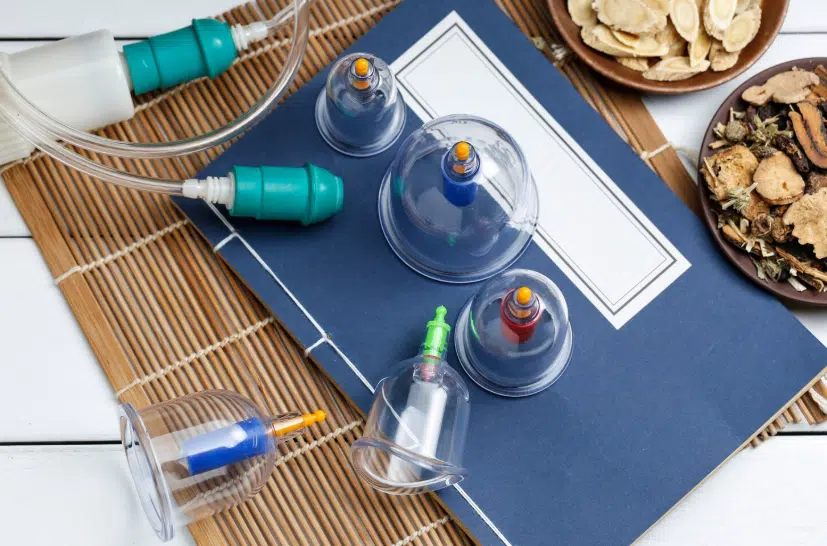
Cupping uses suction cups applied to the skin to lift soft tissue, increase blood flow, release fascial restriction, and reduce deep muscle tension. The suction creates a negative-pressure environment that draws tissue upward, working opposite to traditional massage compression.
Both dry and wet cupping achieve their effects through suction. The difference is in what happens during and after the cups are placed.
Dry cupping is the more widely available and commonly practiced form. Cups are applied to the skin, suction is created through a hand pump or mechanical pump in modern practice, and the cups are held stationary or moved across the skin with a lubricant.
No skin is broken. No blood is drawn. The entire process is non-invasive.
Dry cupping is appropriate for muscle tension and chronic tightness, athletic recovery and sports performance, injury rehabilitation after the acute inflammatory phase, stress-related fascial restriction, and most general clients, including pregnant women in appropriate areas.
At Body Balance Massage and Float, cupping therapy is performed as dry cupping. It is available as a $25 add-on to any massage session or included free with the $10/month membership.
Wet cupping (known as Hijama in Arabic medicine) involves an additional step after the initial suction. Small superficial incisions are made in the skin, and the cups are reapplied to draw a small amount of blood from the area.
Wet cupping has roots in traditional Arabic, Chinese, and Eastern European medicine. Practitioners use it for conditions they believe involve stagnant circulation or where bloodletting is traditionally indicated. It is practiced in some clinical settings but is not offered in standard massage therapy clinics in the United States.
Wet cupping is not offered at Body Balance and is not typically performed in massage therapy settings due to licensing requirements and the invasive nature of the procedure.
Invasiveness: Dry cupping does not break the skin. Wet cupping involves small incisions and a blood draw.
Who performs it: Dry cupping is performed by trained massage therapists (LMT). Wet cupping typically requires a medical or acupuncture license due to the incision involved.
Availability: Dry cupping is available in most massage clinics and wellness centers. Wet cupping is available only in specialized settings.
Recovery: Dry cupping leaves temporary circular marks that fade within a few days. Wet cupping involves small wounds that require aftercare to prevent infection.
Appropriate populations: Dry cupping has a broad range of appropriate clients. Wet cupping carries more specific contraindications due to its invasive nature.
For the vast majority of people seeking pain relief, sports recovery, or general therapeutic benefit, dry cupping is the right choice. It achieves the primary therapeutic goals of cupping (improved circulation, fascial release, and muscle tension reduction) without any invasive component.
Wet cupping may be sought by individuals with specific cultural or traditional medicine preferences or those following a practitioner's recommendation for specific conditions. If you are considering wet cupping for a specific reason, consult a licensed acupuncturist or medical practitioner who offers the service.
At Body Balance in American Fork, cupping is a common specialty add-on to therapeutic massage, deep tissue, and sports massage sessions. The session begins with your therapist assessing which areas are most restricted or congested. Cups are applied and either held stationary or moved across the skin with a lubricant in a gliding technique.
The sensation is a pulling warmth, not pain. Temporary circular marks appear where blood flow has been drawn to the surface. These are not harmful and fade within a few days. Clients with concerns about the marks can request lighter suction.
Cupping is $25 as an add-on or included free with the membership. Members also receive 40% off all massages and 50% off all float therapy. First-time clients receive 35% off their first session. Book a session online or review our massage and float therapy membership options.
Book online at bbmassageandfloat.com/booking or call (801) 855-5834. Open Monday through Saturday, 9 AM to 10 PM.
Q: Does dry cupping hurt? A: Most clients describe dry cupping as a pulling or warmth sensation rather than pain. Over areas of significant tension or restriction, the sensation can be more intense. Therapists at Body Balance adjust suction levels to your tolerance throughout the session.
Q: Are the marks from cupping dangerous? A: No. The circular marks from cupping are caused by blood being drawn to the surface of the skin, not from bruising in the traditional sense. They are not harmful and typically fade within three to five days.
Q: Can I request cupping at Body Balance without knowing which type I want? A: Yes. Body Balance offers dry cupping, which is the standard form in massage therapy. Tell your therapist why you are interested in cupping (pain relief, athletic recovery, injury, tension), and they will incorporate it appropriately within your session.
Q: Is wet cupping available at Body Balance? A: No. Body Balance offers dry cupping as a massage therapy modality. Wet cupping involves incisions and is performed in specialized medical or acupuncture settings. Dry cupping delivers the core therapeutic benefits of cupping without any invasive component.
Q: How long does cupping take within a massage session? A: Cupping is typically added to a massage session rather than performed standalone. A 50-minute massage with cupping included generally allocates 10 to 15 minutes for the cupping component. The specialty modality is $25 as an add-on or included free with the membership.
Related Topics: