
This is something people usually ask after their first few sessions with a leading massage team, once they realize how different their body feels afterward. There isn’t a single answer that works for everyone. Some people feel fine for weeks, others notice tension creeping back within days. How often you should book a full body massage depends on how you move, how you rest, and what your body deals with day to day.
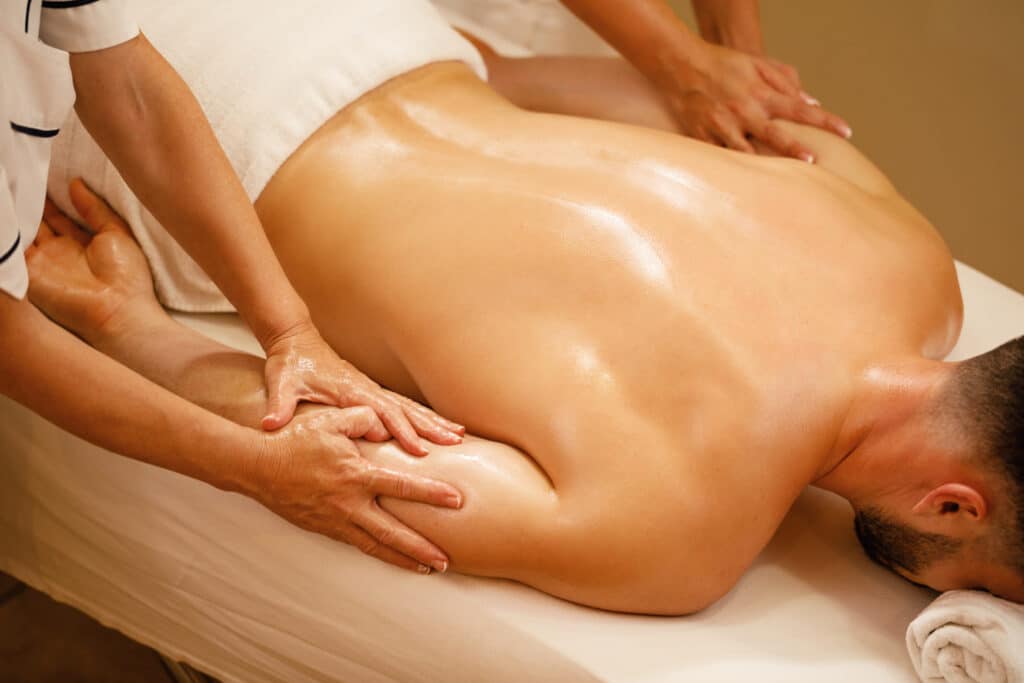
Getting massages regularly tends to make a difference over time rather than all at once. Muscles stay looser when they are worked consistently, rather than waiting until everything feels tight again. Many people notice they sleep better and feel less worn down as weeks pass. Massage also helps keep blood circulating through areas that tend to stay stiff, especially the neck, shoulders, and lower back. When sessions are spaced evenly, the body does not have to start over each time.
How often someone schedules a massage usually comes down to a few personal details. Work habits matter, especially for people who sit for long hours or do physical labor. Stress levels also play a role, even when they are not immediately obvious. Old injuries, soreness, or general fatigue can change how frequently massage feels helpful. Time and budget also matter, and those limits are part of real life. The right schedule is usually the one that fits without feeling forced.
Athletes tend to treat massage as maintenance rather than a once-in-a-while thing. Training puts constant pressure on muscles, and that tension builds fast. Regular sessions help keep soreness from piling up and can make recovery feel smoother between workouts. Some athletes prefer weekly appointments, while others adjust based on training cycles. Paying attention to how the body reacts after sessions often says more than any fixed schedule.
For stress, massage works best when it is consistent enough to stop tension from stacking up. Many people find weekly sessions helpful during busy or demanding periods. Others prefer spacing appointments out once they start feeling calmer again. Stress does not always show up as pain, so noticing changes in mood, sleep, or energy can help guide how often to go. If relaxation fades quickly, it may be time to book sooner.
Pain-focused massage usually requires more patience. When discomfort has been around for a while, sessions are often closer together at the beginning. This helps muscles stay relaxed long enough for the body to adjust. As pain eases, appointments can be spread out more. Everyone reacts differently, so tracking how long relief lasts is useful. Adjustments along the way are normal.
A massage schedule should feel supportive, not rigid. Some people stick to a routine, others book based on how their body feels that week. Both approaches can work. What matters is paying attention to signals like stiffness, fatigue, or stress creeping back in. When massage fits naturally into your routine, it tends to deliver better long-term results.
Related Topics: