
Timing and technique both matter when using massage for injury recovery. Starting too early with the wrong approach extends recovery. Starting at the right phase with the right technique shortens it. A relaxing massage experience at the appropriate time can accelerate healing and improve comfort.
This guide walks through what happens in injured tissue at each stage of healing and tells you exactly when massage is appropriate, what kind to get, and what to avoid.
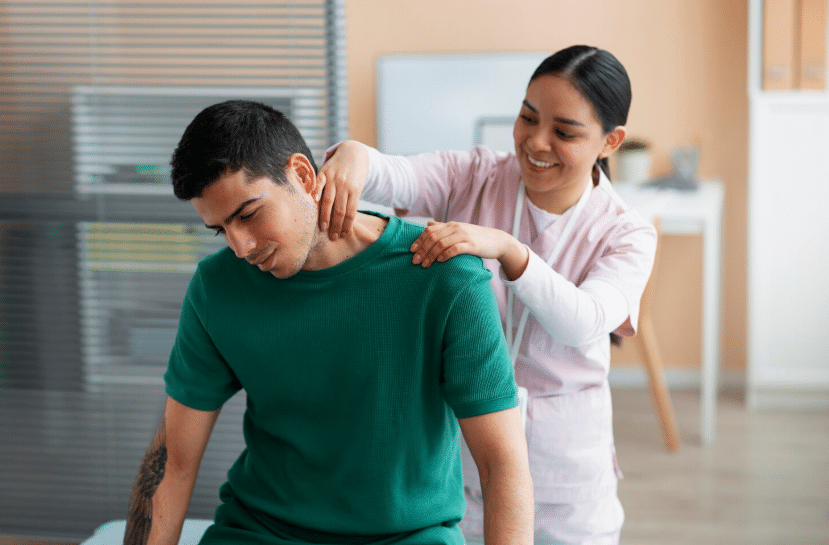
When soft tissue is damaged, the body responds in three sequential phases that each call for a different approach.
Inflammatory phase (days zero to three): Blood vessels dilate, immune cells flood the area, and swelling develops. This phase is a necessary part of repair, not a problem to push through. Massage that disturbs this process disrupts organized healing.
Subacute phase (days four to 21): Inflammation decreases, new tissue begins forming, and scar tissue is laid down. Circulation improves. This is the phase where massage can meaningfully influence how the tissue heals.
Remodeling phase (three weeks to 12 or more months): New tissue matures and strengthens. Poorly organized scar tissue restricts movement and creates secondary problems. Targeted massage in this phase improves tissue quality and restores normal function.
During the inflammatory phase, direct massage on the injured area typically makes recovery worse. Heat, pressure, and manipulation increase inflammation in tissue that is already under repair.
What you can do during the first 72 hours: rest, ice, elevation, and careful movement if pain allows. A licensed therapist can work on surrounding muscle groups during this window to reduce compensatory tension, but the injury site itself should be left alone.
Once the acute phase resolves, massage becomes one of the most effective tools available for recovery. In the subacute phase, the goals shift from protecting the tissue to actively guiding how it heals.
Light to moderate therapeutic massage improves circulation to the healing area. Sports massage reduces muscle guarding and compensation patterns that develop when the body protects an injured site. Cupping therapy applied around the injury supports lymphatic drainage and reduces early scar tissue formation. Trigger point therapy addresses referred pain patterns that arise when surrounding muscle groups over-contract in response to the injury.
The remodeling phase is where most people either make a full recovery or develop lasting restrictions. Scar tissue laid down during healing is denser and less organized than original muscle fiber. Without intervention, it reduces the range of motion and sets the stage for re-injury.
Deep tissue massage, gua sha (IASTM), and targeted cupping are most effective in this phase. These techniques break up poorly organized scar tissue, restore tissue alignment, and address the movement restrictions that develop when an injury is treated with rest alone.
At any phase after the acute window, float therapy for injury recovery is a strong addition to massage. The buoyancy of an open float pool removes gravitational pressure from the injured area entirely. The Epsom salt (magnesium sulfate) solution delivers magnesium transdermally, which reduces inflammation and supports muscle relaxation.
Many athletes use float sessions between massage appointments to extend the benefits of each session. A 60- or 90-minute float after a targeted massage session produces compounding recovery results. Visit our float therapy FAQ for a full breakdown of what to expect.
Body Balance Massage and Float serves clients across Utah County, including American Fork, Lehi, Orem, Provo, and the Wasatch Front. All therapists are licensed (LMT) in Utah and conduct intake assessments before every session to confirm the right technique for your current phase of healing.
First-time clients receive 35% off their first massage. The $10/month membership (no contract) brings sessions to $72/hour with one free specialty modality included per visit. Book a session online or review pricing and membership details.
Book online at bbmassageandfloat.com/booking or call (801) 855-5834. Open Monday through Saturday, 9 AM to 10 PM.
Q: Is it safe to get a massage 48 hours after a muscle strain? A: Light work on surrounding muscle groups is generally safe. Direct work on the strained muscle should typically wait until after 72 hours, and ideally until active swelling has clearly subsided.
Q: How do I know if I am past the acute phase? A: The acute phase is generally over when active swelling has reduced, heat in the area has decreased, and you can move through the range with moderate rather than severe pain. A licensed therapist at Body Balance can also assess this at intake.
Q: Can sports massage worsen an injury? A: Firm sports massage applied during the acute inflammatory phase can increase swelling and delay healing. Applied correctly in the subacute or remodeling phase with appropriate technique, it supports and speeds recovery.
Q: What is the best massage technique for old injuries that never fully healed? A: Gua sha (IASTM) and deep tissue massage are most effective for injuries that leave behind scar tissue or chronic restriction. These techniques reach the tissue layers where disorganized healing creates lasting problems.
Q: How many massage sessions does it take to recover from an injury? A: Minor strains with no chronic scar tissue often respond in two to four sessions. Longer-standing injuries or those with significant scar tissue buildup typically require more sessions over a longer period. Your therapist will give you a realistic estimate after the first session.
Related Topics: