
Figuring out what to wear to a massage shouldn't stress you out before what's supposed to be a relaxing massage therapy. The short answer is: whatever makes you comfortable. Most people stick with breathable cotton undergarments and seamless options so nothing digs in or gets annoying halfway through. Soft, stretchy fabrics like bamboo or modal work well if you're wearing actual clothes.
Some folks prefer loose attire that lets them move freely, while others feel better in something more fitted that provides support. You'll also want shoes that slip off easily, and you should probably ditch the jewelry before you get on the table. This guide covers what actually matters when you're getting ready for your appointment.
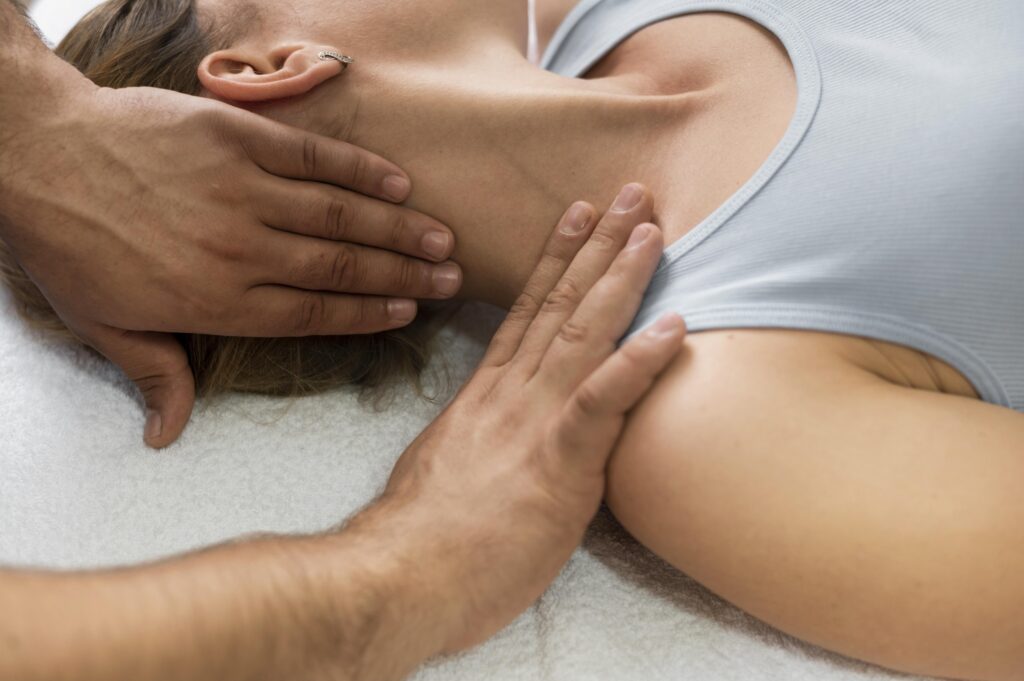
Your undergarments need to be comfortable and let you move easily during the session. Breathable materials like cotton or moisture-wicking fabrics keep airflow going and stop you from feeling gross. Seamless underwear prevents irritation and just makes everything smoother. Sports bras or supportive undergarments give you the support you need during the massage if that's your thing. The goal here is feeling relaxed and unrestricted, so pick undergarments that fit well without digging into your skin anywhere. Prioritizing comfort and mobility with the right undergarments means you can actually focus on the massage instead of adjusting your underwear.
Soft, flexible fabrics make your massage way more comfortable because they let you move easily and don't restrict anything. Breathable materials like cotton, bamboo, or modal help regulate your body temperature during the session so you're not sweating or freezing. Fabrics with some stretch - spandex or elastane blends - allow unrestricted movement without bunching up weirdly. Softness matters too, so jersey or microfiber fabrics feel better against your skin while you're lying on the table. Moisture-wicking materials like nylon or polyester keep you dry if you tend to get warm during massages. The fabric choice genuinely affects how comfortable you feel, so it's worth thinking about before you show up.
Whether you go loose or fitted depends entirely on what makes you comfortable. Loose clothing, like breathable cotton shirts and pants, gives you more freedom of movement and better airflow, which helps with relaxation. It also makes it easier for the massage therapist to reach muscles without fabric getting in the way. Fitted attire like stretchy yoga pants or athletic leggings provides security and support if you prefer feeling more contained. Some people just feel better in snug clothing. There's no right answer here - it comes down to personal preference and what puts you at ease. Try both styles if you're not sure which one works better for your deep tissue massage experience.
Your shoe choice matters more than you'd think for overall comfort. Pick footwear with decent cushioning and support to avoid unnecessary strain on your feet before and after the massage. Slip-on shoes or sandals make life easier since you can take them off quickly when the session starts. Keep your footwear clean to maintain a hygienic environment for both you and the therapist - nobody wants to deal with gross shoes. Quiet shoes are better than ones that make noise when you walk, which keeps the peaceful atmosphere intact during your session. These details seem small, but they add up to a better experience.
Take off all jewelry before your massage - rings, bracelets, necklaces, earrings, all of it. Jewelry gets in the way and can actually cause discomfort during the session. Accessories like belts, watches, and hairpins should come off, too, so the massage therapist has unrestricted access to work on your body. These items create obstacles that interfere with the massage and distract from relaxation. Following these guidelines lets you fully enjoy the benefits without anything getting in the way or poking you. The focus should be on your well-being and relaxation, not fidgeting with jewelry that's digging into your neck.
Talk openly with your massage therapist about any preferences or concerns before things get started. Practice deep breathing to relax your muscles and make the massage more effective - it genuinely helps. Drink plenty of water before and after your session to flush out toxins that get released during deep tissue work. Pay attention to your posture both during the massage and in daily life to prevent muscle tension from building back up. Take any aftercare advice from your therapist seriously if you want the benefits to last longer. These extra steps might seem unnecessary, but they make a noticeable difference in how you feel afterward.
Related Topics: