Athletes turn to the best cupping massage therapy for its proven ability to improve circulation, ease muscle soreness, and support better performance. The suction generated during sessions increases blood flow, relieves tension, and enhances flexibility. More oxygen and nutrients reach muscles, reducing inflammation and speeding recovery. Research shows that cupping can reduce muscle soreness and shorten recovery time for athletes. Understanding the science behind this therapy reveals why so many athletes include it in their training routines.
Cupping therapy traces back to ancient Egyptian, Chinese, and Middle Eastern cultures. The Ebers Papyrus, an ancient Egyptian medical text, describes cupping therapy around 1550 BC. Traditional Chinese medicine has practiced cupping for over 2,000 years to balance qi, the body's energy. The therapy spread to Greece, Africa, and Europe over time, adapting to different cultural beliefs. People used it for respiratory issues, musculoskeletal pain, and various other ailments. Understanding cupping's rich history shows why it remains popular in modern healthcare practices.
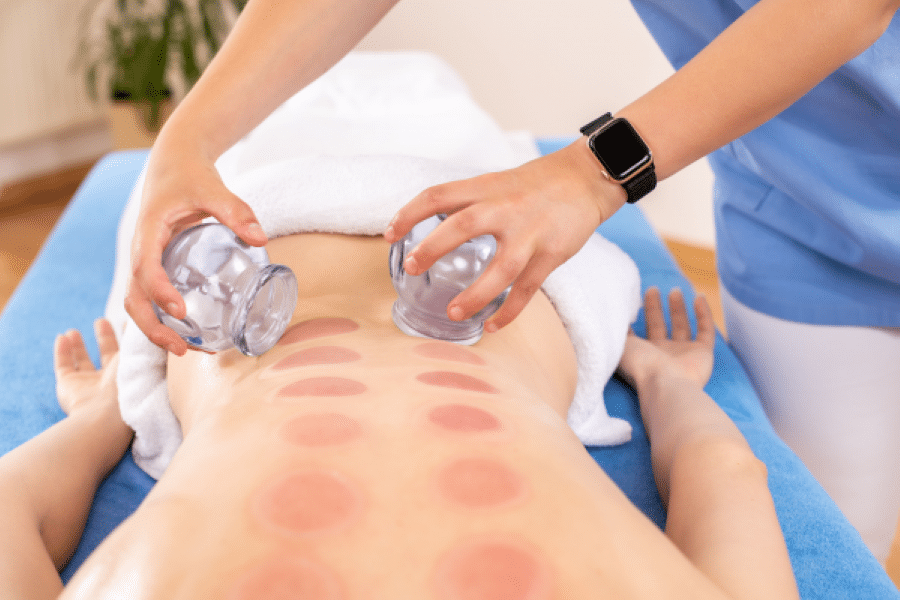
Cupping therapy works by creating suction on the skin to promote blood flow and relieve muscle tension. When cups are placed on the skin and the air inside is heated or removed, a vacuum effect draws the skin and muscle layer upwards. This suction increases blood flow to the area and releases fascia, the connective tissue surrounding muscles. Better flexibility and reduced muscle stiffness result from this process. The negative pressure created can also stimulate the nervous system, leading to pain reduction and muscle relaxation. Cupping offers a non-invasive way to address muscle soreness and tension in athletes.
The suction from cupping promotes increased blood flow to targeted areas. This improved circulation brings more oxygen and nutrients to muscles while removing waste products, such as lactic acid. Studies suggest cupping leads to vasodilation, the widening of blood vessels, which supports better blood flow. Better circulation helps reduce inflammation and promotes faster recovery after intense physical activity. Athletes seek this therapy to optimize performance and aid healing. Understanding how cupping improves circulation provides athletes with a valuable tool for their overall well-being.
Better blood circulation through cupping plays a significant role in reducing muscle soreness. Improved blood flow delivers oxygen and nutrients to muscles while removing waste products more efficiently. When muscles are overworked during intense activity, they become sore due to the buildup of byproducts, such as lactic acid. Cupping helps alleviate soreness by promoting circulation to flush out these substances and reduce inflammation. Studies show that cupping can reduce muscle soreness and improve recovery time in athletes. By improving circulation, cupping offers a practical approach to combating muscle soreness and supporting athletic performance.
Cupping therapy targets specific physiological mechanisms that enhance physical performance. It improves blood circulation, reduces muscle fatigue, and increases the range of motion. By increasing blood flow to muscles, cupping helps deliver oxygen and nutrients more efficiently, aiding quicker muscle recovery. Reduced muscle fatigue allows athletes to push themselves further during training or competition. Cupping can also increase flexibility and range of motion by releasing tension in muscles and connective tissues. These combined effects make cupping a promising method for athletes looking to improve their performance and achieve peak physical condition.
Numerous scientific studies have investigated the efficacy of cupping therapy for athletes in improving various aspects of physical performance. Research suggests cupping may help reduce muscle soreness, improve range of motion, and support muscle recovery. A study published in the Journal of Alternative and Complementary Medicine found that athletes who underwent cupping experienced a significant decrease in muscle stiffness and an increase in physical function. A systematic review published in the Journal of Traditional Chinese Medicine concluded that cupping could potentially improve athletes' overall performance by promoting blood circulation and reducing inflammation. These findings provide valuable insights into the scientific rationale behind athletes choosing cupping as part of their training regimen.
Related Topics: