
What you drink after training affects how fast you recover. Most people have this part partially right, but the full picture matters more than any single drink. Skilled massage therapists recommend combining proper hydration with targeted recovery techniques to maximize results.
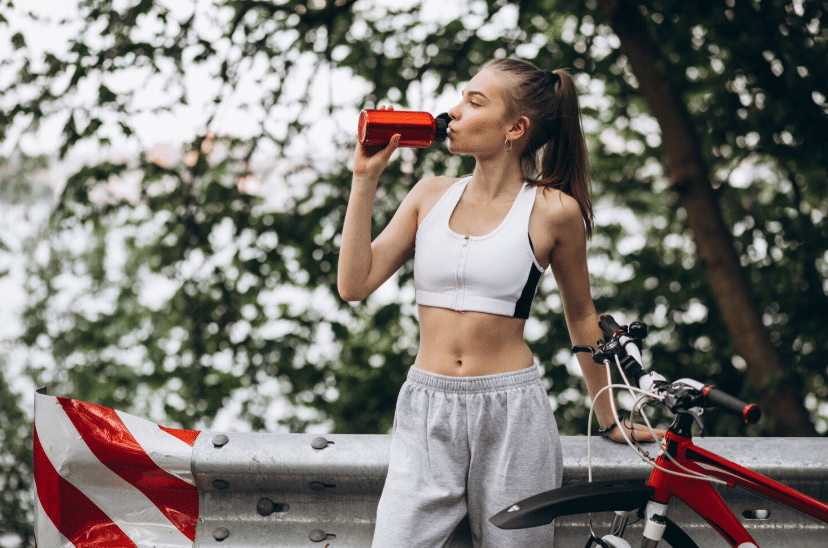
Exercise breaks down muscle tissue, depletes glycogen stores, causes fluid and electrolyte loss, and triggers an inflammatory response. A good recovery approach addresses all four.
Fluid replacement addresses what is lost through sweat. Electrolytes, including sodium, potassium, and magnesium, are depleted during training and needed for muscle function and nerve signaling. Protein provides amino acids for muscle tissue repair. Carbohydrates replenish glycogen stores used during effort.
Water: The foundation of recovery is rehydration. Most athletes underestimate fluid loss during training. Rehydrating adequately before adding anything else supports every other recovery process.
Electrolyte drinks: Sports drinks, coconut water, and electrolyte tablets replace sodium, potassium, and magnesium lost through sweat. Magnesium in particular supports muscle relaxation and helps reduce post-workout cramping and soreness.
Milk or chocolate milk: Research supports milk as an effective post-workout recovery drink. It provides protein, carbohydrates, fluid, and electrolytes in a ratio that supports muscle repair and glycogen replenishment.
Protein shakes: Whey protein consumed within 30 to 60 minutes of training provides a concentrated dose of amino acids for muscle repair. Plant-based protein sources are effective alternatives for those who prefer them.
Tart cherry juice: Research published in sports nutrition journals suggests tart cherry juice reduces exercise-induced muscle damage and soreness, particularly after endurance events. The effect is attributed to its anti-inflammatory anthocyanin content.
Alcohol: Interferes with protein synthesis and glycogen replenishment. Even moderate alcohol after training delays the recovery process by several hours.
High-sugar sodas: Provide no meaningful protein or electrolytes. Their sugar content without recovery-supporting nutrients offers no benefit and can contribute to systemic inflammation.
Excess caffeine: A moderate amount before training has performance benefits. Large amounts post-workout can interfere with sleep quality, and sleep is when most muscle repair happens.
Recovery is not only about what you drink. The tissue damage from training requires active physical intervention if you want to recover fully and return to peak capacity sooner.
Sports massage directly addresses this gap. Massage after a training session or competition reduces muscle soreness, improves circulation to damaged tissue, and breaks up micro-adhesions that develop from repeated loading. Cupping therapy applied to overworked muscle groups draws blood flow into deeper tissue layers and accelerates the repair process at a depth that nutrition alone cannot reach.
Open-pool float therapy removes gravitational pressure from every joint and muscle in the body. The Epsom salt solution delivers magnesium transdermally, supporting muscle relaxation and reducing inflammation. Athletes who combine float therapy with a solid recovery nutrition protocol report faster recovery and reduced soreness between training sessions.
A practical post-workout recovery timeline looks like this.
Immediately after: Rehydrate with water and electrolytes. Consume protein within 30 to 60 minutes.
Same day or next day: Light movement, adequate sleep, continued hydration.
Within 48 to 72 hours: Sports massage or therapeutic massage targeting the muscle groups that were heavily loaded.
Weekly or biweekly: Float therapy as a full-body recovery reset.
Monthly: Assess for accumulated tension, scar tissue, or restricted movement and address them with targeted deep tissue, gua sha, or cupping.
Body Balance Massage and Float serves athletes across Utah County from American Fork, Lehi, Orem, Provo, and the Wasatch Front. Sports massage, cupping, and open-pool float therapy are all available under one roof, with sessions that can be combined in a single visit.
First-time clients receive 35% off their first massage and 25% off their first float session. The $10/month membership brings sports massage to $72/hour and float therapy to $40 for 60 minutes. Book a recovery session or review pricing and membership details.
Book online at bbmassageandfloat.com/booking or call (801) 855-5834. Open Monday through Saturday, 9 AM to 10 PM.
Q: What is the best thing to drink right after a workout? A: Water first. Then, electrolytes are used to replace what was lost in sweat. Protein within 30 to 60 minutes supports muscle repair. The right combination depends on the intensity and duration of the session.
Q: Does magnesium help with muscle recovery? A: Yes. Magnesium supports muscle relaxation, reduces cramping, and plays a role in protein synthesis. It can be consumed through food, supplements, or electrolyte drinks or absorbed topically through Epsom salt during float therapy or a magnesium massage session.
Q: How does float therapy help with workout recovery? A: The buoyancy of open float pools removes all gravitational pressure from muscles and joints, allowing complete physical decompression. Magnesium absorbed through the Epsom salt solution reduces inflammation and supports muscle relaxation. Many athletes report significantly less soreness following a float session.
Q: Should I get a massage before or after my protein shake? A: Order does not matter clinically. Both support recovery through different mechanisms. What matters is that both happen within an appropriate window after training.
Q: How often should athletes get massage for recovery? A: Athletes in active training benefit most from weekly or biweekly sessions. Monthly is a reasonable minimum for maintenance and injury prevention. The $10/month membership at Body Balance makes regular sessions financially practical.
Related Topics: