Most people know magnesium as a supplement. Fewer know what happens when it is applied topically during a massage session and why expert massage therapy in American Fork uses this method to produce results that oral supplementation alone often does not.
What Magnesium Does in the Body
Magnesium is involved in over 300 biochemical processes. For muscle recovery specifically, three functions stand out.
Muscle relaxation: Calcium causes muscle fibers to contract. Magnesium is the mineral that allows them to release. Without adequate magnesium, muscles stay in a semi-contracted state, producing chronic tension, cramping, and restricted movement.
Inflammation regulation: Magnesium inhibits several inflammatory pathways. Low magnesium levels are associated with elevated C-reactive protein, a standard marker of systemic inflammation.
Protein synthesis: Muscle repair after training or injury depends on protein synthesis, which requires magnesium as a cofactor. Deficiency slows down the repair process even when protein intake is adequate.
Why Topical Magnesium During Massage Works
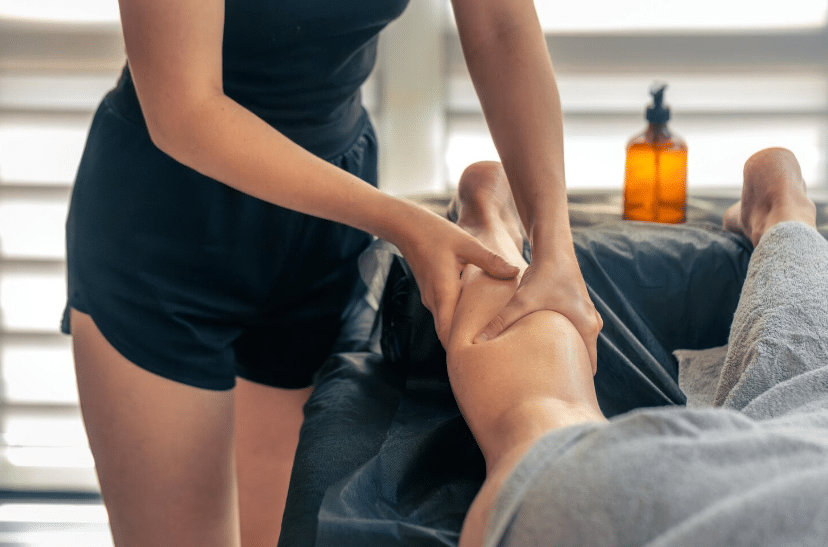
Most magnesium supplement research focuses on oral intake, but transdermal magnesium bypasses the digestive system and delivers directly to local tissue. When magnesium is applied during massage, two things happen simultaneously: the mechanical work of the massage improves circulation and loosens the muscle structure, while the magnesium penetrates into that more open tissue.
The combination produces a deeper and more sustained release than either achieves separately. This is particularly valuable for clients carrying chronic muscle tension, recovering from heavy training, or experiencing cramping and restlessness that suggest low magnesium status.
Who Benefits Most from Magnesium Massage
Athletes and active adults: The combination of mechanical tension release and magnesium delivery reduces post-training soreness and accelerates recovery between sessions.
People with chronic tension and pain: Clients with persistent neck, back, or shoulder tension often find magnesium massage produces a deeper and longer-lasting release than standard therapeutic massage alone.
Those with poor sleep or muscle restlessness: Low magnesium is associated with disrupted sleep and nighttime cramping. The parasympathetic activation from massage plus magnesium delivery together supports more restorative rest.
Pregnant women in later trimesters: Leg cramps and muscle tension are common in late pregnancy. Magnesium massage provides targeted relief with a pregnancy-safe, gentle-pressure approach. Prenatal massage is available at Body Balance for clients in the second and third trimesters.
Magnesium Massage vs. Oral Magnesium Supplements
Oral magnesium supplements can support overall magnesium status, but they take time to elevate tissue levels, can cause digestive side effects at higher doses, and do not deliver to specific muscle groups.
Topical magnesium applied during massage targets the tissue directly. If the primary issue is tension in the upper back, the magnesium is applied there, where the mechanical and chemical effects work together in that exact area. That localized delivery is not replicable through a pill.
What a Magnesium Massage Session Looks Like at Body Balance
At Body Balance Massage and Float in American Fork, magnesium massage is available as a $10 standard upgrade on any massage session. It is also included at no additional cost for members with their one complimentary upgrade per session.
Your therapist applies the magnesium topically to targeted areas during the massage. It is most commonly combined with deep tissue massage, sports massage, or a custom therapeutic session aimed at chronic tension or injury recovery. Members receive 40% off massage (from $72/hour) and one free upgrade per session with the $10/month membership. Review all session upgrades available at Body Balance.
Magnesium in Float Therapy
Float therapy in American Fork provides a secondary source of transdermal magnesium. The Epsom salt (magnesium sulfate) solution that creates buoyancy in the open float pools also delivers magnesium through the skin throughout the session.
For clients focused on muscle recovery, combining a magnesium massage with a float session creates two delivery points in a single visit, alongside the full-body decompression and pain relief benefits of floating. Members receive 50% off float therapy (from $40/60 minutes). Book a session online anytime.
Book online at bbmassageandfloat.com/booking or call (801) 855-5834. Open Monday through Saturday, 9 AM to 10 PM.
Frequently Asked Questions
Q: Is magnesium massage safe? A: Yes. Topical magnesium is well-tolerated by most people. Clients with kidney disease should consult a physician before using magnesium topically, as impaired kidney function affects magnesium processing.
Q: How is magnesium massage different from a regular massage? A: The technique is the same as a standard therapeutic massage. Magnesium is applied to specific muscle groups during the session, adding a biochemical component to the mechanical work. The result is a deeper and longer-lasting muscle release for most clients.
Q: Can I get magnesium from float therapy instead of a massage upgrade? A: Yes. Float therapy at Body Balance uses Epsom salt (magnesium sulfate) solution, which delivers magnesium transdermally throughout the session. For targeted delivery to a specific muscle group alongside massage work, the upgrade provides more direct application.
Q: How often should I get a magnesium massage for recovery? A: For athletes in active training, biweekly sessions produce consistent results. For chronic tension management, monthly sessions with a magnesium upgrade are a practical starting point that the membership makes cost-effective.
Q: Does magnesium massage help with sleep? A: For many clients, yes. The combination of massage-induced parasympathetic activation and magnesium delivery supports the physiological conditions for deeper sleep. Clients with tension-related sleep disruption frequently report improved sleep quality in the days following a session.
Related Topics:
The answer depends on the type of injury, the phase of healing you are in, and which technique is used. The top massage clinic in American Fork recommends that a massage applied too early in the wrong way can set back recovery. Applied at the right time with the right technique, it accelerates it. If you are ready to get started, you can book an injury recovery massage in American Fork online anytime.
Can You Get a Massage Immediately After an Injury?
Generally, no. In the first 24 to 72 hours after a soft tissue injury, the body is in the acute inflammatory phase. Swelling develops, blood flow increases to the injured area, and tissue repair begins. Applying direct pressure or manipulation during this window typically aggravates inflammation and can delay healing rather than support it.
There is one exception: a trained therapist can work on surrounding muscle groups during the acute phase to reduce compensatory tension elsewhere in the body. This requires an experienced licensed massage therapist who has assessed the full injury picture. Direct work on the injured site should still wait.
How Long Should You Wait Before Getting a Massage After an Injury?
For most soft tissue injuries, including muscle strains, ligament sprains, and minor tendon issues, light therapeutic massage is generally appropriate after 48 to 72 hours once acute swelling has started to reduce. Deeper work becomes appropriate during the subacute phase, which begins around day four and extends to approximately three weeks post-injury, depending on severity.
For injuries involving suspected fractures, full tendon tears, or nerve damage, get clearance from a physician or physical therapist before any massage work.
What Type of Massage Is Best for Injury Recovery?
The technique that works best changes as the injury heals.
Acute phase (days one to three): Light Swedish massage on areas away from the injury site. No direct work on the injured tissue.
Subacute phase (days four to 21): Sports massage, moderate therapeutic massage, and trigger point therapy can begin. Cupping therapy is particularly effective here for improving circulation and reducing early scar tissue formation.
Remodeling phase (three weeks and beyond): Deep tissue massage, gua sha (IASTM), and firm sports massage address scar tissue, restricted range of motion, and compensation patterns that developed during healing.
Does Massage Help Injuries Heal Faster?
Research from the National Center for Complementary and Integrative Health supports massage therapy for reducing pain and improving muscle function following injury. The effects work through two channels: mechanical (improved circulation, reduced adhesion formation) and neurological (reduced pain signaling and muscle guarding).
In the subacute and remodeling phases, massage directly influences how scar tissue forms. Tissue that heals with regular massage intervention is typically better organized, more flexible, and less likely to restrict movement than tissue that heals through rest alone.
What Role Does Float Therapy Play in Injury Recovery?
Float therapy for injury recovery is a strong addition to massage at any phase after the acute window. The buoyancy of an open float pool removes gravitational pressure from the injured area entirely. Muscles and joints decompress without any active effort. The Epsom salt (magnesium sulfate) solution delivers magnesium transdermally, which supports muscle relaxation and reduces inflammation.
Many athletes use float sessions specifically between massage appointments to extend the recovery benefits of each session. A 60 or 90-minute float after a sports massage produces compounding results that neither achieves alone.
How Does Body Balance Handle Injury Recovery Massage?
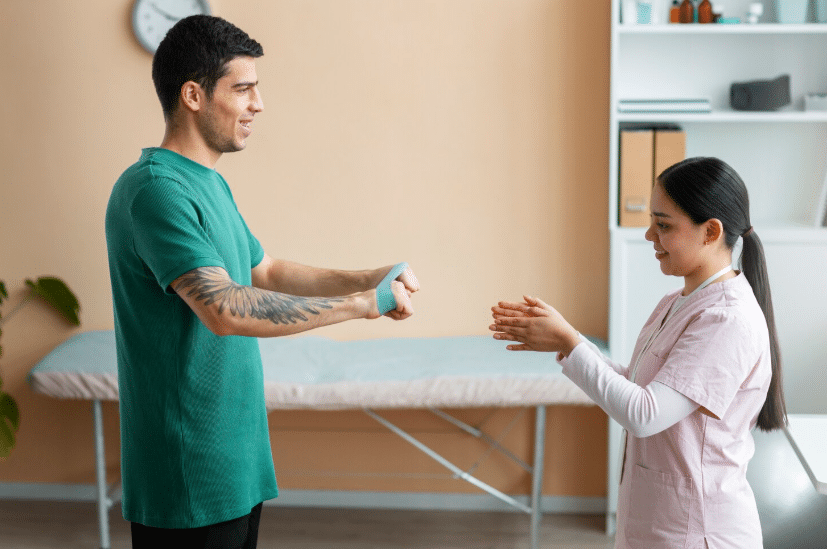
At Body Balance Massage and Float in American Fork, every session begins with an assessment. If you come in with a recent injury, your therapist will ask about the type, timeline, and any care you have already received. That determines which techniques are appropriate for your current phase of healing.
Specialty modalities, including cupping therapy and gua sha, are available as add-ons to any session and are frequently used for injury recovery work. Members receive these at no additional cost per session. First-time clients receive 35% off their first massage. Book your session online or review our massage and float therapy membership options.
Book online at bbmassageandfloat.com/booking or call (801) 855-5834. Open Monday through Saturday, 9 AM to 10 PM.
Frequently Asked Questions
Q: Can I get a massage the day after a sports injury? A: For most soft tissue injuries, direct massage on the injured area should wait at least 48 to 72 hours. The body is in active inflammation during this window, and manipulation can aggravate it. Light work on the surrounding areas may be appropriate sooner.
Q: What type of massage is best after a muscle strain? A: During the subacute phase (days four to 21), sports massage and therapeutic massage targeting the surrounding tissue are most appropriate. Deep tissue work and gua sha become more useful once inflammation has resolved and scar tissue is beginning to form.
Q: How many sessions do I need to recover from an injury? A: Minor soft tissue injuries often respond in two to four sessions. More significant injuries with scar tissue or restricted range of motion typically require longer-term work. Your therapist at Body Balance will assess you after the first session and give you a realistic expectation.
Q: Is float therapy useful during injury recovery? A: Yes. The buoyancy of open float pools removes gravitational pressure from injured joints and muscles. Magnesium absorption from the Epsom salt solution supports muscle relaxation and reduces inflammation. Many athletes use float therapy regularly between massage sessions for exactly this reason.
Q: Should I tell my massage therapist about a recent injury? A: Always. At Body Balance, therapist intake includes questions about health history, injuries, and goals. Disclosing a recent injury ensures your therapist selects appropriate techniques and avoids doing harm rather than good.
Contact Us
Ready to experience deep relaxation and healing? Reach out to Body Balance Massage and Float today.
Phone Number: (801) 855-5834
Email Address: Clinic@BodyBalanceAF.com
Physical Address: 366 S 500 E Suite B, American Fork, UT 84003
Hours:
- Monday–Saturday: 9:00 AM – 10:00 PM
- Sunday: Closed
DIRECTIONS: We are located just 30 seconds off the freeway in Suite B on the north side of the building. We have a dedicated parking lot, so feel free to park wherever you like and use the front entrance on 500 East. originate within
Related Topics:
You know, we often think of spas as just a way to relax for a few hours, but the benefits go way deeper, especially when it comes to healthy aging. Spending time on spa treatments can actually rejuvenate your body and mind in ways that last beyond the massage table. Massage therapy, for instance, isn’t just nice; it really helps with circulation, eases stress, and can even make you feel a bit more flexible. And if you’re curious, seeking out therapeutic massage therapist sessions regularly can really amplify these effects. Combine that with facials, scrubs, and other treatments, and your whole wellness routine gets a serious boost.
Honestly, it’s kind of like giving your body a little “reset.” Even something as simple as a body wrap or aromatherapy session can make a noticeable difference in how you feel. You start to move more easily, sleep better, and feel well, more alive.
Benefits of Massage Therapy
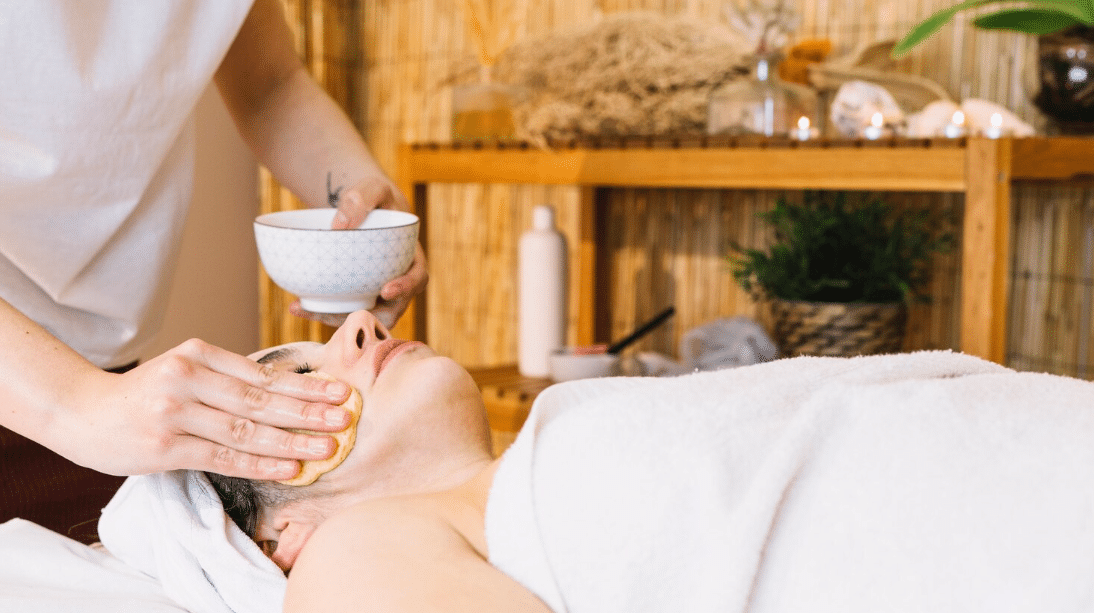
Massage therapy really deserves its spot at the top of the list for anyone thinking about healthy aging. You know that tight, sore feeling you sometimes wake up with? Regular massages help with that. They get your blood flowing better, loosen stiff muscles, and help the body clear out toxins naturally.
But it’s not just about muscles. Massage also gives your mind a break. Those gentle, intentional movements help lower stress levels, calm the nervous system, and give you a real sense of ease. Honestly, after a good session, you might feel like your brain finally hit the “off” switch for a while. That mental calmness can stick with you, which is why consistent massage therapy is actually one of the best things you can do for aging gracefully.
Anti-Aging Facials and Their Benefits
Facials are another spa treatment that doesn’t just feel good; they actively work on keeping your skin looking healthy and vibrant. Anti-aging facials usually include ingredients like vitamin C, peptides, or retinol to tackle wrinkles and fine lines. But it’s more than just chemicals; the process itself, a gentle massage, exfoliation, and lymphatic drainage, really stimulates circulation and helps your skin look refreshed.
And you know, sitting back while someone does this for you is a mini mental vacation. Regular sessions aren’t just about looking younger; they’re about feeling cared for. That confidence boost? It’s subtle, but it definitely matters when it comes to overall wellness.
Importance of Body Scrubs for Skin Health
Body scrubs might seem like a simple luxury, but they actually play an important role in keeping your skin healthy. Scrubbing away dead skin cells helps new ones emerge, which keeps your skin looking bright and fresh.
The process also wakes up your circulation, which is great for nutrient delivery throughout your body. And if the scrub has nourishing oils or natural moisturizers, your skin feels soft and hydrated afterward. It’s small, but these treatments add up to real benefits over time, especially when combined with other spa practices.
Stress Reduction With Aromatherapy Treatments
Aromatherapy is one of those spa treatments that sneaks up on you in a good way. You inhale lavender, chamomile, or eucalyptus, and suddenly your shoulders are a bit less tense. The scents help calm your mind, reduce stress, and create a sense of being “here” in the moment.
I sometimes forget how much tension I’m holding until I leave a session, you know? That’s the magic of aromatherapy; it makes your mental state match the calm your body is feeling. It’s not just relaxing; it can make you more focused, more patient, and even improve your mood over the next few days.
Detoxifying Body Wraps for Wellness
Detox wraps are another way to nudge your body toward wellness. Wrapping yourself up in a warm, nourishing treatment can help with circulation and give your skin a healthy glow.
Some people think it’s just pampering, but it actually can help pull out impurities and hydrate your skin at the same time. It feels good while doing tangible work for your body. And that feeling of refreshment lingers like a gentle reminder to take care of yourself a bit more often.
Holistic Wellness Through Hydrotherapy
Hydrotherapy is where spa treatments really cover the full-body experience. Hot baths, steam rooms, and hydromassage all work together to loosen muscles, improve circulation, and flush out stress.
It’s almost like your body gets a mini spring cleaning each session. Warm water soothes joints, relaxes stiff muscles, and even gives your immune system a little boost. Plus, there’s something about just sitting in a warm bath or steam room that clears your mind; you might even leave with ideas you hadn’t thought of before. Combining this with massages and facials makes for a truly holistic approach to aging well.
Related Topics:
Sometimes, after a long day, it’s hard to fall asleep. You toss, turn, maybe scroll a bit on your phone, and still feel tense. Massage therapy can help with that, you know? Not in some abstract “it’s good for you” way, but in a real, physical sense. The gentle pressure, the way muscles are eased, and even the rhythmic strokes, especially when done by a skilled expert, can make a big difference. In fact, scheduling regular sessions with therapeutic massage services can leave you feeling lighter, calmer, and actually ready to drift off without the usual tossing and turning.
It’s not magic, really. It’s more about how your body responds when it’s treated gently. Muscles relax, tension melts, and your nervous system kind of quiets down. You notice that deep sigh that escapes after a session? That’s your body saying, “Finally, some relief.” And that relief carries over into sleep in a way that’s surprisingly powerful.
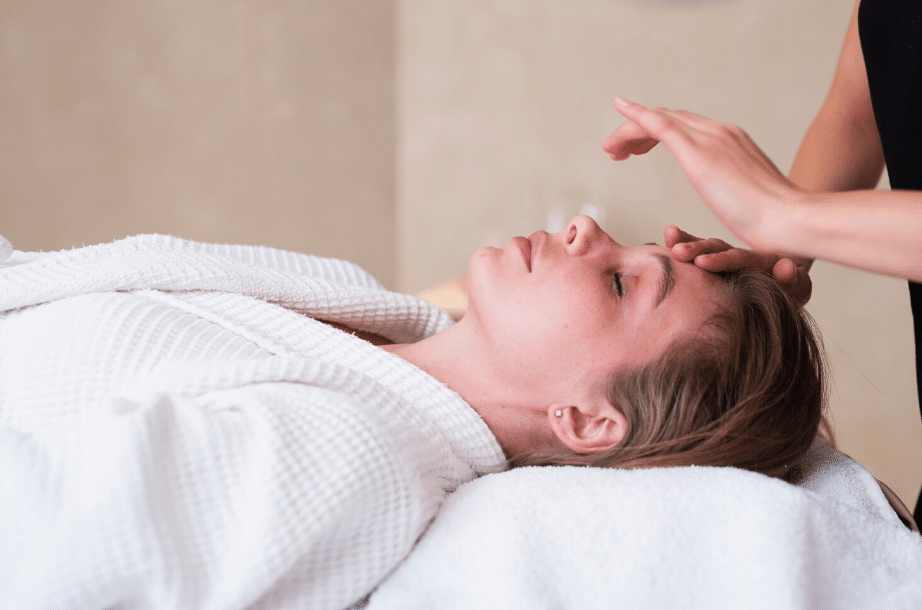
Stress Reduction
Stress is sneaky. Sometimes you don’t even realize your shoulders are tight until someone touches them. Massage therapy tackles this in a very straightforward way. The hands-on approach works through muscle tension and pressure points, releasing the tight spots that can make you feel restless.
When those areas loosen up, the body’s relaxation response kicks in. Your mind starts slowing down, cortisol levels drop, and the “feel-good” hormones like serotonin sneak in. You can almost feel it a bit lighter in the chest, a little easier to breathe. Even small sessions can have this effect, leaving you calmer by the end of the day.
Muscle Tension Relief
Tense muscles don’t just make movement uncomfortable; they make your sleep restless, too. Massage works directly on those knots and tight areas. For example, after focusing on the shoulders and upper back, you might notice a bit more freedom in movement, almost like your body has been gently untangled.
It’s not instant, but with repeated sessions, muscles stay looser for longer. That means less tossing in bed, fewer aches that wake you, and a more comfortable, cozy sleep. Even your limbs feel lighter, which seems small but actually matters when your body wants to rest fully.
Enhanced Relaxation
There’s something about lying down, a warm room, soft music, and a therapist working methodically on your muscles that works. It’s not just physical; it’s mental. Your thoughts start slowing down. Maybe you think about errands or that email you forgot, but it’s easier to let them float away.
The gentle touch triggers relaxation hormones and calms your nervous system. You feel more present, more at ease. And that state of calm doesn’t just vanish when you leave it; often, it lingers, helping your mind settle when you finally climb into bed.
Improved Circulation
Massage also gets your blood moving in ways you might not notice immediately but are very real. When circulation improves, oxygen and nutrients reach muscles and organs more efficiently. You might notice warmth in your hands or feet afterward, or just an overall lightness.
Better circulation also helps flush out the stuff your body doesn’t need, which can prevent that “heavy, restless” feeling you sometimes have at night. With repeated sessions, the body adapts, and your circulation stays better, which quietly supports deeper, more restful sleep.
Sleep Quality Boost
It’s amazing how much your sleep can change with regular massage. When stress is lower, muscles are loose, and your body feels calm, falling asleep becomes natural rather than a struggle. Some people even notice they wake up less in the night or feel more refreshed in the morning.
The combination of relaxed muscles, a slowed mind, and balanced hormones sets the stage for real rest. Add in consistency, like scheduling a massage once a week, and your sleep pattern can genuinely improve over time. You might even catch yourself looking forward to bedtime, which feels strange if you’re used to struggling with it.
Overall Well-being Benefits
Good sleep is just the beginning. Massage therapy subtly impacts how you feel during the day, too. When your body is relaxed, your mood tends to lift. You feel less irritable, more patient, and sometimes even energized in a calm, steady way.
It’s funny how these small physical adjustments, looser shoulders, and easier breathing can ripple out into daily life. With better sleep comes better focus, less tension, and just a smoother day overall. Incorporating massage into your routine isn’t just pampering; it’s a practical way to take care of yourself, body and mind alike.
Related Topics:
When you think of a massage, you can picture one pair of hands working out tension. But in a four-hand massage, two therapists move in sync, like a dance, and it really changes the experience. The combination of synchronized strokes can feel intense, in a good way, and it helps relax muscles more than a usual massage. If you're curious, American Fork's local massage therapist can explain how this technique works and why people swear by it. It's overwhelming at first, but in a relaxing way, and it's supposed to help with stress, flexibility, and circulation.
The thing about four-hand massage is that your brain has to follow two sets of movements at once. It's weirdly distracting in a calming way. You get lost in the sensations, and your body melts into the table. People say it's a completely different level from a regular massage.
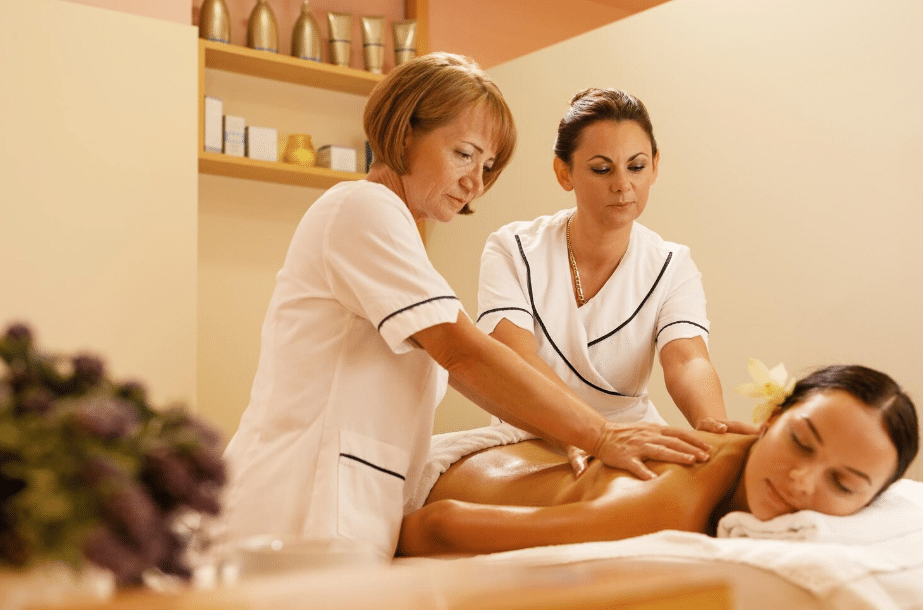
Origins of Four-Hand Massage
Four-hand massage actually has roots in ancient Ayurvedic medicine. Yeah, it's been around for centuries, mostly in India. Back then, it was used to balance the body's energies and provide deeper relaxation. The idea was that two people working in perfect harmony could create a more immersive healing experience.
Over time, this method traveled around the world and caught on in spas everywhere. Now it's popular not just for its calming effects, but also because it feels so luxurious. And there's something magical about the rhythm of two people moving together; it's really noticeable if you pay attention.
How Four-Hand Massage Works
So how does it actually work? Well, the key is coordination. Two therapists mirror each other's movements, covering different parts of your body at the same time. It feels like your whole body is being massaged at once.
The pressure is distributed evenly, which is nice, because no one area is overworked. You might notice that your back and shoulders are worked on together, which doesn't usually happen in a standard massage. Therapists also communicate quietly to make sure nothing feels off, and they can adjust techniques on the fly. The whole thing is meant to be seamless, but sometimes it's fun noticing tiny differences between the two sets of hands.
Benefits of Four-Hand Massage
The benefits? Oh, there are a bunch. First off, it's extremely relaxing. Like, your brain can't keep up with all the sensations, so it just shuts down for a while. Muscle tension starts to loosen, circulation improves, and honestly, it feels like the stress rolls off you.
People who get these massages often say it helps with chronic pain, flexibility, and even sleep. It's also supposed to help anxiety because you're completely enveloped in this dual experience. You end up feeling lighter, calmer, and more energized than after a regular massage. It's the kind of thing that sticks with you for hours or maybe even days.
Techniques Used in Four-Hand Massage
Therapists use a few key techniques during a four-hand session. One is the mirror technique, where they literally mirror each other's moves. It creates symmetry that feels oddly satisfying. Cross-body strokes are also common, with long, flowing motions across your body.
Then there's pressure point activation, which targets areas that need a bit more attention. Both therapists hit the points simultaneously, which is weirdly effective. They also keep a rhythm throughout, like a slow dance you're lying down for. It's the rhythm that makes the whole experience feel connected and immersive.
Difference Between Four-Hand and Two-Hand Massage
Compared to a regular two-hand massage, a four-hand massage is a whole different vibe. The big difference is intensity. Your brain is processing double the sensations, which makes you relax even deeper.
Coverage is another factor. More areas get attention at the same time, and the synchronized rhythm of the therapists gives the massage a flow you don't get with one therapist. You feel surrounded by care, and it's surreal at first. You notice things you didn't even know were tense.
Tips for Getting the Most Out of Your Four-Hand Massage
To get the most from it, communication is key. Let your therapists know about pressure preferences, areas that are tense, and what you hope to get out of the session.
Don't hesitate to speak up mid-session. The therapists can adjust instantly, and it makes a huge difference. Just relax, breathe, and try to enjoy the rhythm. And honestly, a little patience helps you might feel a bit disoriented at first, but that's the point. By the end, you'll feel like your body and mind just got a reset.
Related Topics:
We often think of spa treatments as just a way to relax on the weekend, but they can actually make a noticeable difference at work too. Sitting at a desk all day can leave you tense, foggy, and just drained. Getting regular spa treatments can help with that, and I’ve noticed when people take that time for themselves, their focus actually improves. Plus, talking with an expert in soothing massage services while getting a massage gives you a little mental reset, which sounds simple but really works.
It’s not just the body that benefits. Your mind feels lighter, and suddenly decisions that used to take forever feel easier. I mean, it’s kind of like your brain had been stuck in traffic and finally got an open lane.

Stress Reduction Benefits
Stress at work can sneak up on you, right? One minute you’re fine, and the next, your shoulders feel glued to your ears. Spa treatments, massages, facials, and even a bit of aromatherapy help melt that tension away. It’s not magic, just the body relaxing in a way that makes it easier to think clearly. And honestly, sometimes just knowing you’ve set aside time for yourself can cut stress in half.
Even a short session can shift your mindset. You walk back to your desk a bit lighter, maybe smiling at things you’d normally frown at. That little boost can make a surprisingly big difference in productivity, especially over time.
Improved Mental Clarity
After a spa session, there’s this weird clarity that shows up. Tasks that felt tricky before suddenly seem manageable. You might notice ideas coming faster or your attention staying sharper. Honestly, it’s like hitting a mental refresh button.
I recall details more easily, which helps when deadlines are looming. And it’s not just memory, problem-solving feels smoother too. You can think a little better when you’ve shaken off the stress physically.
Enhanced Employee Morale
Here’s the thing: when employees get a chance to relax and feel cared for, morale actually rises. People start looking at work a bit differently. It’s not just about pampering; it’s about feeling valued, which translates to better teamwork. A shared spa day, or even just offering spa benefits, can lighten the mood across the office.
Everyone talks more, laughs more, and you notice fewer tense moments. Small gestures like this have a surprisingly big impact on collaboration, even if no one says it outright.
Physical Health Benefits
It’s easy to forget that tension isn’t just mental. Tight shoulders, sore backs, and headaches all make work harder. Spa treatments help with those little aches before they turn into bigger issues. Massage, hydrotherapy, or reflexology can improve circulation, ease muscles, and get you moving without pain.
I’ve seen coworkers come back from sessions walking a bit taller, sitting straighter, and even breathing a little deeper. It sounds simple, but those small changes can make a big difference over a long day at the office.
Team Building Opportunities
Okay, this one’s fun. Doing spa activities together, like group massages or facials, gives coworkers a chance to bond outside of meetings and emails. There’s something about shared relaxation that opens people up. You get casual conversations, laughter, and a feeling that “we’re in this together,” which somehow carries back to the office.
It’s not forced. People connect more naturally when they’re relaxed. And when trust improves, so does teamwork, which is really what we’re aiming for.
Increased Focus and Creativity
Finally, there’s this side effect that’s unexpected: creativity spikes. Stress clouds thinking, but a relaxed mind finds solutions more easily. After a spa day, you might find yourself brainstorming ideas or thinking about problems in ways you hadn’t before. Even small sessions help you see things differently, which is huge when your job requires innovation.
Taking time for spa treatments is like investing in your brain and body at the same time. Less stress, more clarity, better focus, plus a happier office overall. It’s worth trying, even if just for a short session each week.
Related Topics: